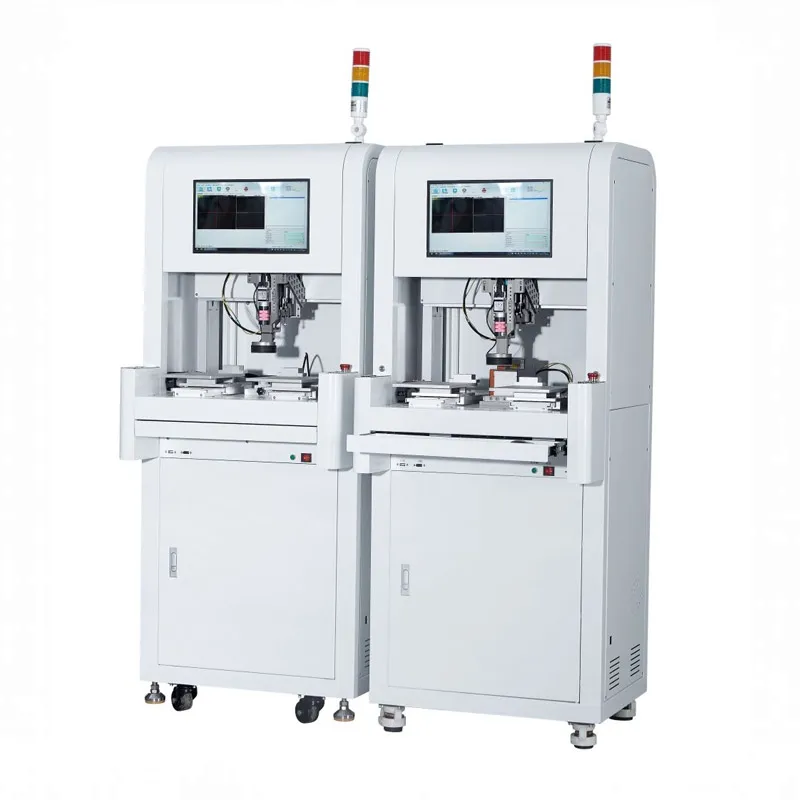
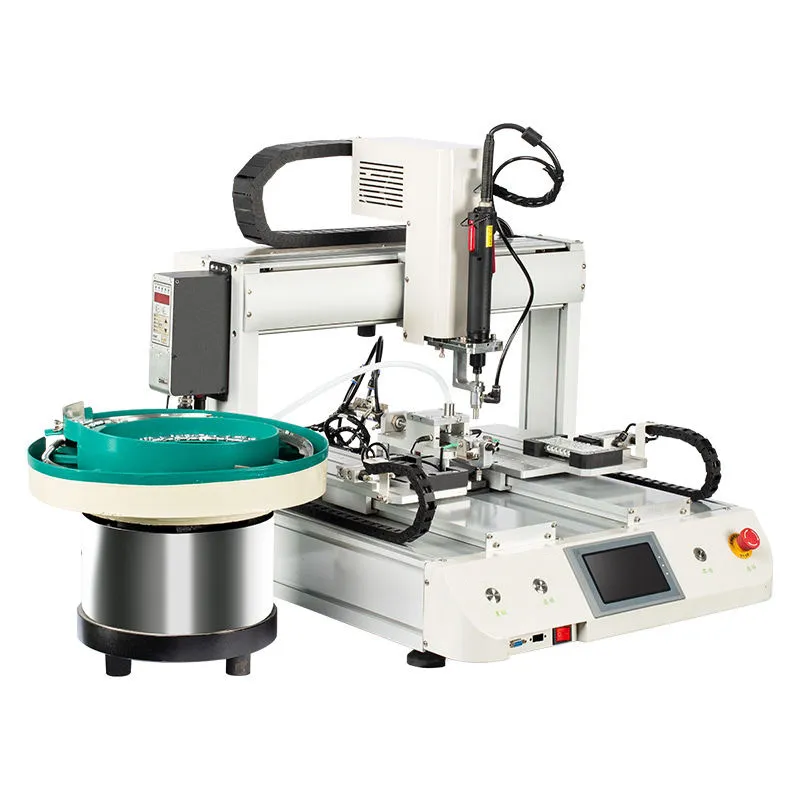
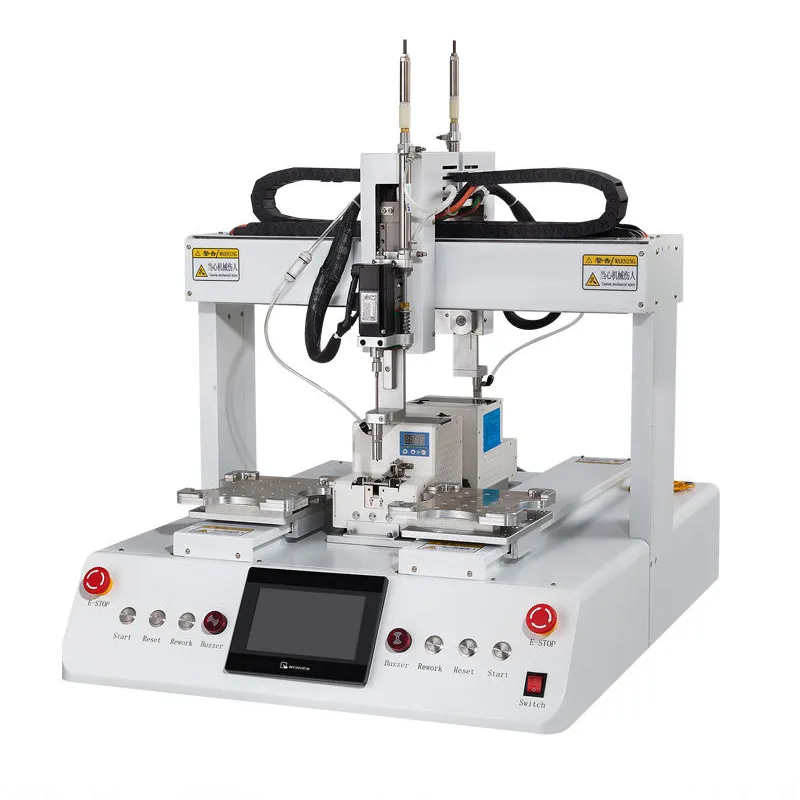
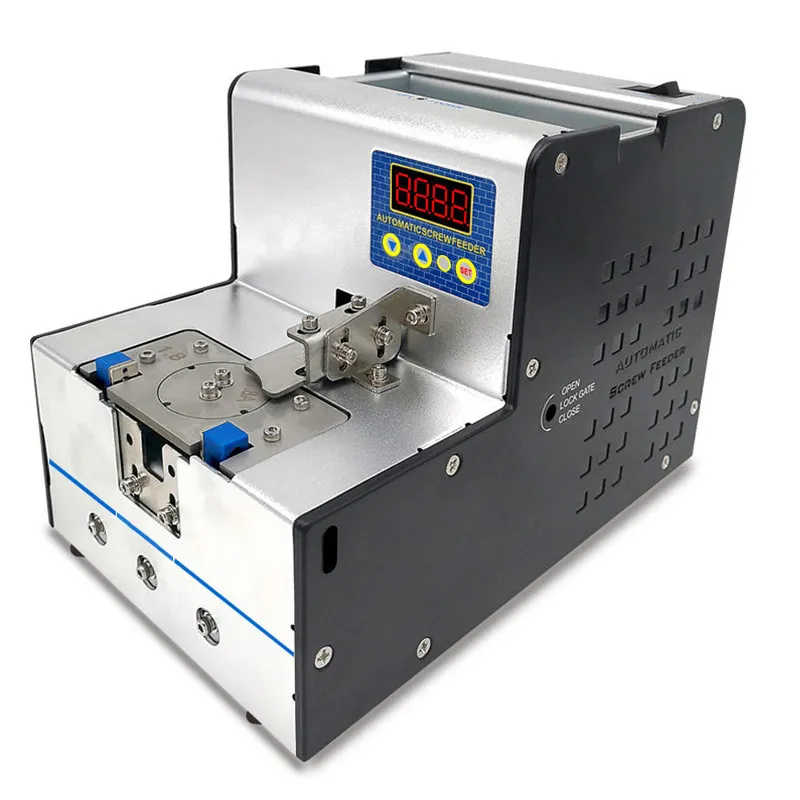
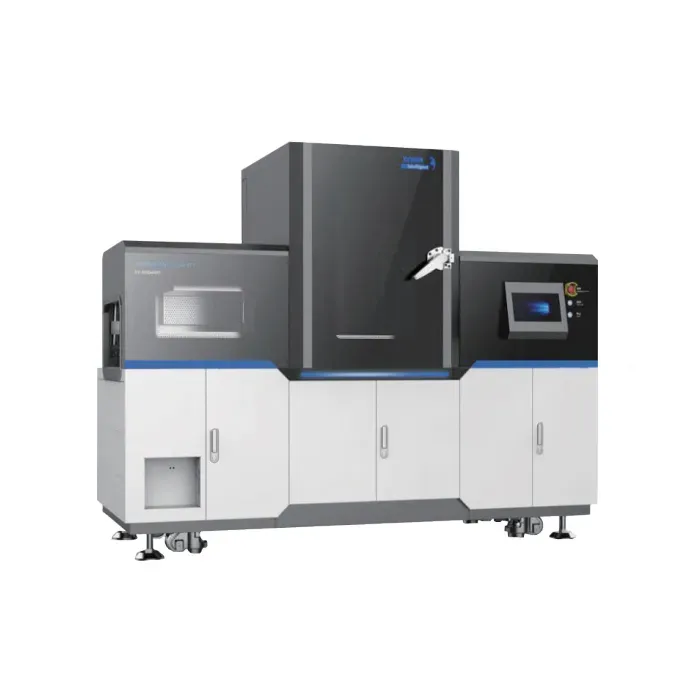
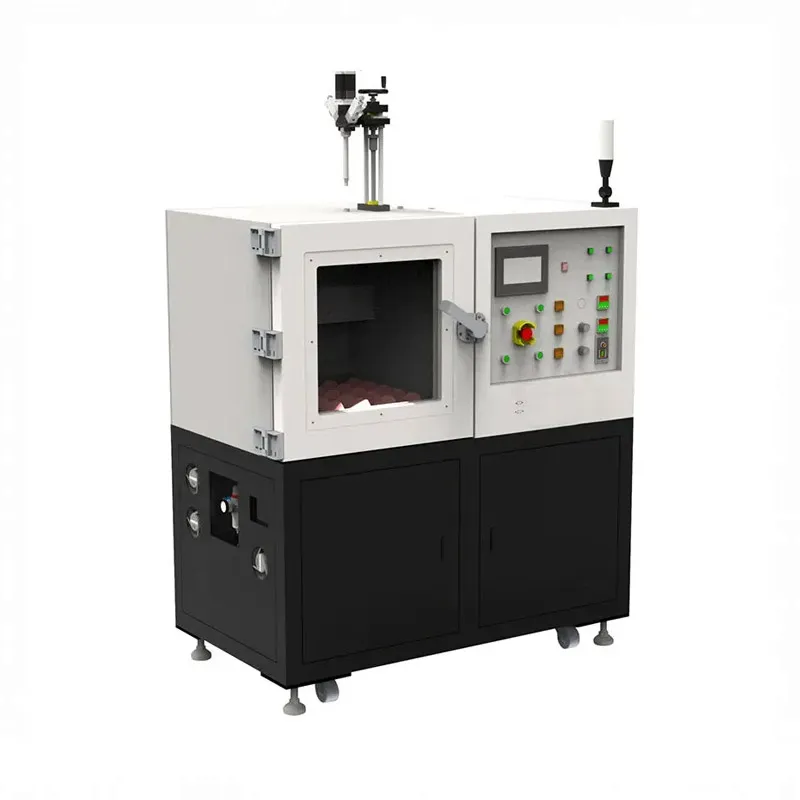
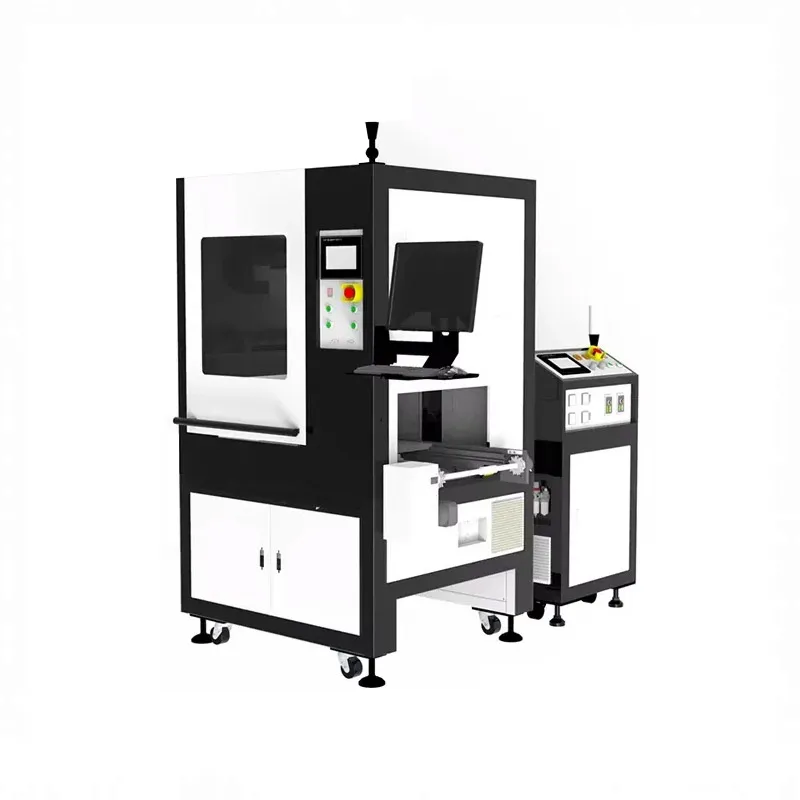
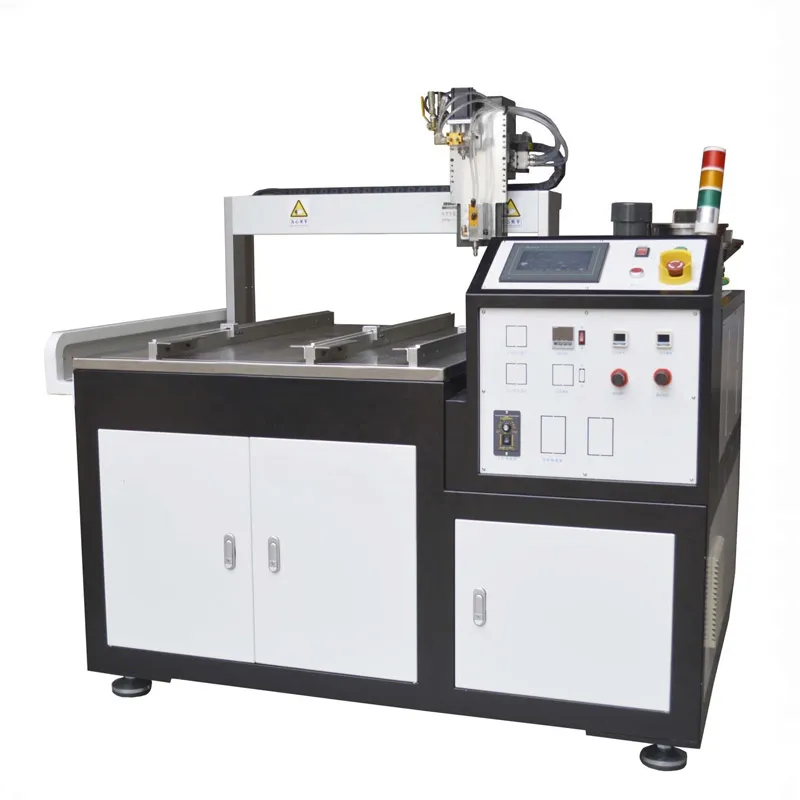
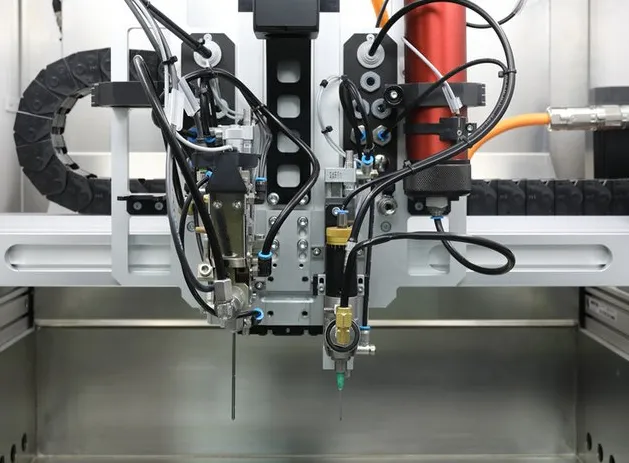
Glue dispensing systems are precision equipment used in electronics, automotive, packaging, medical, and LED industries to accurately apply various adhesives. They are classified by automation level (manual, semi-automatic, robotic), dispensing technology (contact time-pressure, positive displacement, non-contact jetting, hot melt), mounting type (benchtop, handheld, inline), and compatible adhesives (cyanoacrylate, UV, epoxy, conductive, two-component). Key selection factors include viscosity, precision, speed, and integration needs. In 2026, trends focus on high-speed jetting, AI vision, and eco-friendly micro-dispensing for better efficiency and reduced waste.
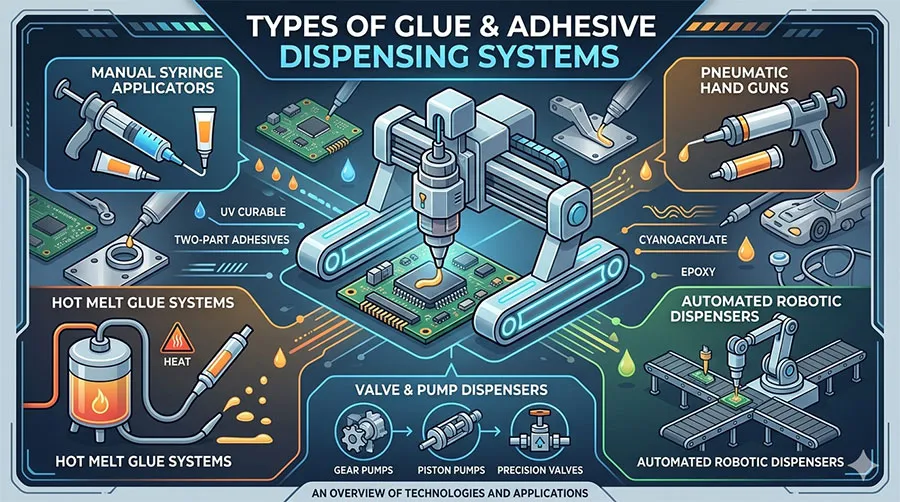
Glue / Adhesive Dispensing Systems are essential precision equipment used in electronics, automotive, packaging, medical devices, LED lighting, and many other industries. They accurately and consistently apply various adhesives to workpieces. With the rise of automation and miniaturization, dispensing systems have evolved from basic manual tools to high-speed non-contact jetting and fully robotic integrated solutions.
This comprehensive guide classifies dispensing systems from multiple dimensions to help engineers, procurement teams, and production managers make informed selections.
1. Classification by Automation Level
-
Manual Dispensing Systems: Simple and low-cost, ideal for small batches, prototypes, or lab use. Common forms include handheld glue guns, squeeze bottles, and foot-pedal time-pressure dispensers.
Advantages: Easy to operate.
Disadvantages: Poor consistency and repeatability.
-
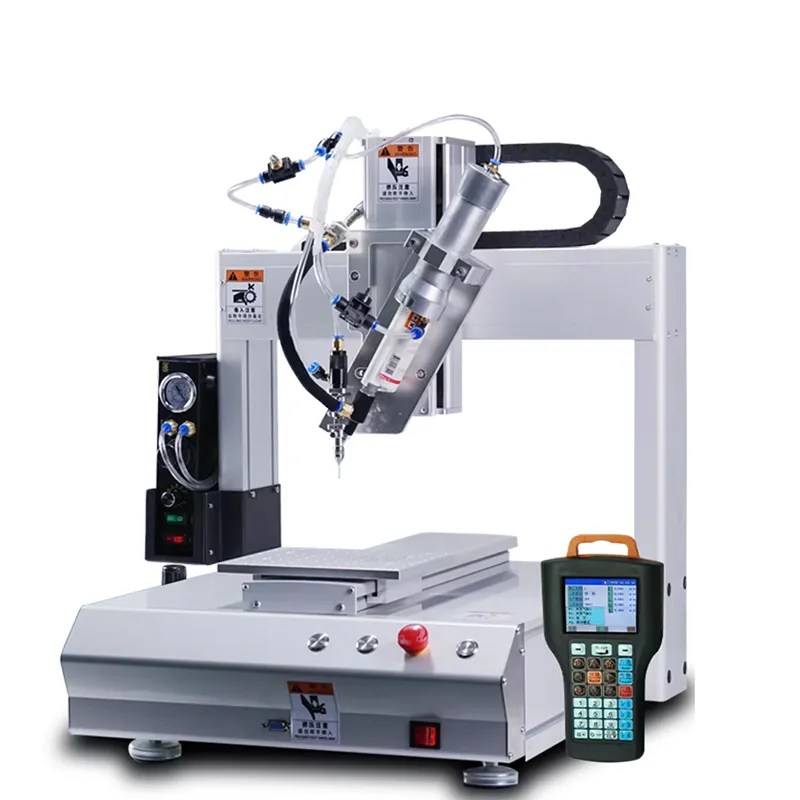
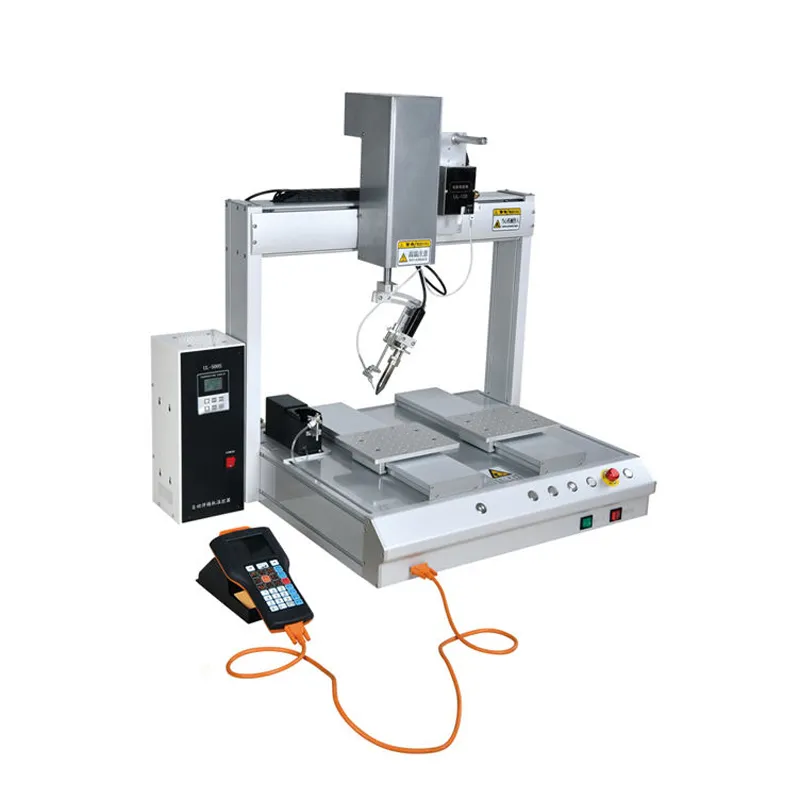
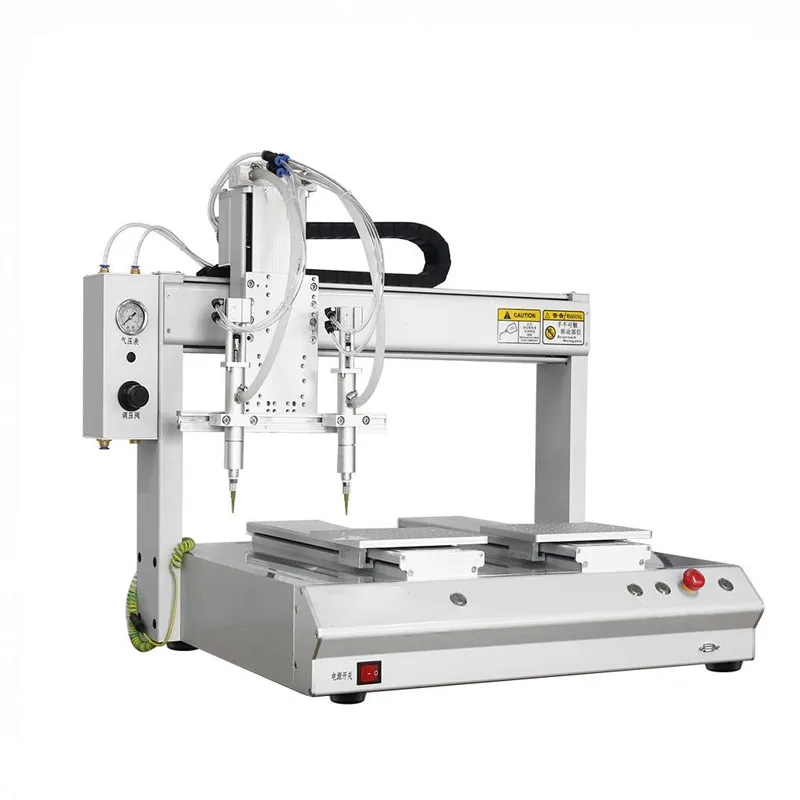
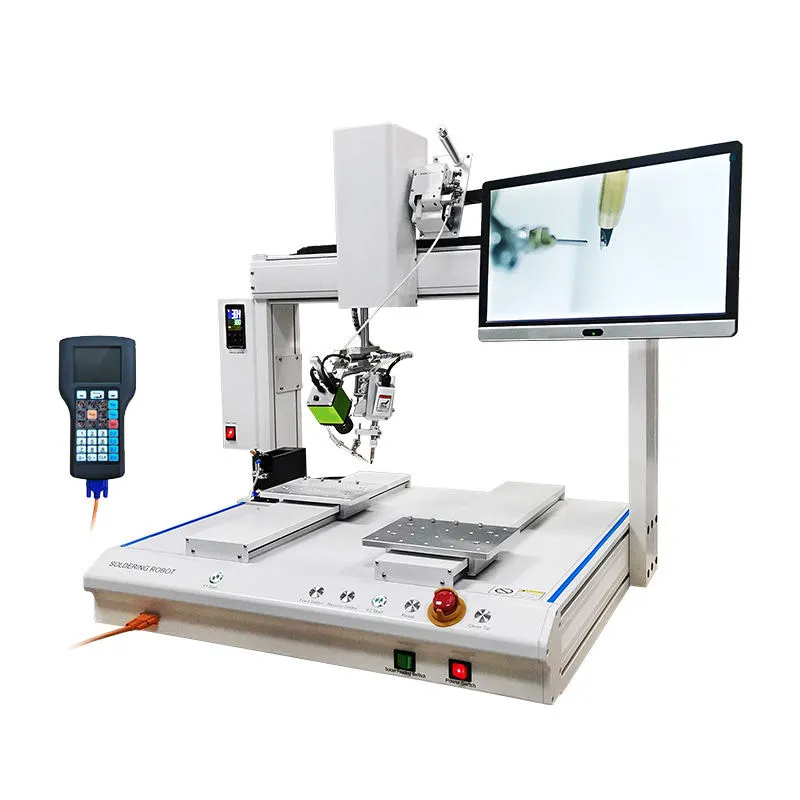
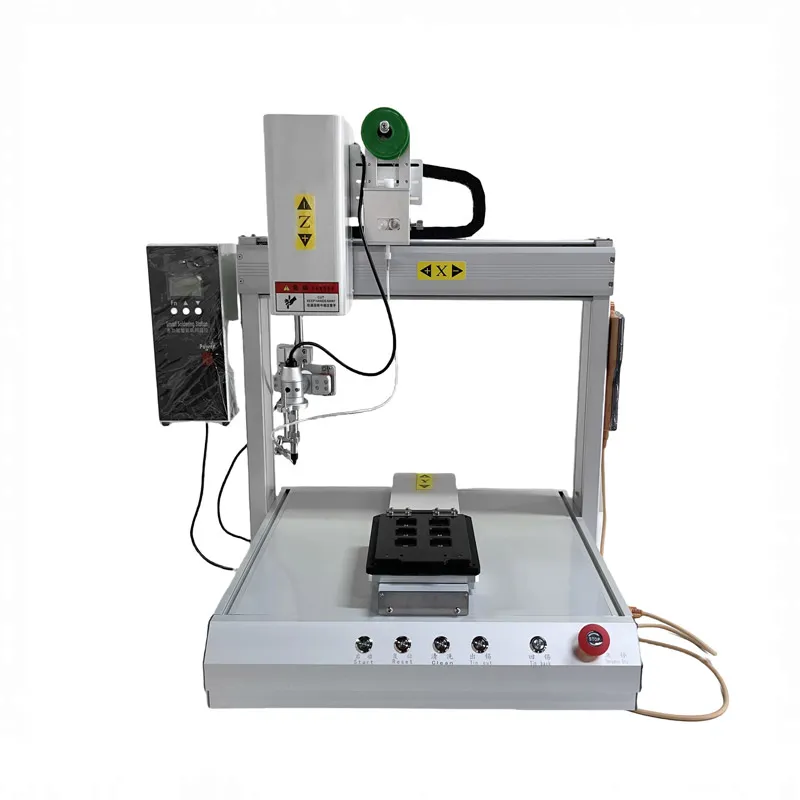
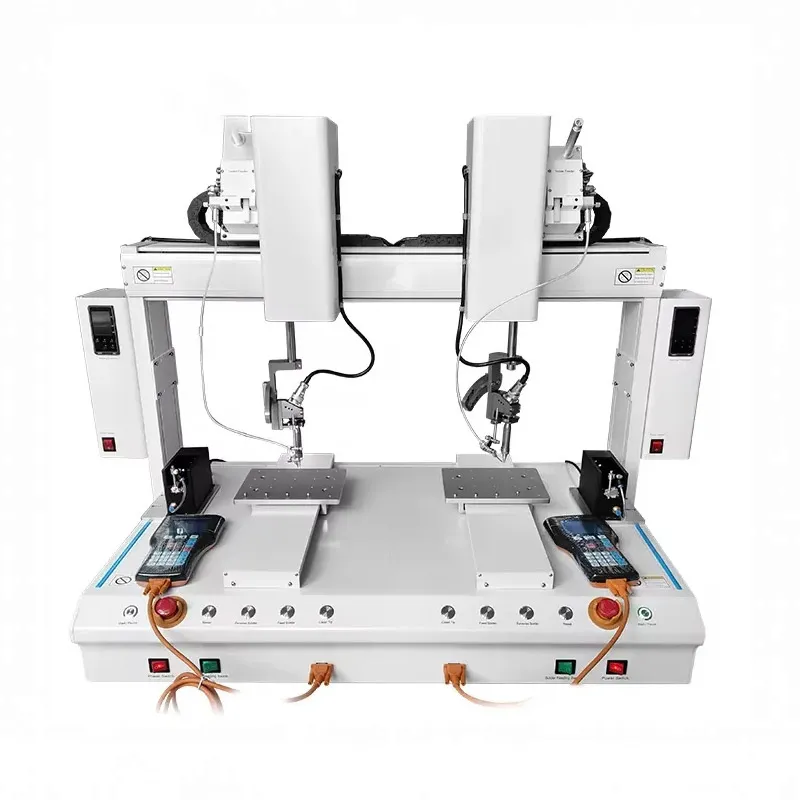
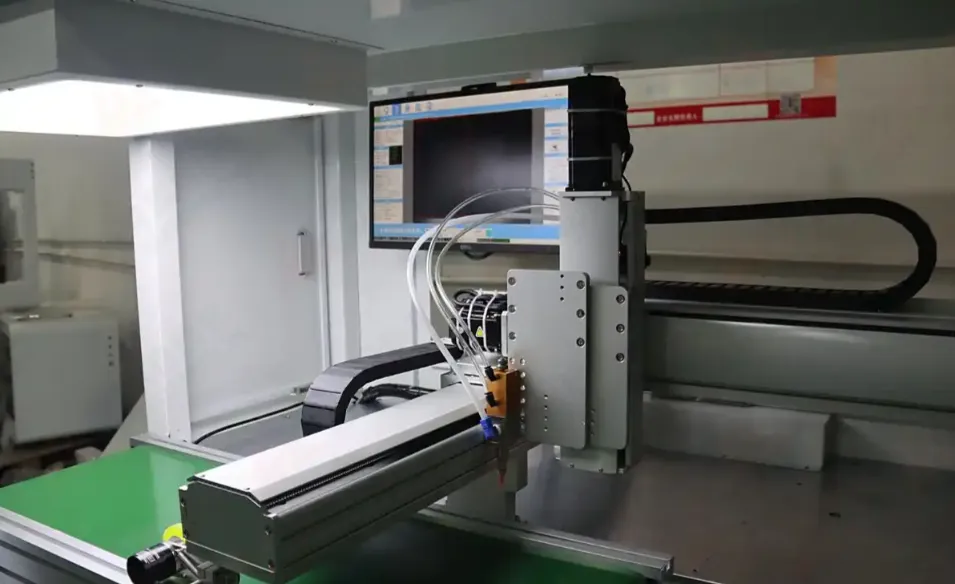
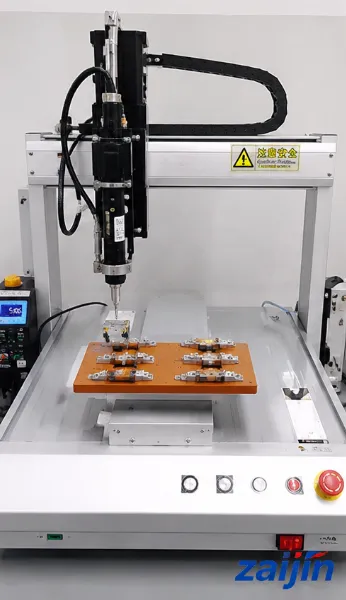
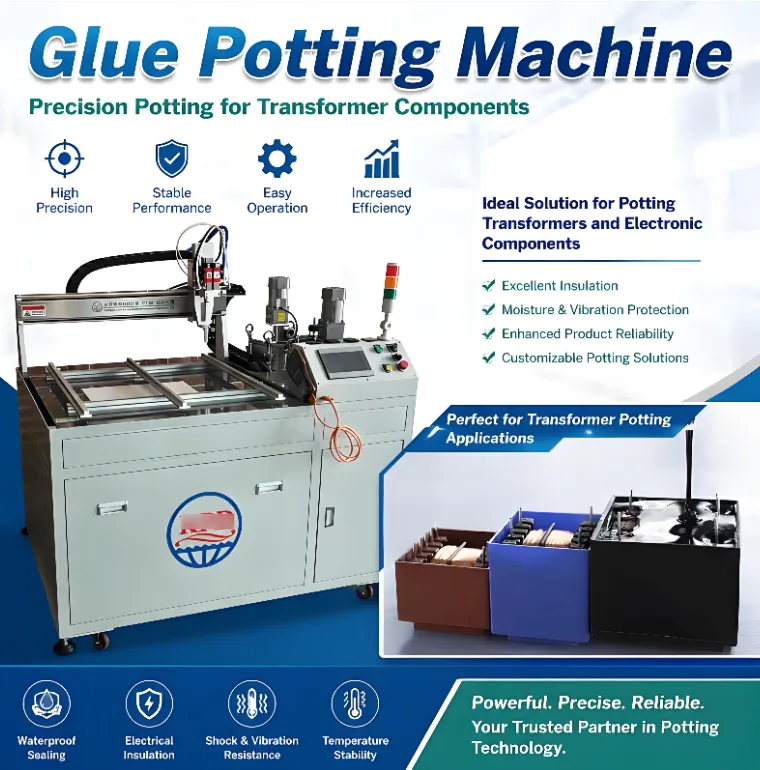
Semi-Automatic Dispensing Systems: Desktop dispensing machines with programmable control for dots, lines, arcs, and patterns. Suitable for medium-volume production.
-
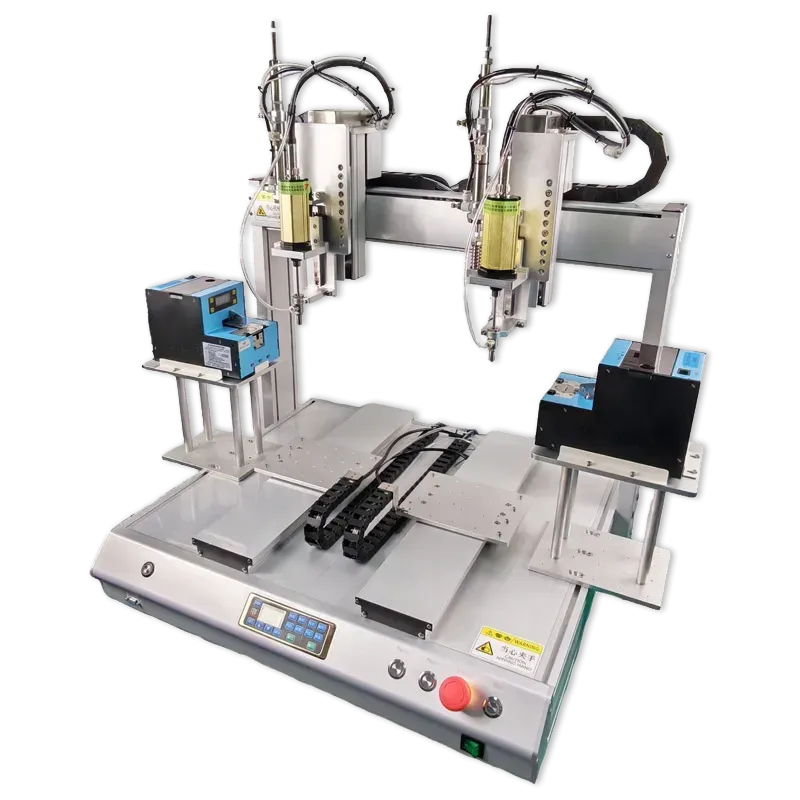
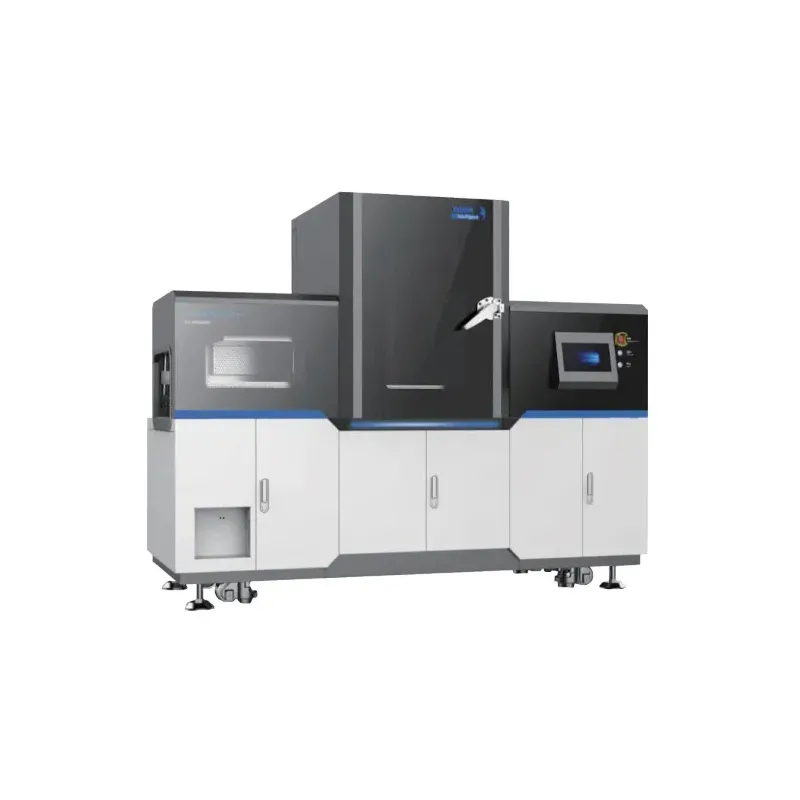
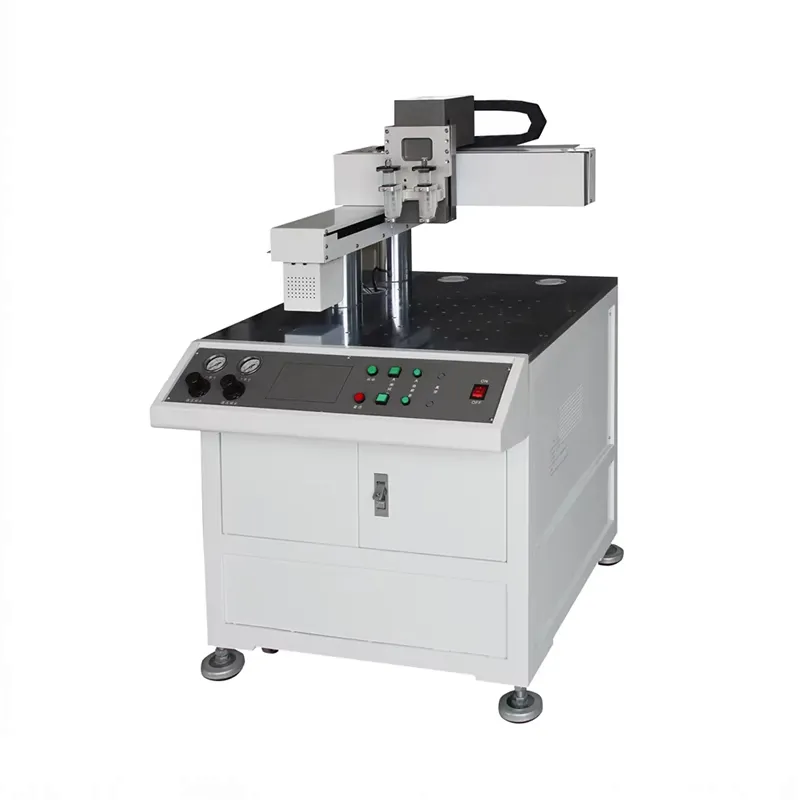
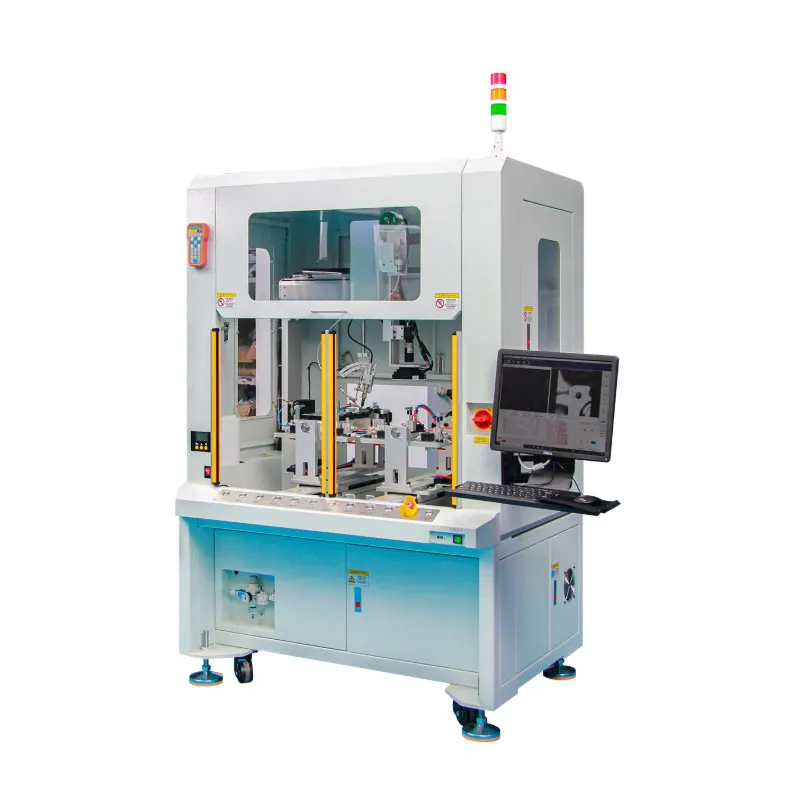
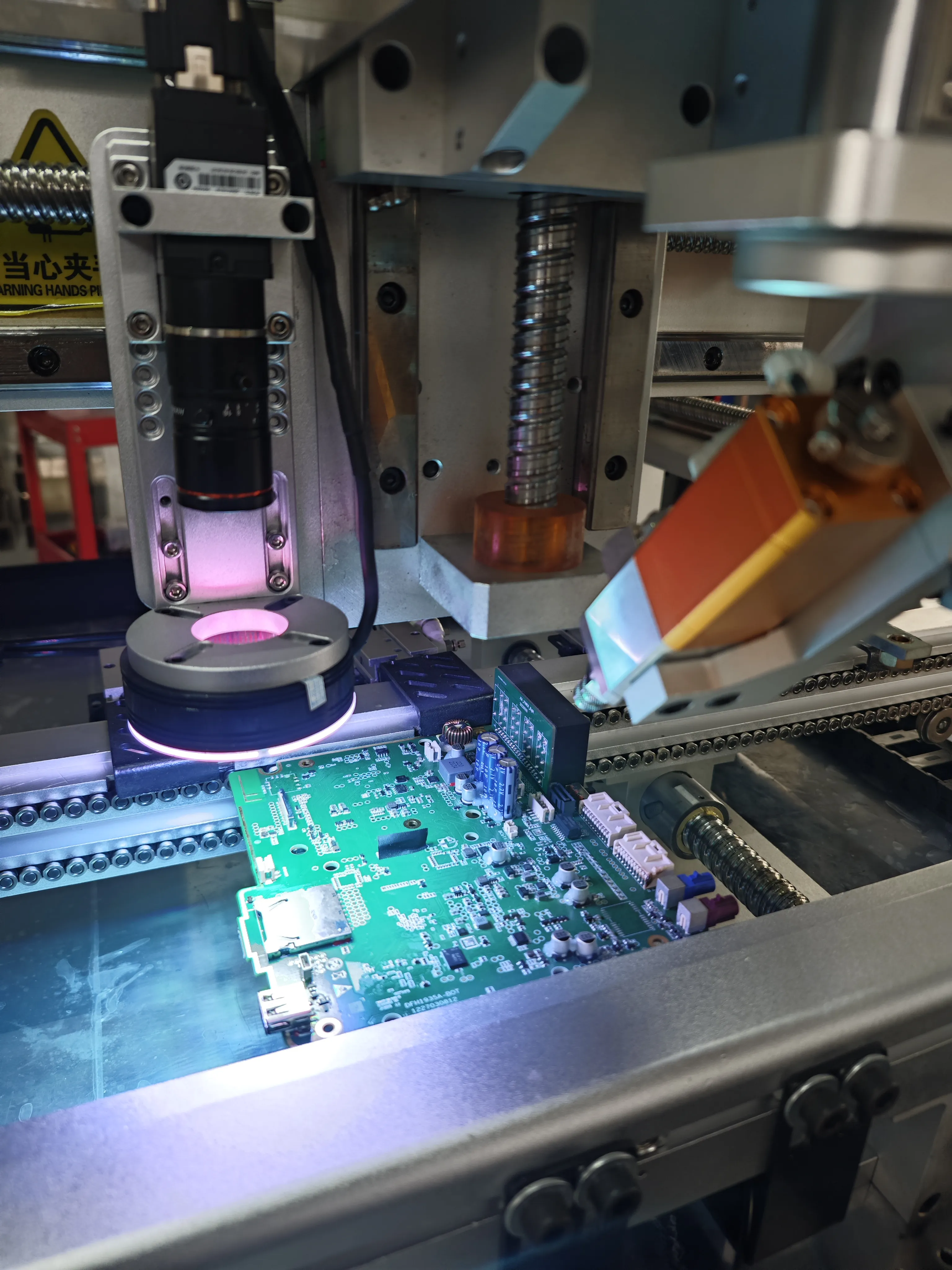
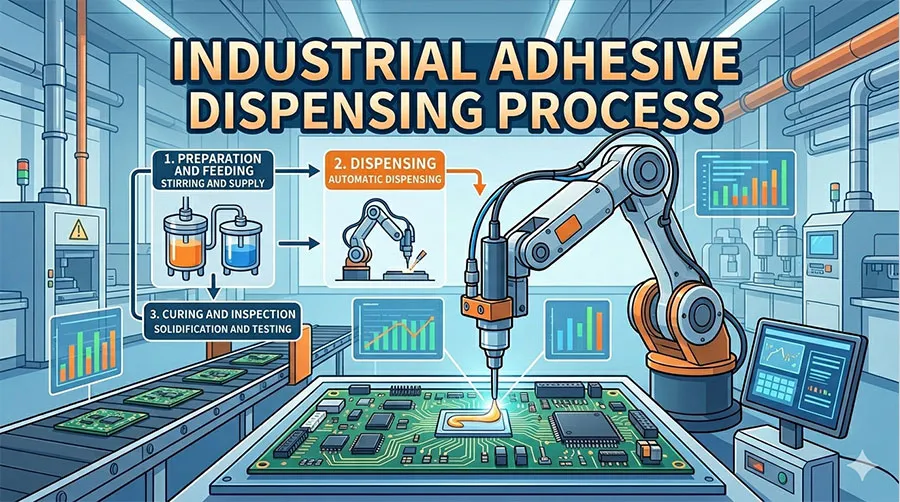
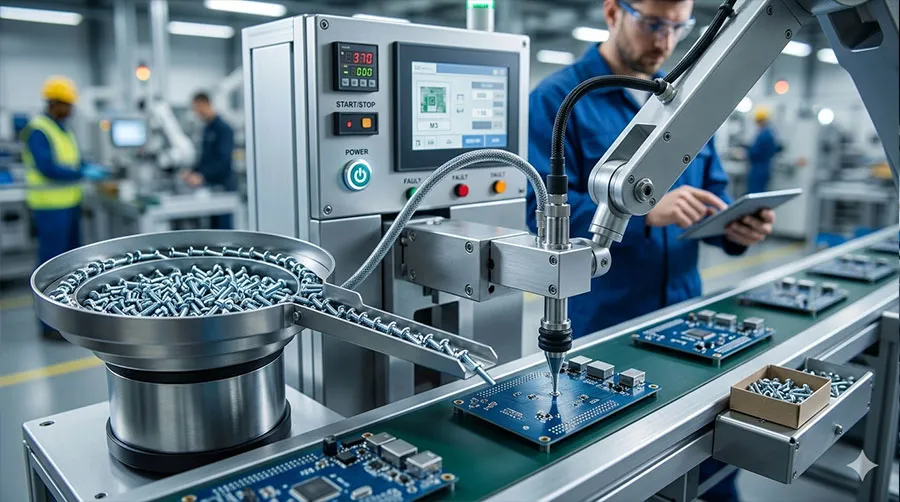
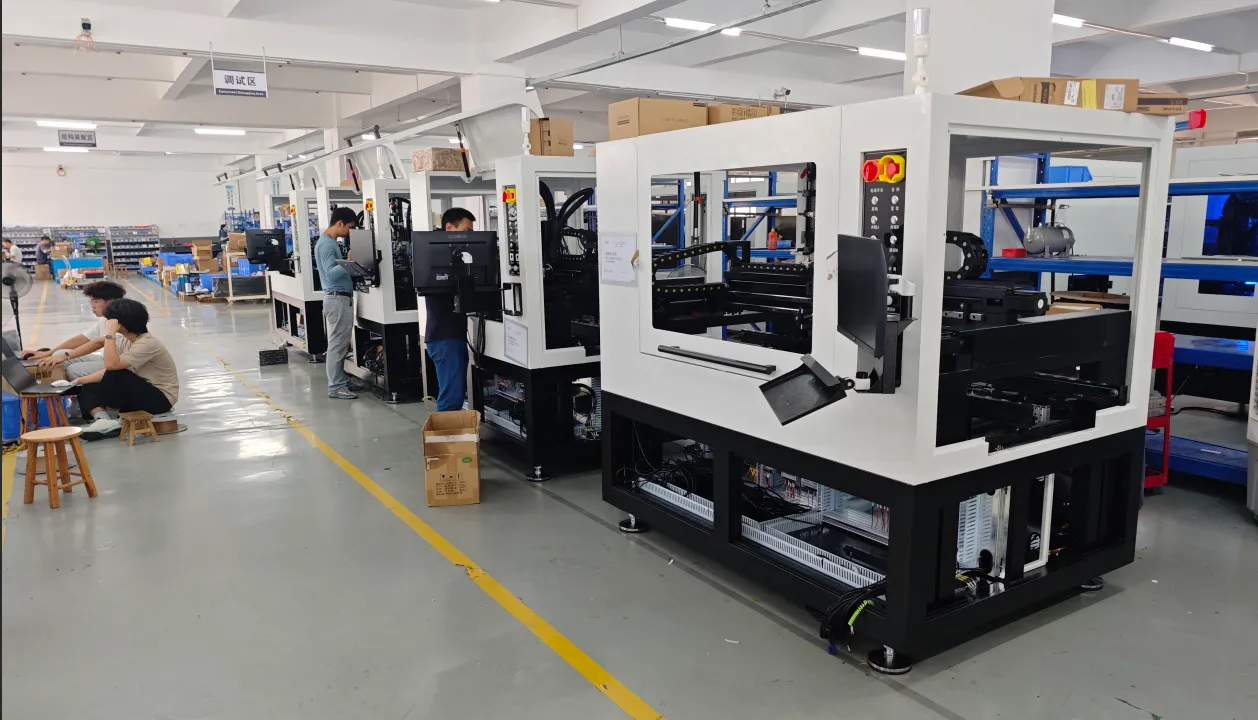
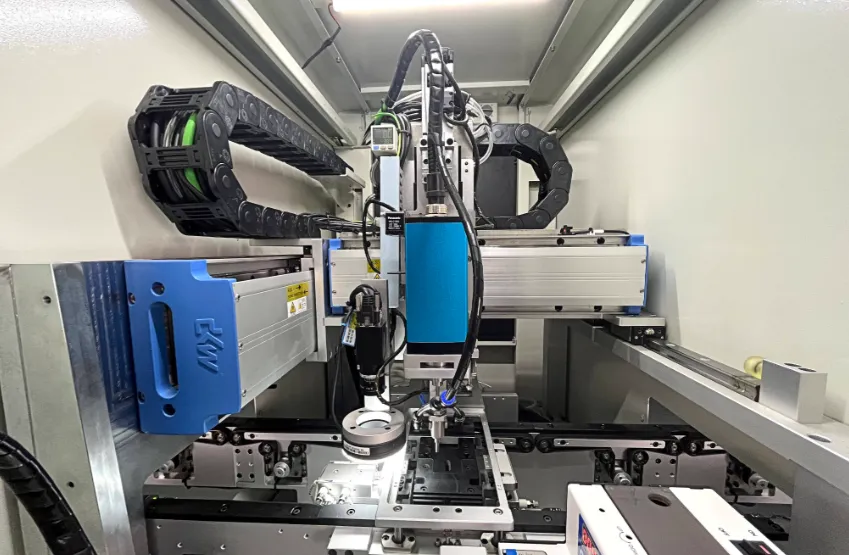
Fully Automatic / Robotic Dispensing Systems: Integrated with XYZ gantry platforms,
SCARA robots, or 6-axis robotic arms. Supports inline production with vision positioning and automatic calibration.
Ideal for high-precision, high-speed mass production (e.g., SMT, automotive parts).
2. Classification by Dispensing Technology / Application Method
This dimension most directly affects precision, speed, and adhesive compatibility:
-
Contact Dispensing: The dispense tip or valve comes very close to or touches the workpiece surface.
-
Time-Pressure Dispensing: Most common and cost-effective. Uses air pressure and time to control volume.
-
Positive Displacement (Volumetric): Uses auger screws, pistons, or gear pumps for precise volume control.
-
Rotary Screw / Auger Valves: Suitable for continuous beads or larger areas.
-
Non-Contact Jet Dispensing: Adhesive is shot at high speed without touching the surface.
Advantages: Faster cycle time, handles uneven surfaces, no contamination.
Disadvantages: Sensitive to viscosity and particle size.
-
Hot Melt Dispensing: Melts solid adhesive and applies it in liquid form. Common in packaging and automotive interiors.
-
Other Technologies:
-
Mix & Meter Dispensing: 2K / AB adhesive systems with precise ratio control.
-
Vacuum Dispensing: Reduces air bubbles.
-
Spray / Rotary Dispensing: For large-area coating.
3. Classification by Mounting / Configuration
-
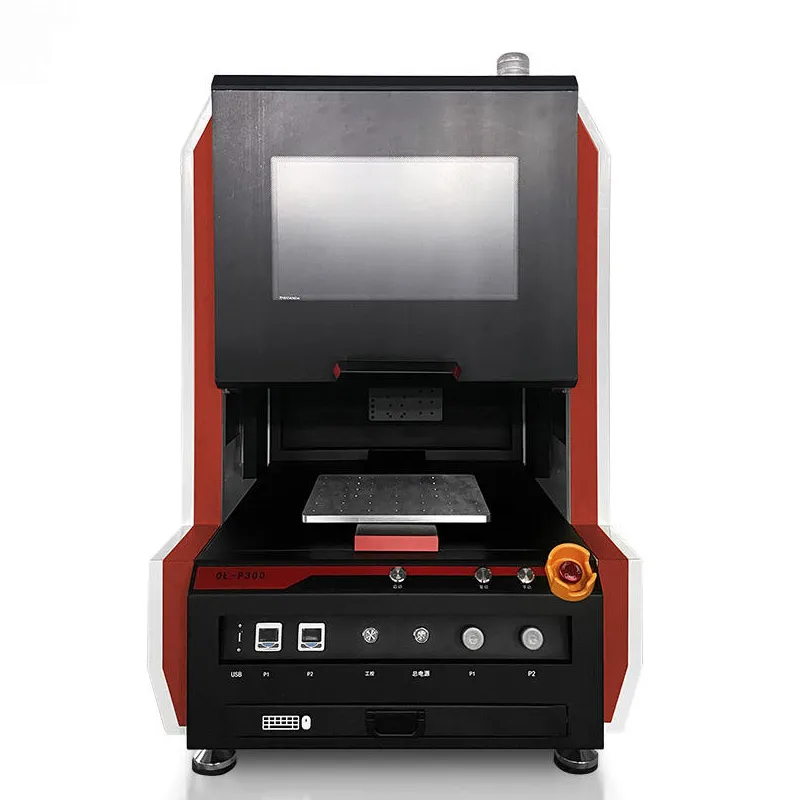
Benchtop / Desktop : Compact for labs or small factories.
-
Handheld: Flexible manual operation.
-
Machine-Mounted
-
Robotic: Mounted on robot arms.
-
Rotary: Multi-station production.
-
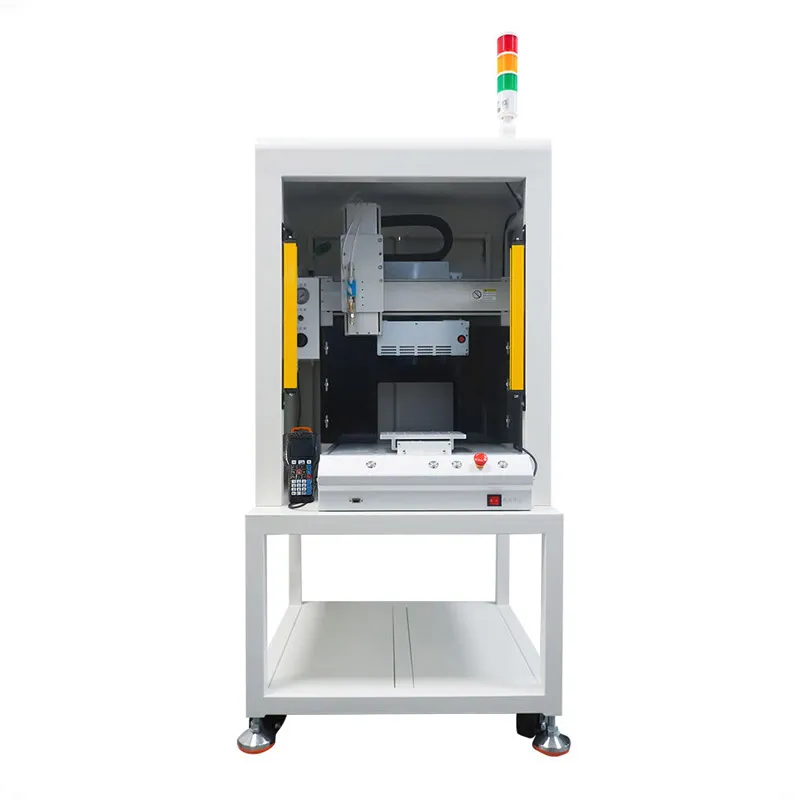
Inline / Integrated : Full production line integration.
4. Classification by Adhesive Type
-
Cyanoacrylate (CA Glue): Low viscosity, fast curing.
-
UV Adhesives: Light-curable, high precision.
-
Epoxy: High strength, may require heating.
-
2K / AB Adhesives: Require mixing systems.
-
Hot Melt: Requires melting equipment.
-
Conductive / Thermal Adhesives: High viscosity with fillers.
Selection Tip: High viscosity → volumetric + heating; micro dispensing → jet or screw valve.
5. Applications
-
Electronics: Jet + robotic systems
-
Automotive: 2K + robotic arms
-
Packaging: Hot melt systems
-
Medical: Precision systems
-
LED: UV adhesive systems
6. Selection Checklist
-
Adhesive viscosity and type
-
Dispensing accuracy requirements
-
Production speed
-
Workpiece structure
-
Environment requirements
-
System integration
-
Maintenance cost
-
Brand reference: XinHua, Nordson, LOCTITE, Musashi, Techcon