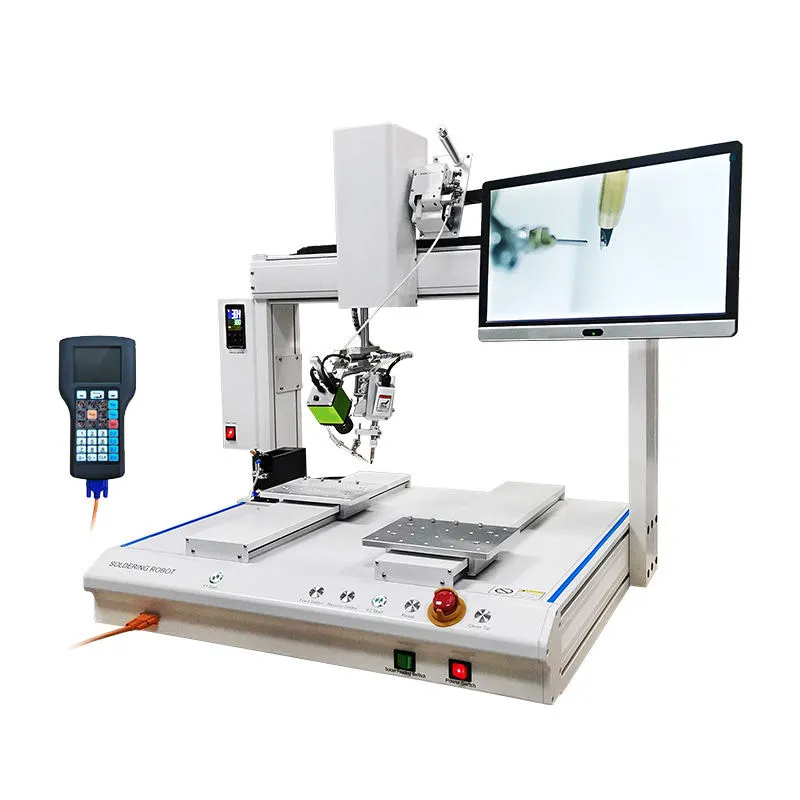
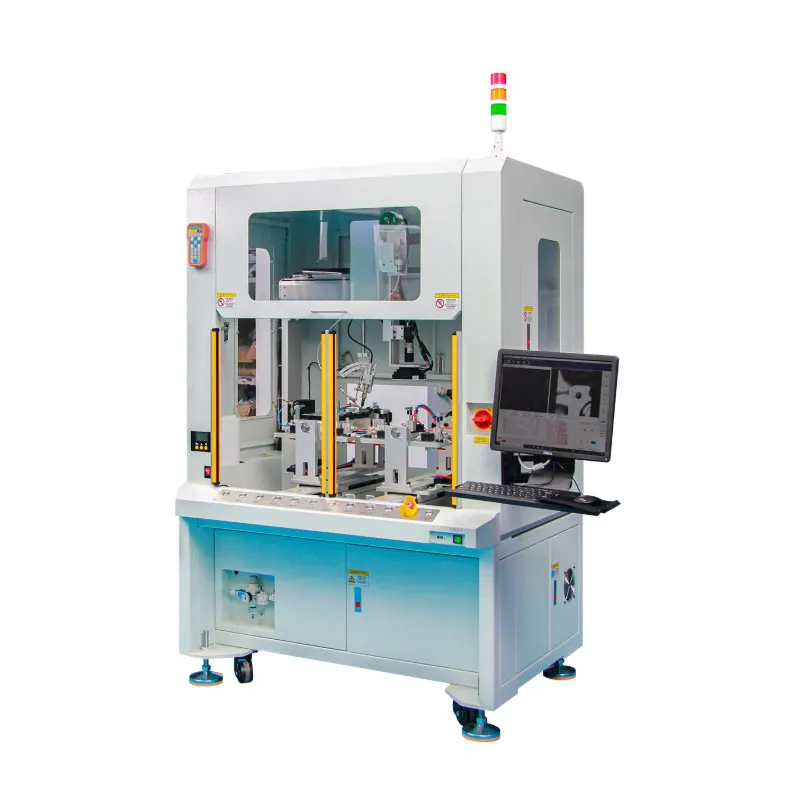
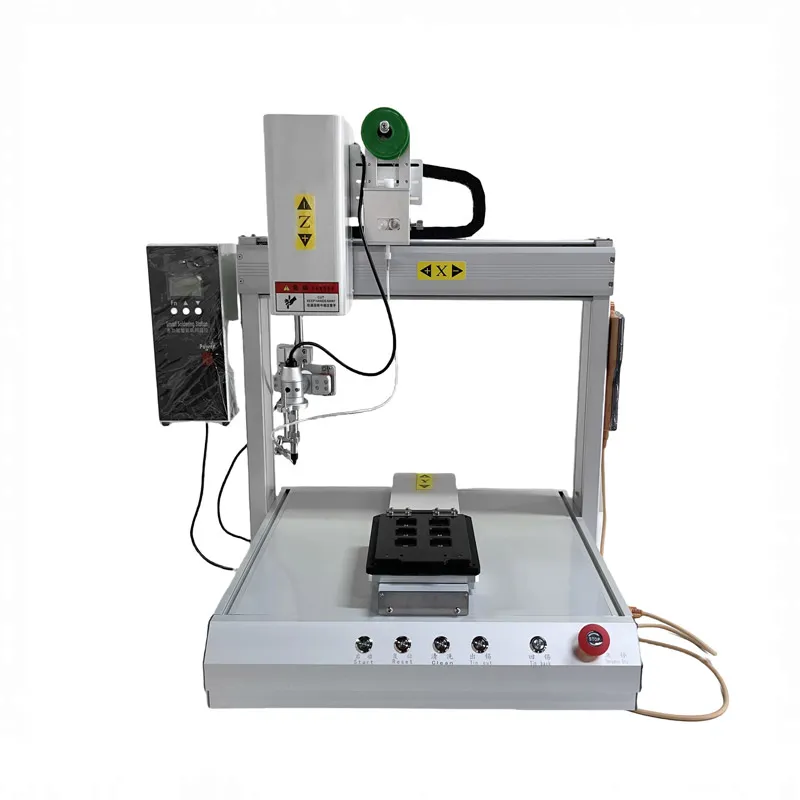
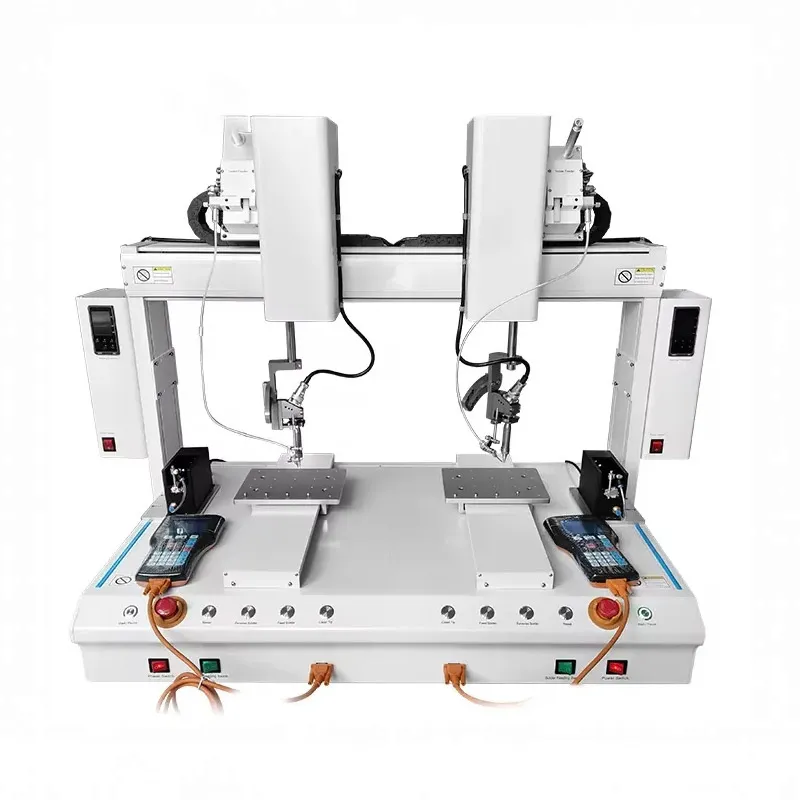
One-stop Automation Glue Dispensing · Screw Locking · Glue Potting · Soldering Solution Provider
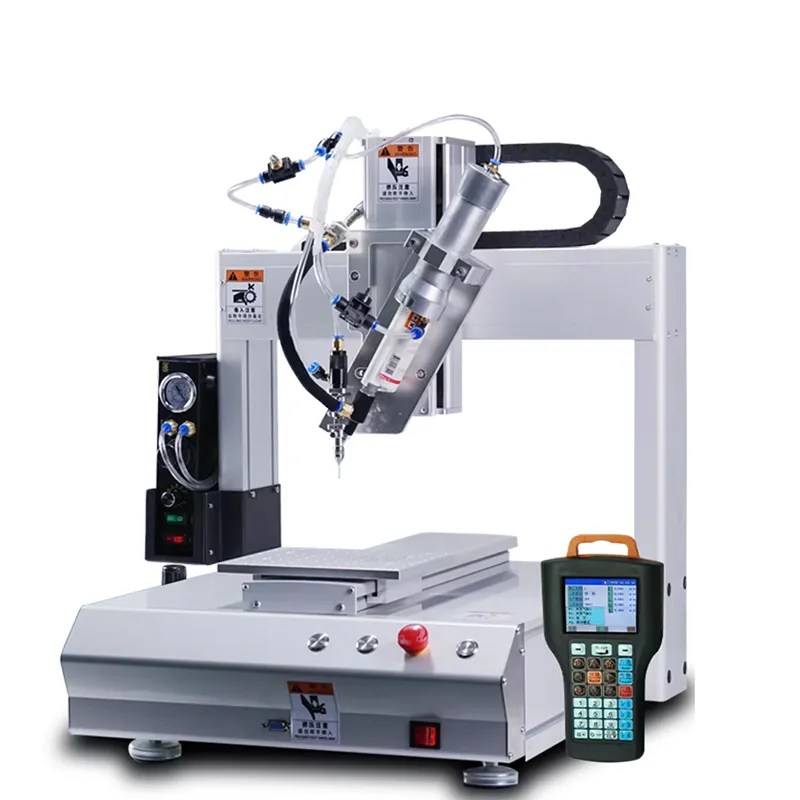
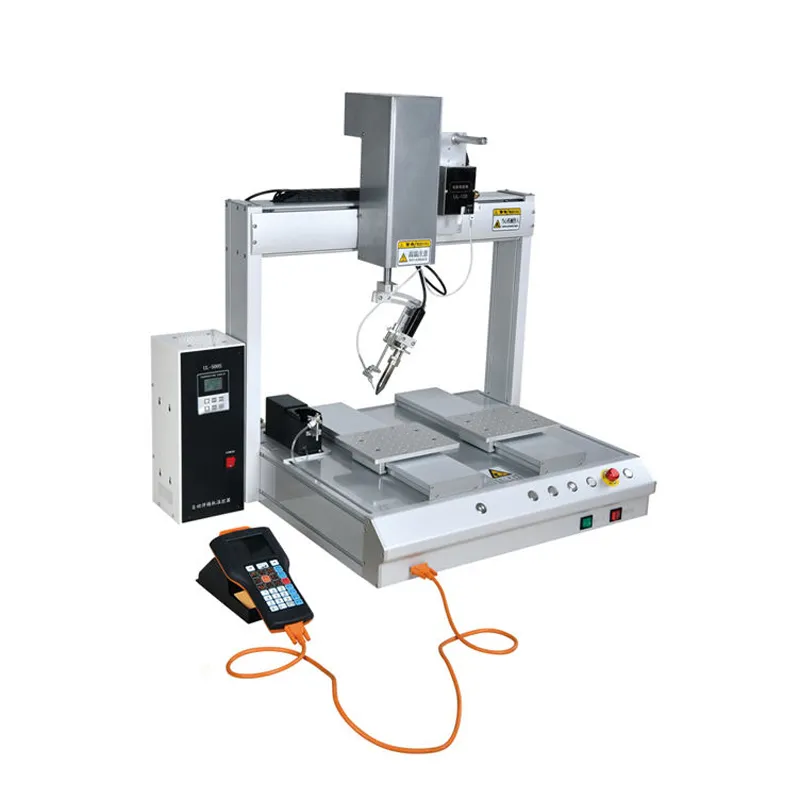
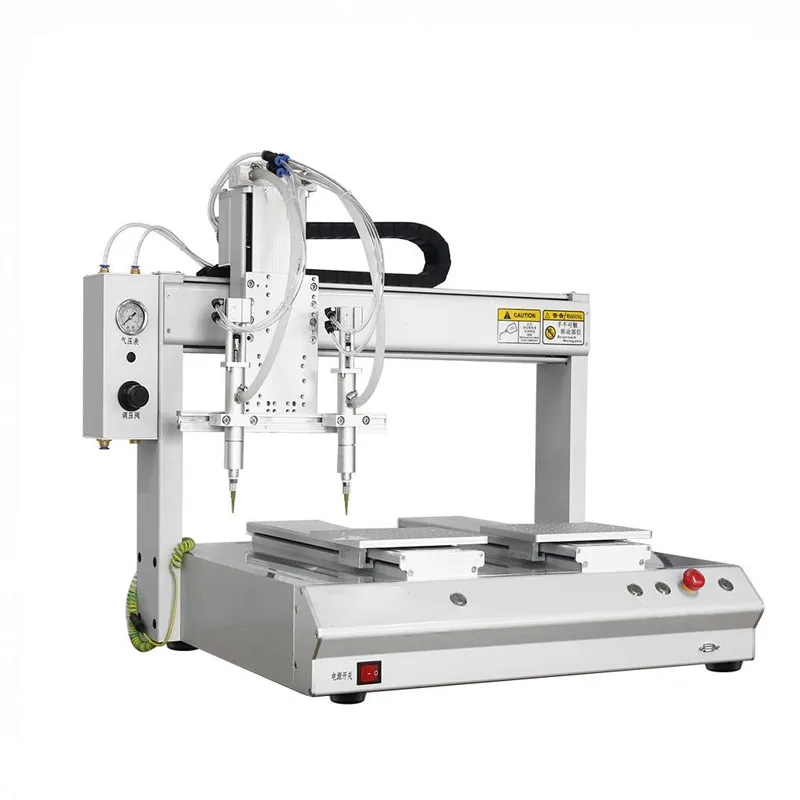
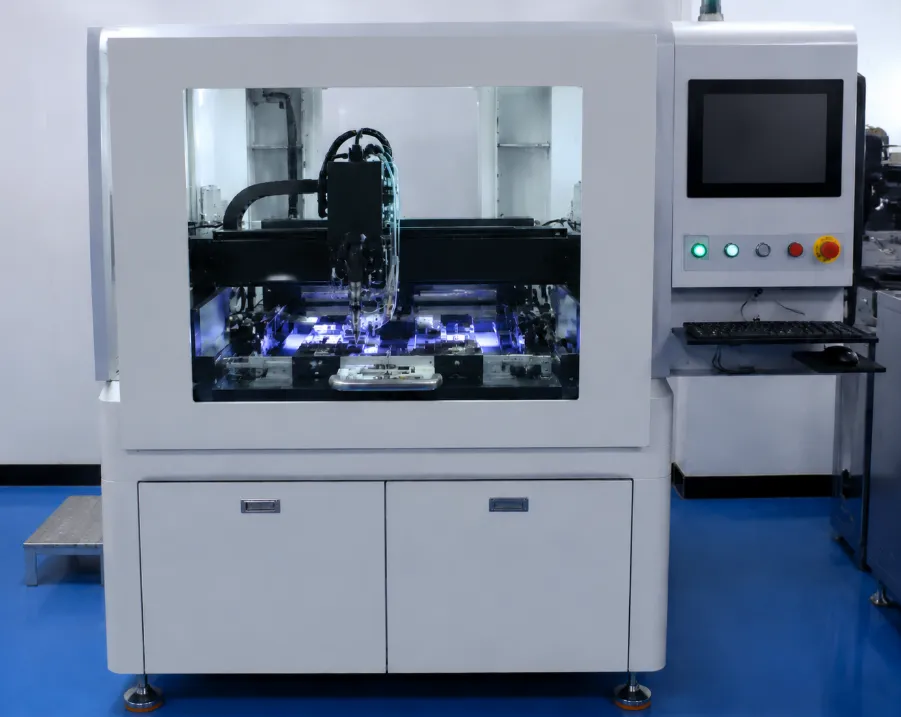
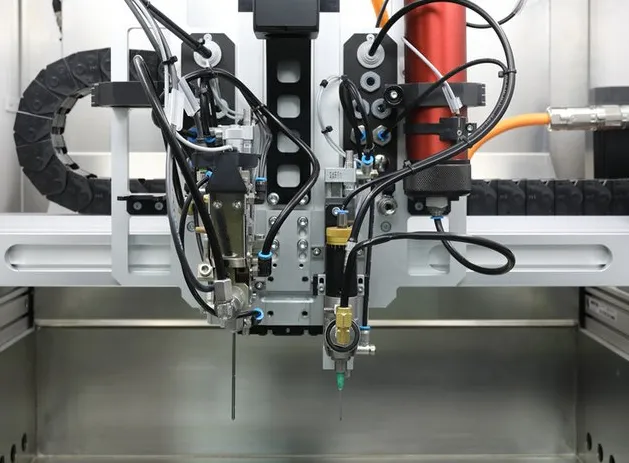
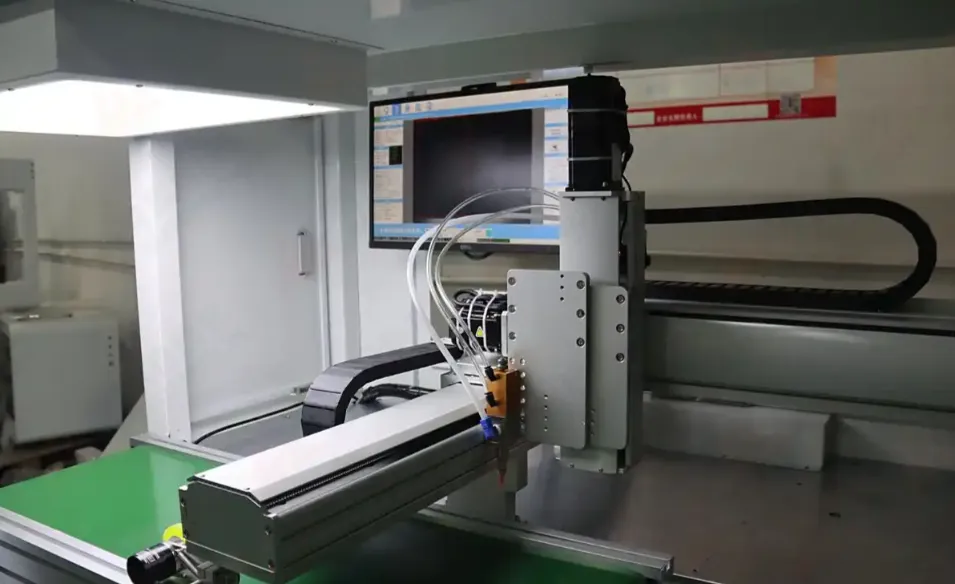
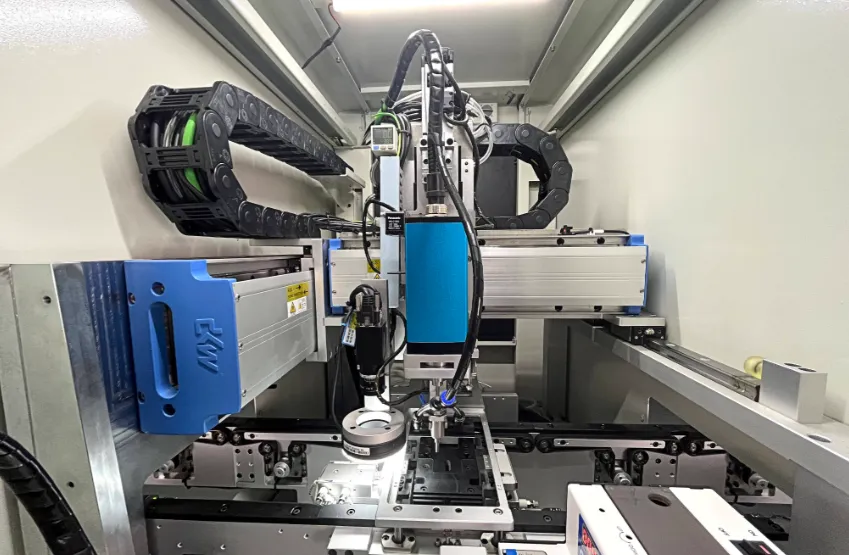
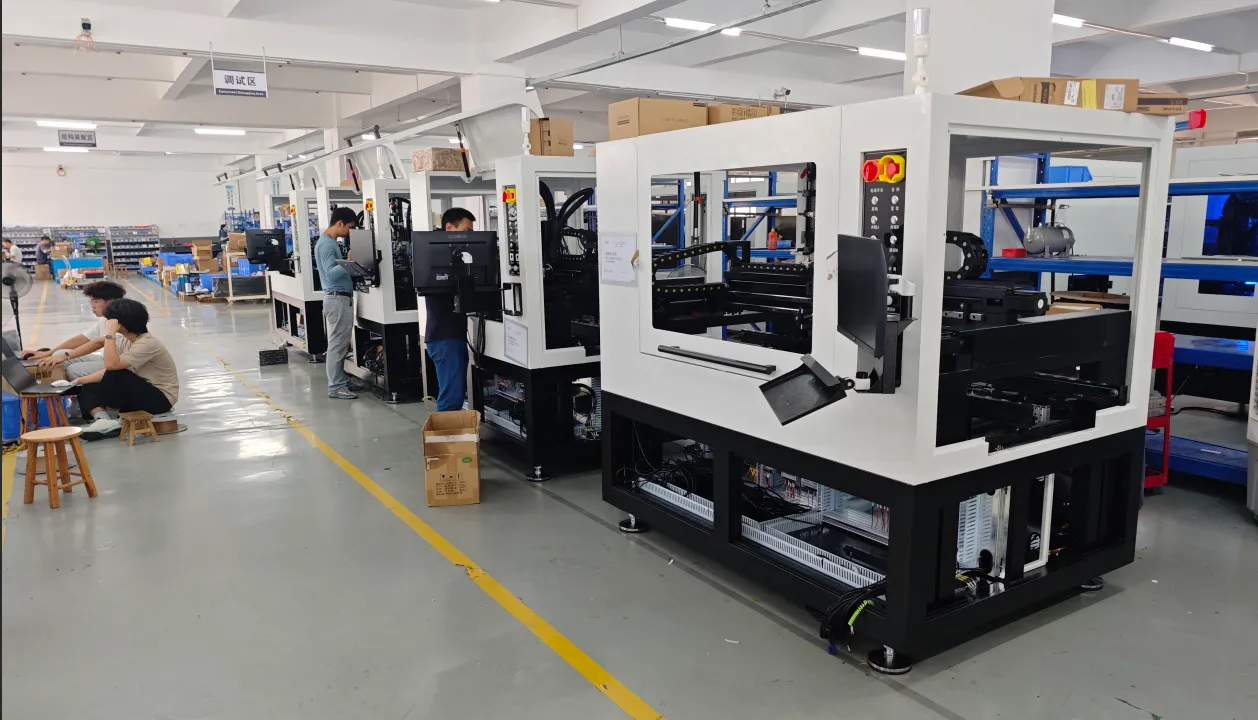
With the continuous advancement of industrial automation, dispensing processes now require higher levels of precision, flexibility, and efficiency. A 3-axis dispensing robot is widely used for standard planar applications such as PCB coating and adhesive dispensing, offering a simple structure, high stability, and cost-effectiveness. In contrast, a 4-axis dispensing robot adds a rotational axis, enabling it to handle curved surfaces, irregular components, and multi-angle dispensing tasks with greater adaptability. This article examines both systems from a practical engineering perspective, highlighting their key technical features and ideal use cases. It also outlines important procurement factors such as product geometry complexity, production volume, and ROI considerations. The goal is to help decision-makers select the right dispensing automation equipment to achieve optimal balance between performance, flexibility, and cost efficiency.
Read More
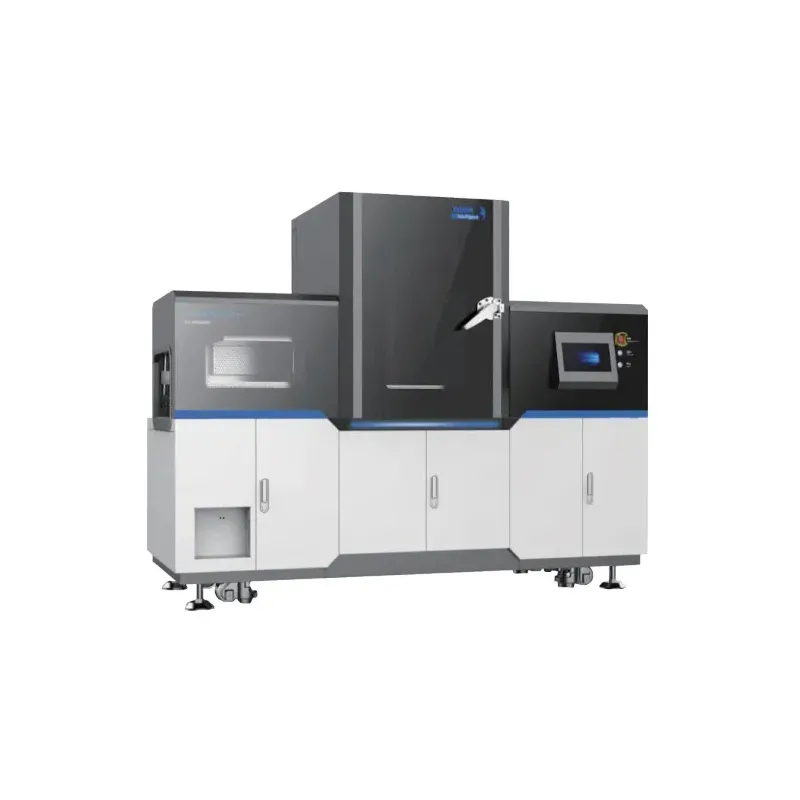
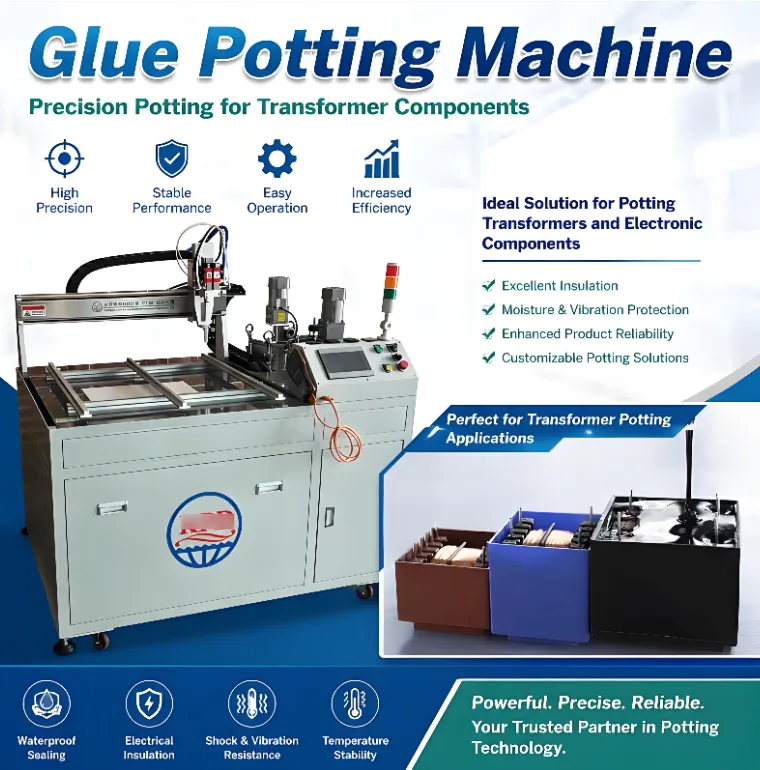
Selecting the right potting compound for solenoid valves and electronic assemblies requires balancing flame retardancy, adhesion reliability, and thermal mechanical stability. Conventional materials often fail due to poor bonding to dissimilar substrates (e.g., magnet wire, iron core, plastic bobbin, metal housing) or cracking caused by CTE mismatch during temperature cycling. Zaijin’s ZJ 2025FR solves these issues with a high‑performance, solvent‑free epoxy system that meets UL 94 V‑0 requirements. Its formulation provides exceptionally strong adhesion to a wide range of materials, a low coefficient of thermal expansion to minimize internal stress, and low water absorption for stable dielectric properties in humid conditions. The moderate viscosity allows bubble‑free filling of complex solenoid cavities. Typical applications include solenoid valve encapsulation, automotive sensors/controllers (IATF 16949 compliant), power tool motor coils, reactors, and precision instruments – offering robust protection against vibration, thermal shock, moisture, and chemical corrosion.
Read More
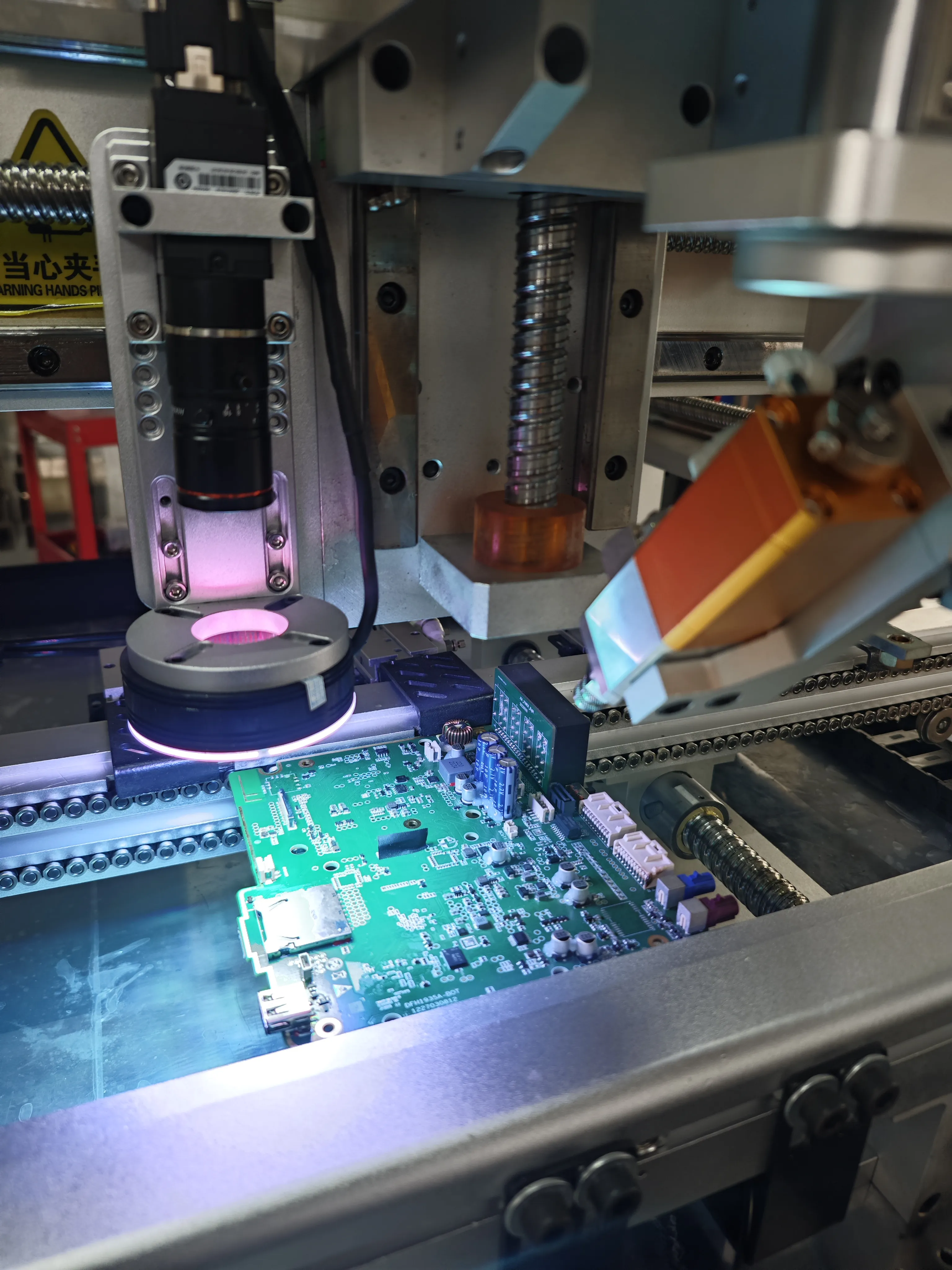
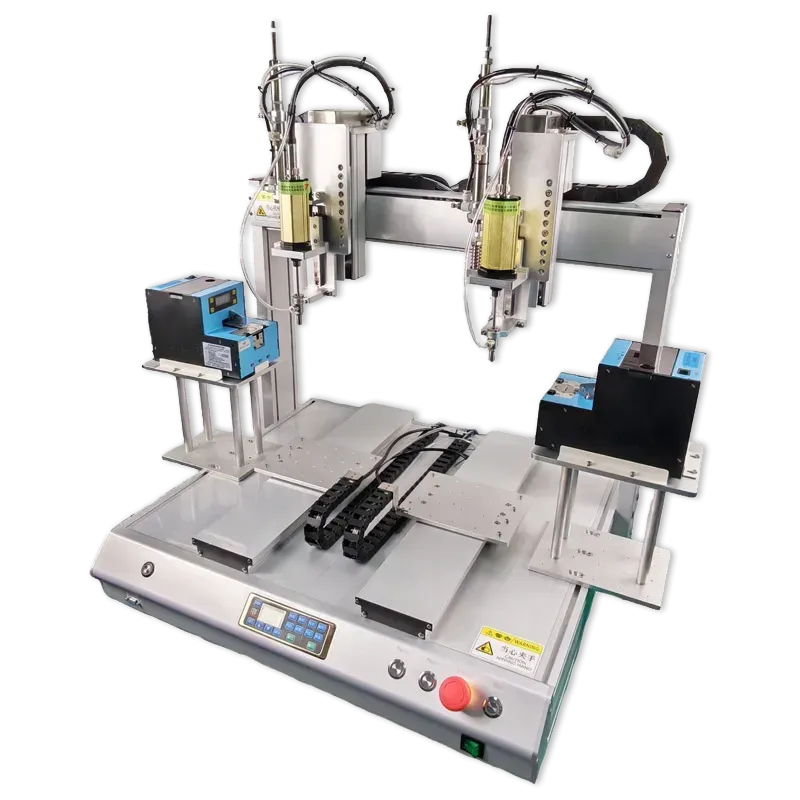
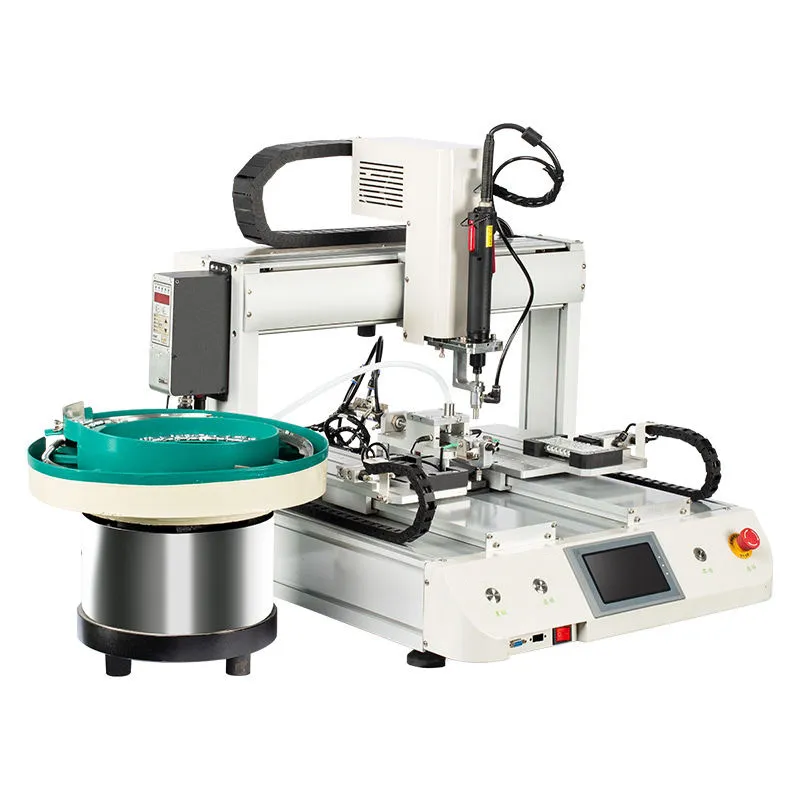
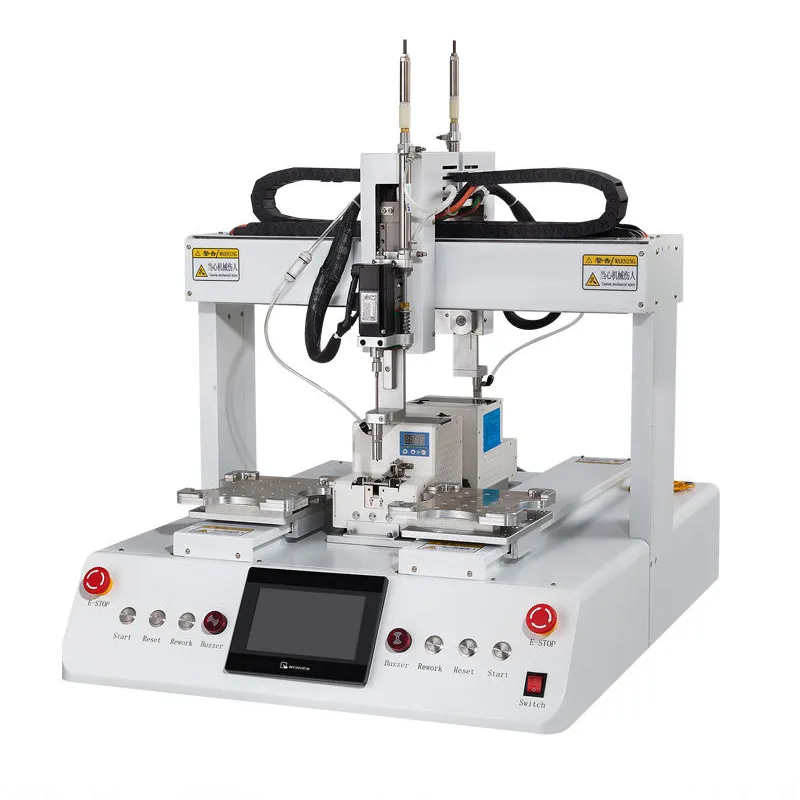
Start with your screws: Magnetic vs. non‑magnetic, head shape, and size determine whether you need a vibratory bowl, blow‑feed, or tape‑fed system. Torque control is critical: Avoid cheap electric clutches. Look for servo‑driven systems with real‑time feedback and ±3% accuracy – plus torque curve logging for traceability. Integration matters: The machine must work with your existing line (conveyor, robot). Open protocols like Modbus TCP/IP or discrete I/O are essential; proprietary lock‑ins are not. Don’t forget the operator: Quick jam clearing, easy cassette loading, and fast bit changes protect your overall equipment effectiveness (OEE). Final advice: Send your actual screws and products to 2–3 suppliers for a batch test. Watch torque graphs and listen for jams. Speed is nice – reliability is everything.
Read More
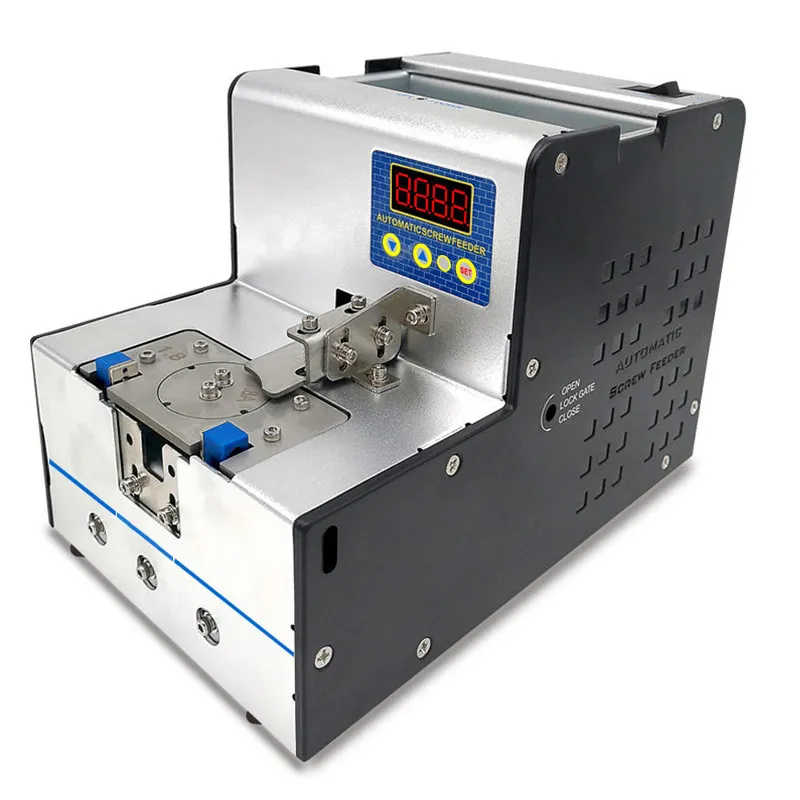
Automatic screw feeder machine pricing in 2026 ranges from a few hundred dollars for basic handheld units to over $200,000 for fully automated robotic systems, but the number itself is rarely the deciding factor. What actually determines the right investment is how well the system matches real production conditions — including screw specifications, required cycle time, integration level, and long-term reliability. In practice, factories that focus only on upfront price often encounter performance issues, while those that align machine type with application needs see fast payback, typically within a few months. The most effective approach is to first identify the correct category of equipment, validate performance with real screw samples, and then compare suppliers based on stability, support, and total cost of ownership rather than just initial quotation.
Read More
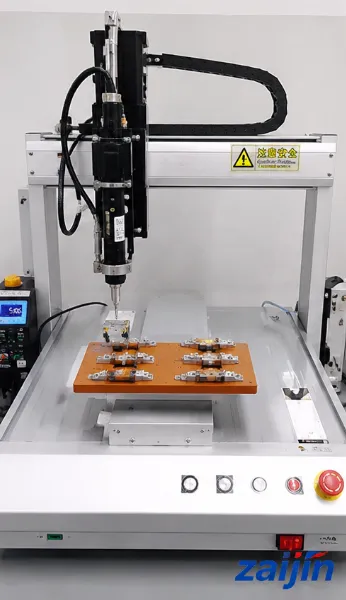
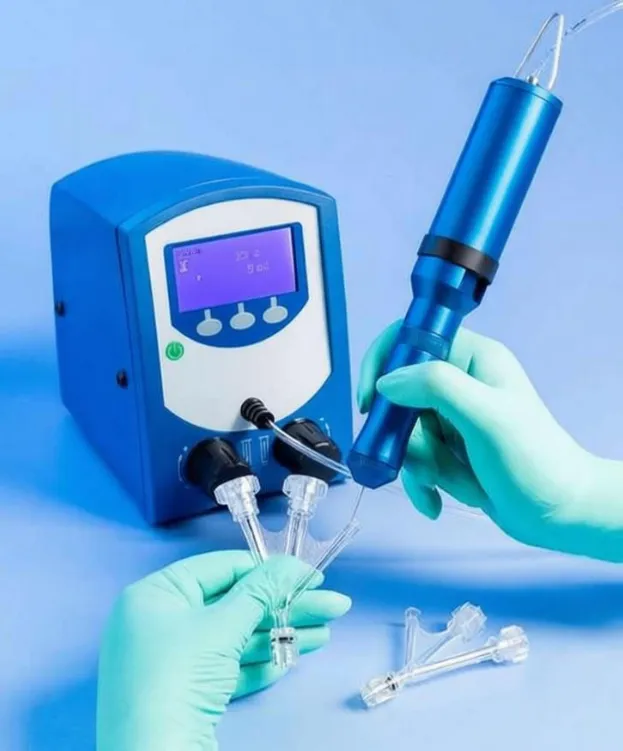
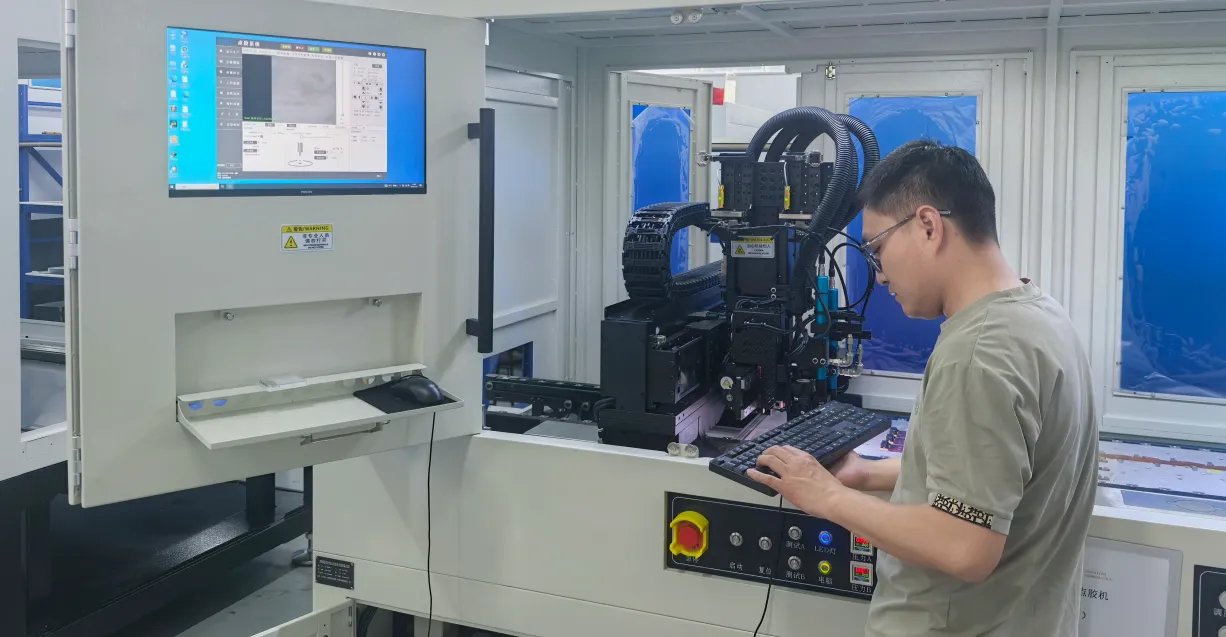
Selecting the perfect glue dispenser starts with understanding your adhesive (viscosity, one-part or two-part, curing method) and your specific application (precision, volume, and process type). Match the machine to your needs: use simple time-pressure dispensers for basic single-component glues, meter-mix systems for two-part epoxies, precision valves or jet dispensers for high-accuracy electronics, and progressive cavity pumps for thick or abrasive materials. Key factors to consider include material compatibility, anti-drip features, repeatability, ease of maintenance, and future scalability. Always request a sample test with your actual glue before purchasing. The goal is simple: reduce waste, improve consistency, boost productivity, and achieve faster ROI. The right dispenser isn’t the most expensive one — it’s the one that perfectly fits your production reality.
Read More
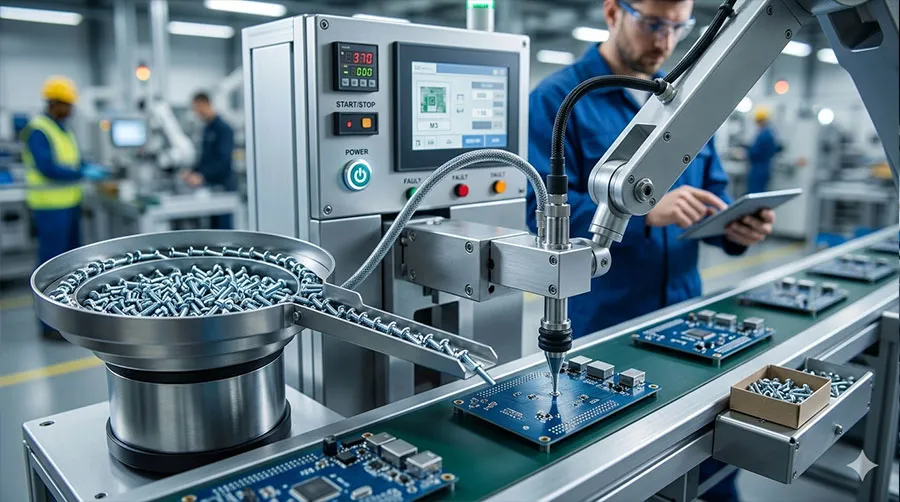
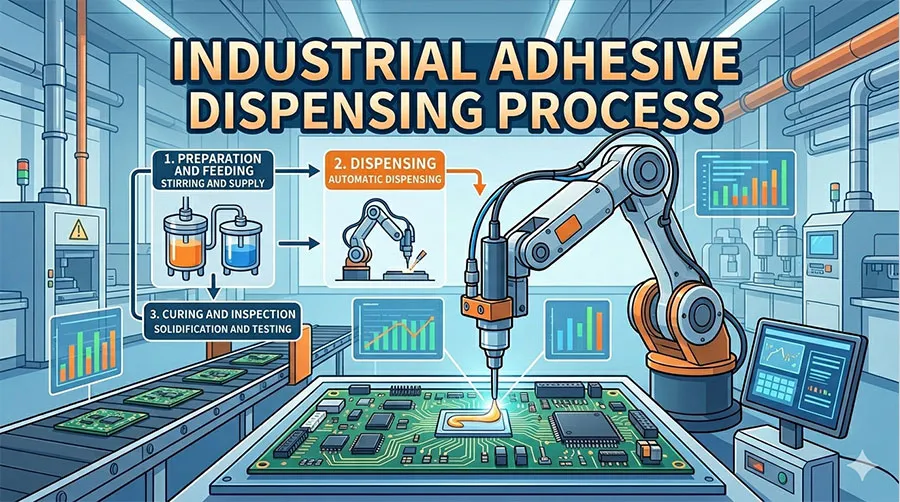
This article explains the industrial glue dispensing machine process in a complete workflow, including material preparation, machine setup and parameter configuration, surface treatment, dispensing execution, curing, and final inspection. It also discusses common production problems such as uneven glue lines, air bubbles, stringing, and poor adhesion, and shows that these issues are mainly caused by process control rather than equipment. By standardizing each step and optimizing key parameters like viscosity, pressure, speed, and curing conditions, manufacturers can achieve more stable dispensing quality, higher consistency, and improved production efficiency.
Read More
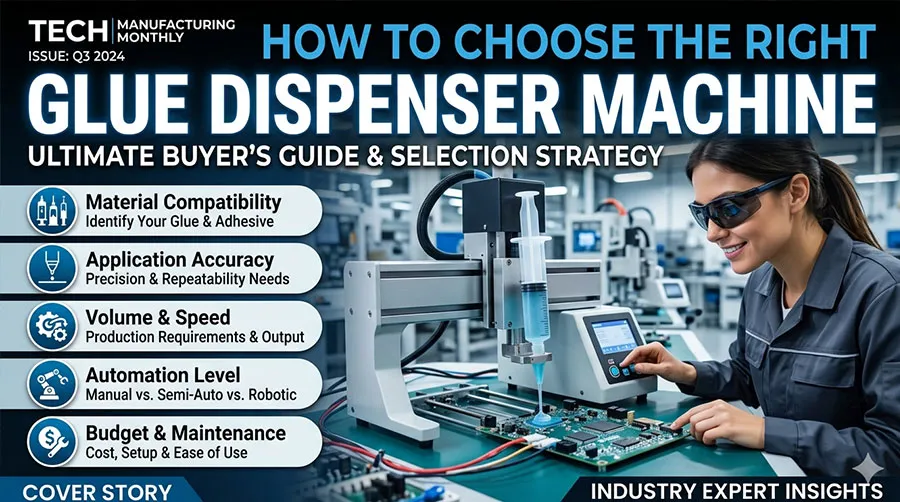
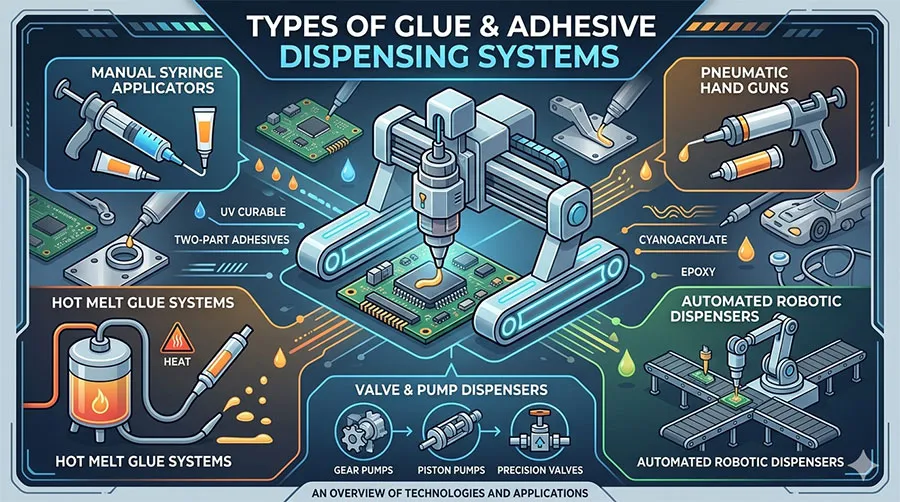
Glue dispensing systems are precision equipment used in electronics, automotive, packaging, medical, and LED industries to accurately apply various adhesives. They are classified by automation level (manual, semi-automatic, robotic), dispensing technology (contact time-pressure, positive displacement, non-contact jetting, hot melt), mounting type (benchtop, handheld, inline), and compatible adhesives (cyanoacrylate, UV, epoxy, conductive, two-component). Key selection factors include viscosity, precision, speed, and integration needs. In 2026, trends focus on high-speed jetting, AI vision, and eco-friendly micro-dispensing for better efficiency and reduced waste.
Read MoreIf you are interested in any of our products or would like to discuss a customized order, Please feel free to contact us.