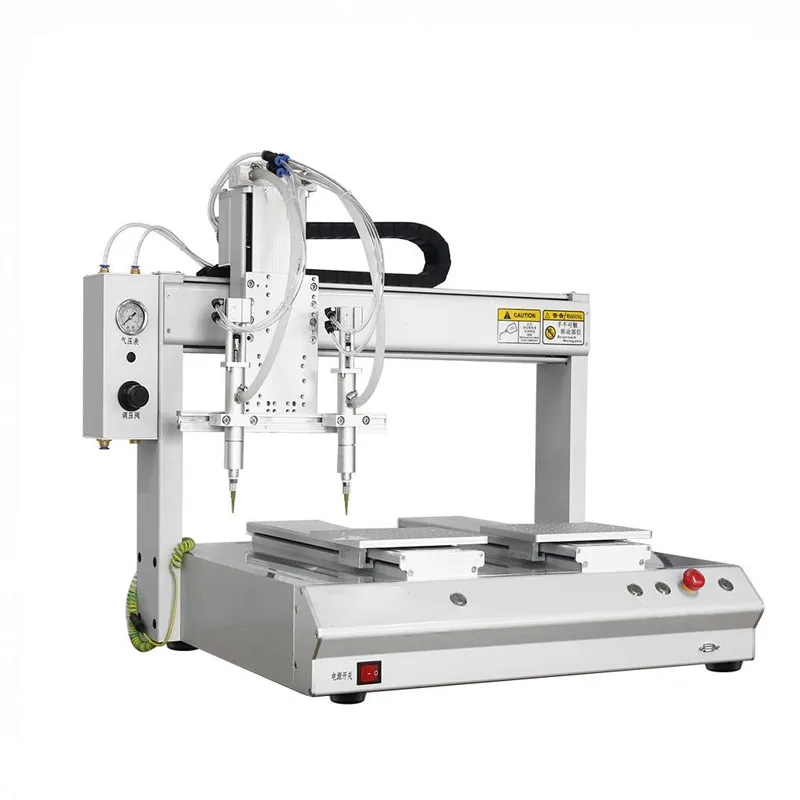
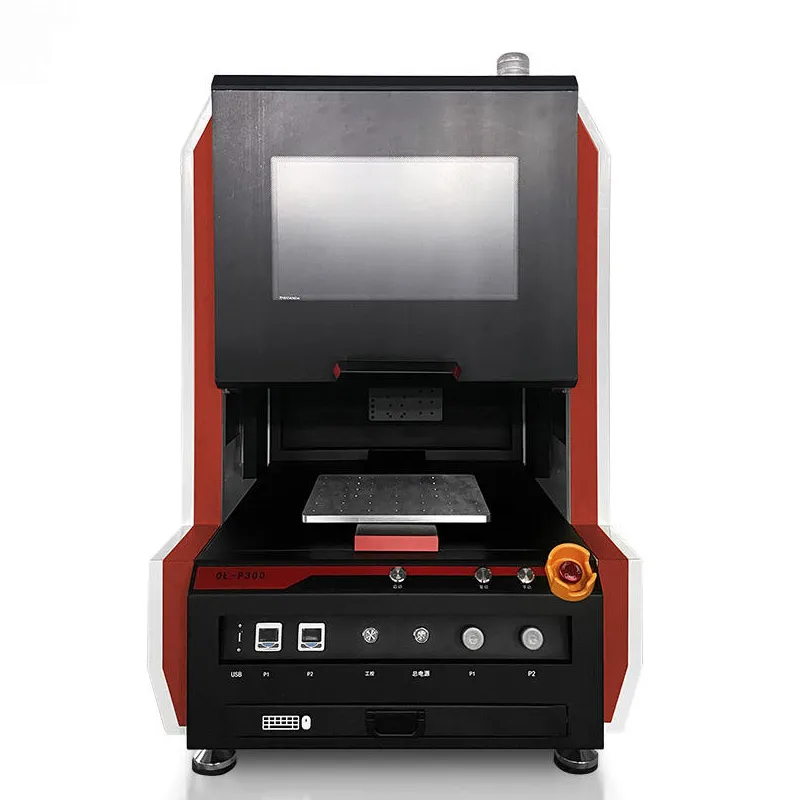
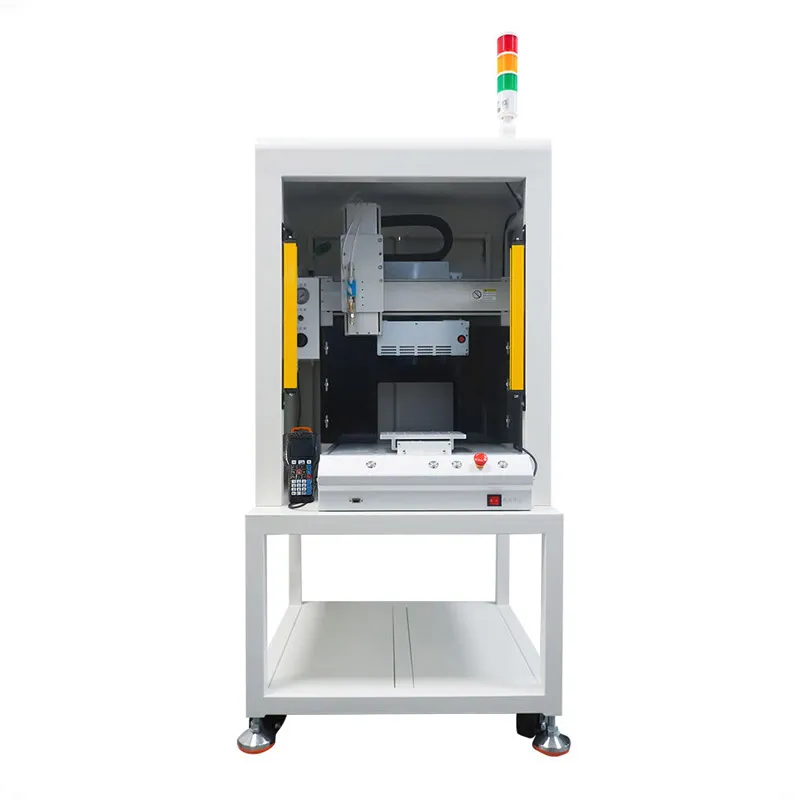
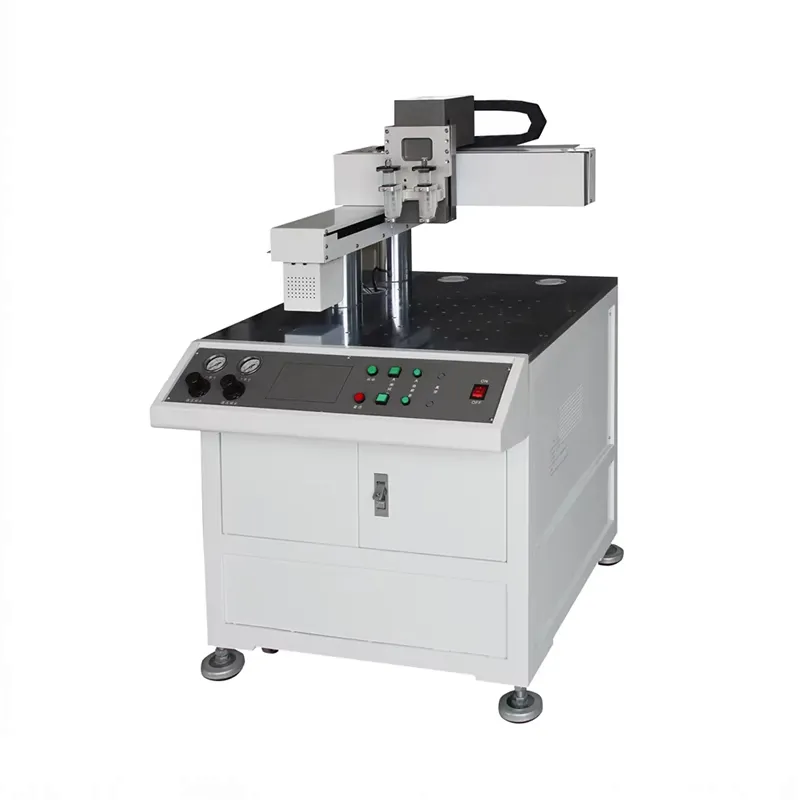
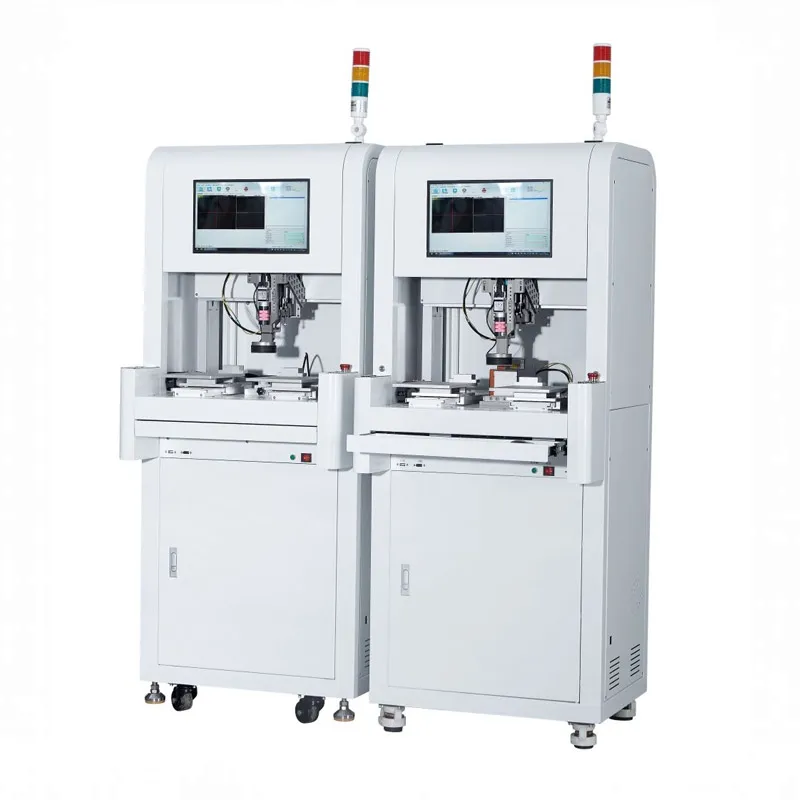
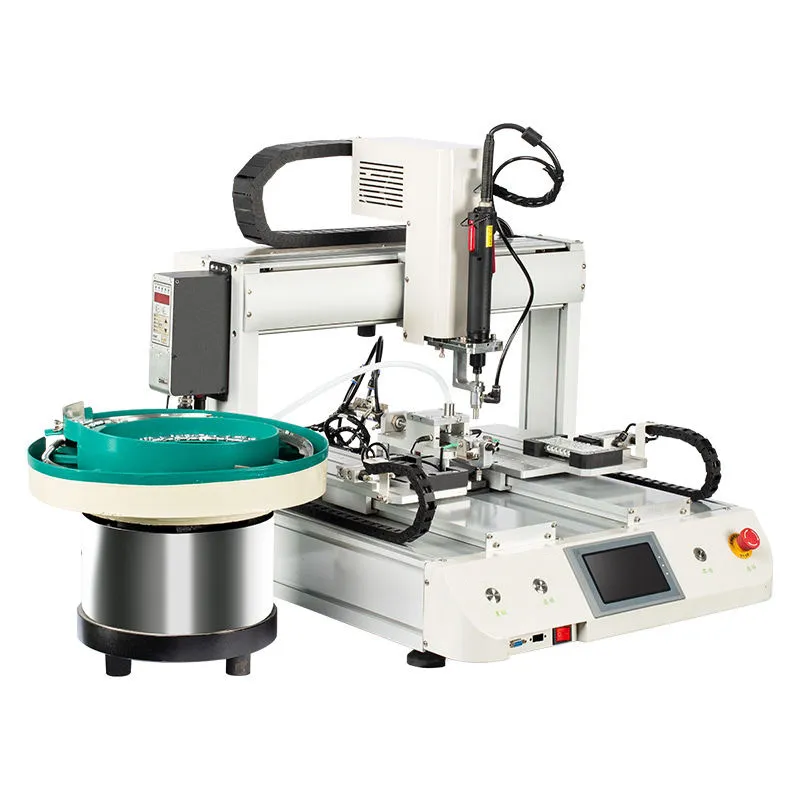
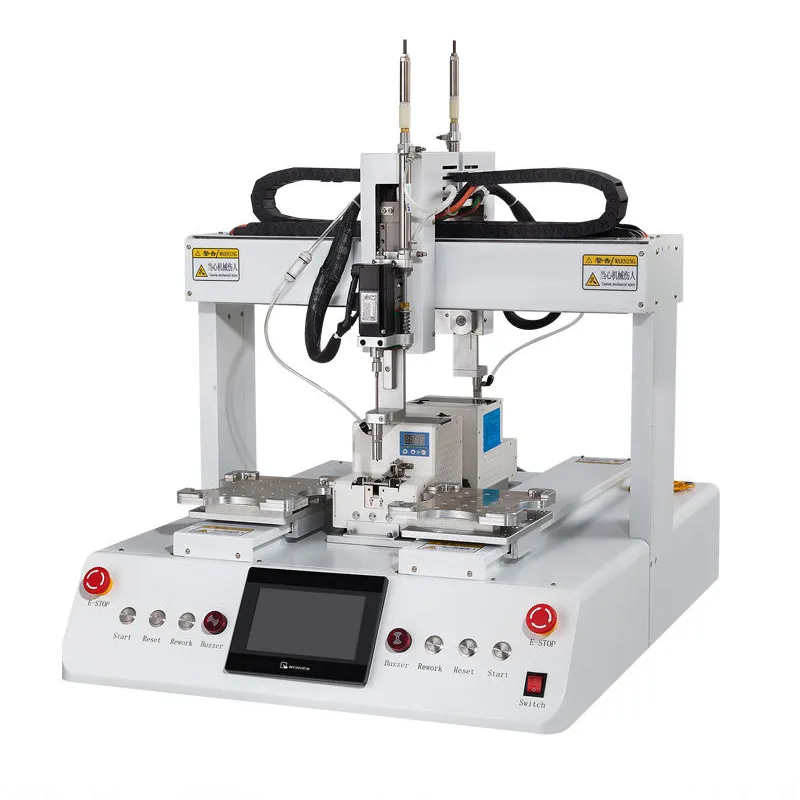
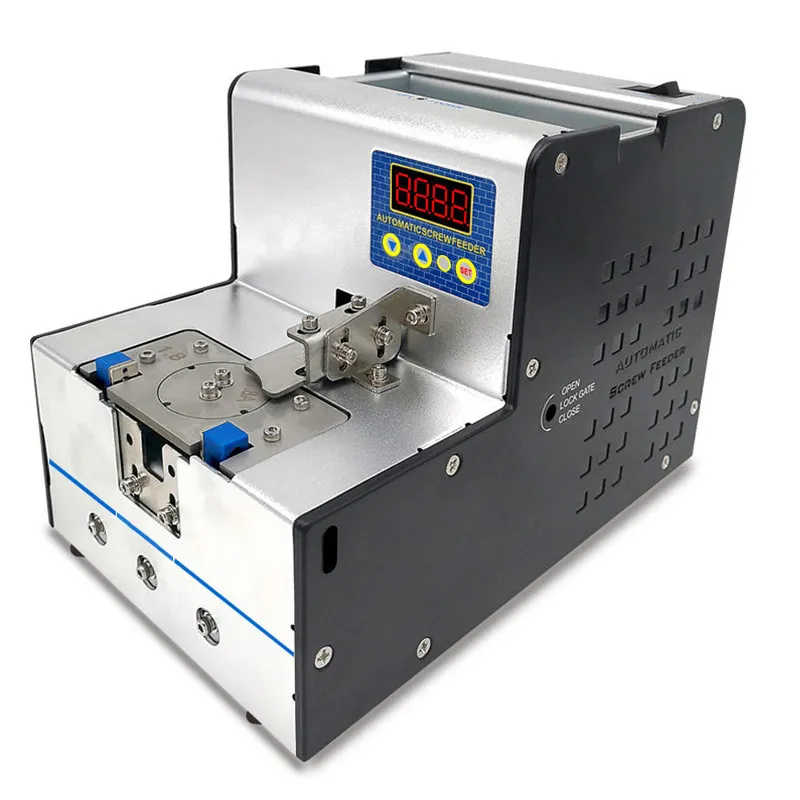
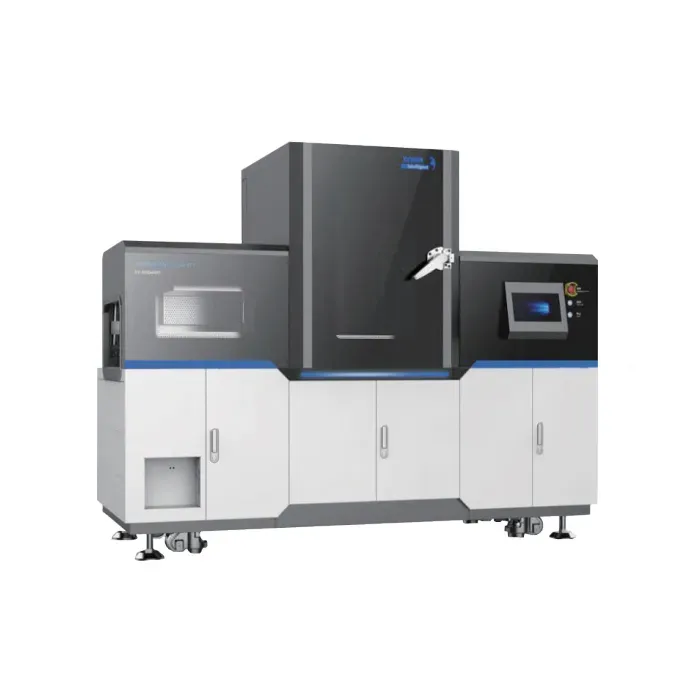
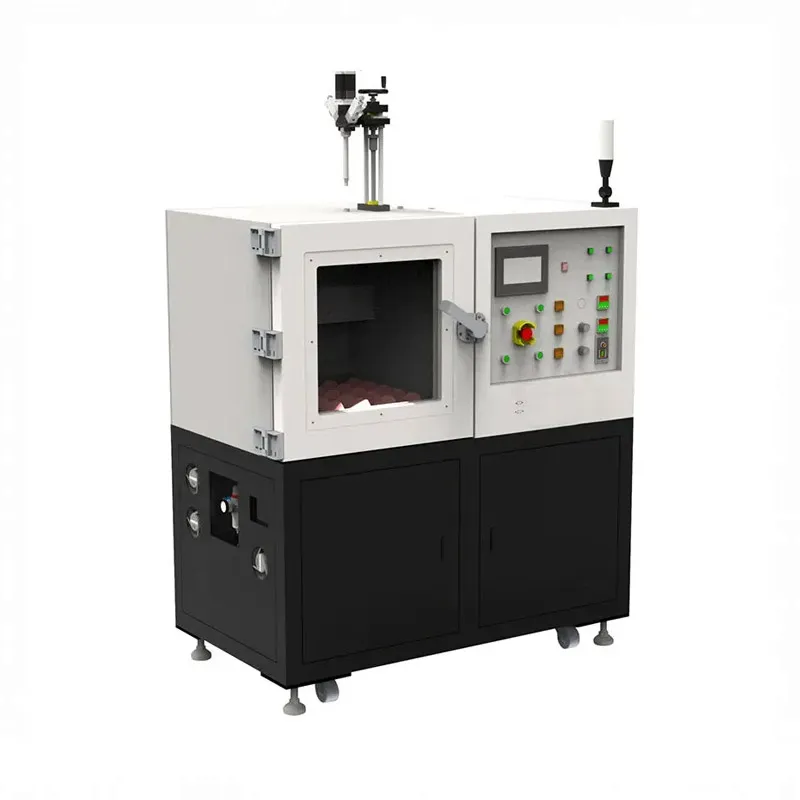
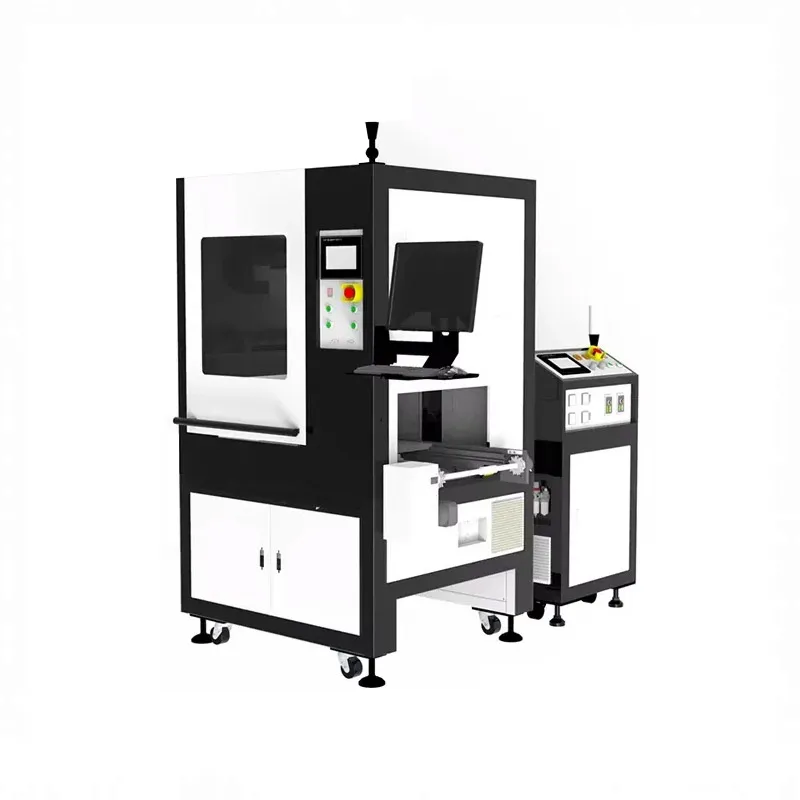
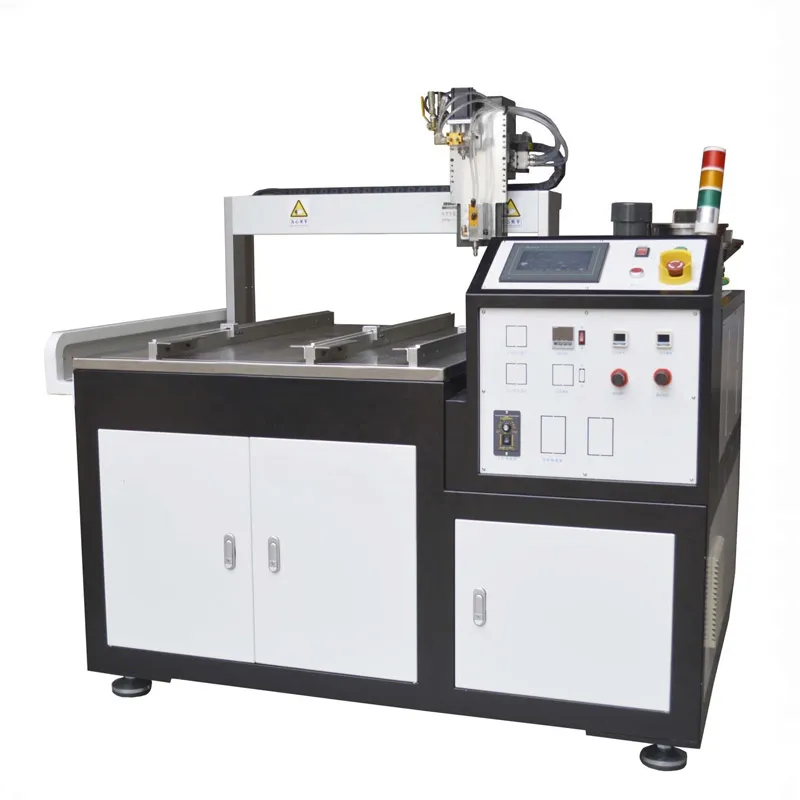
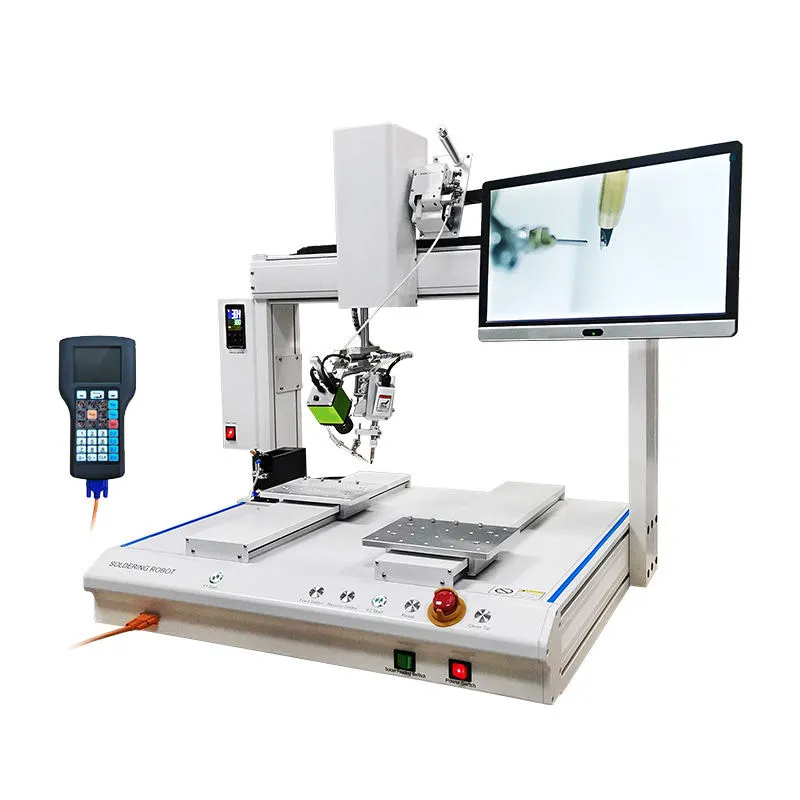
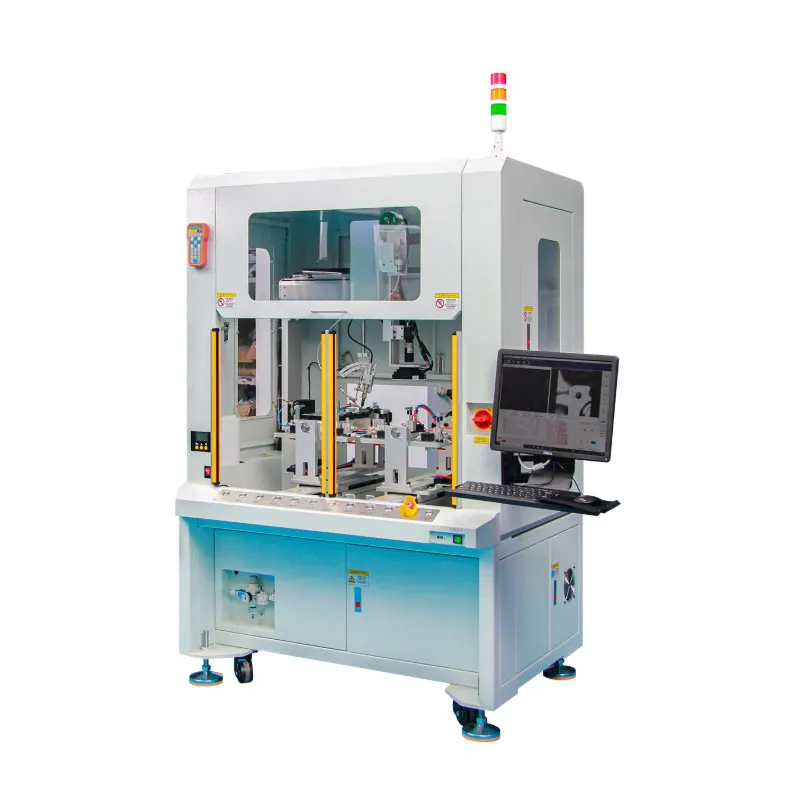
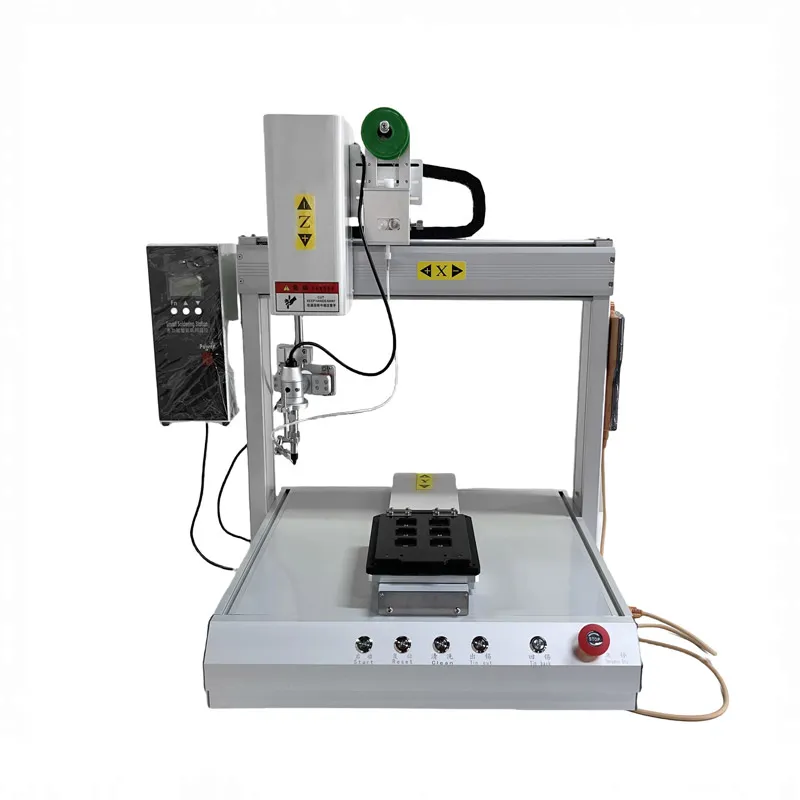
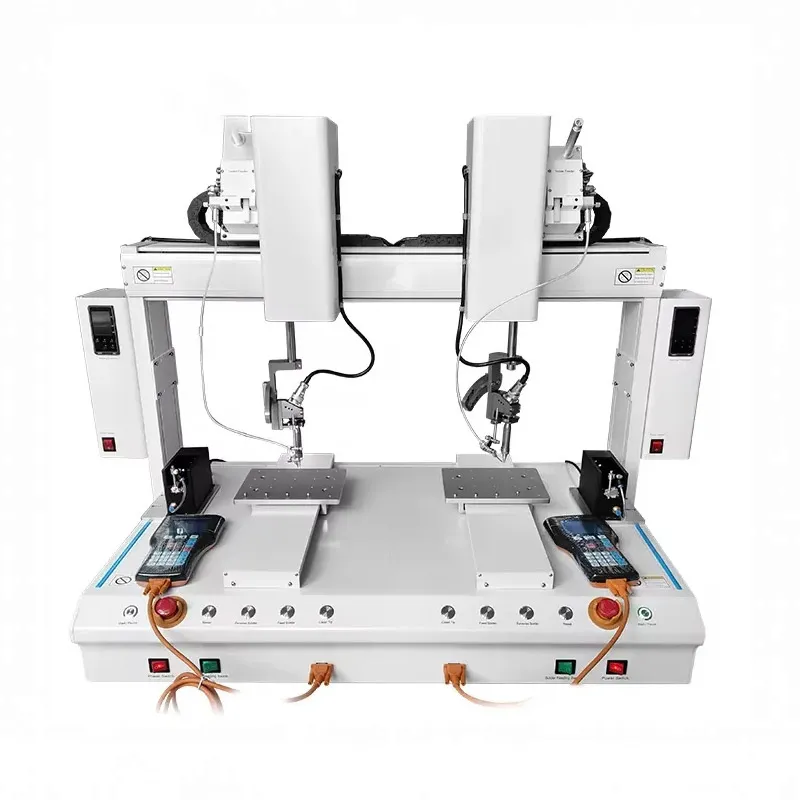
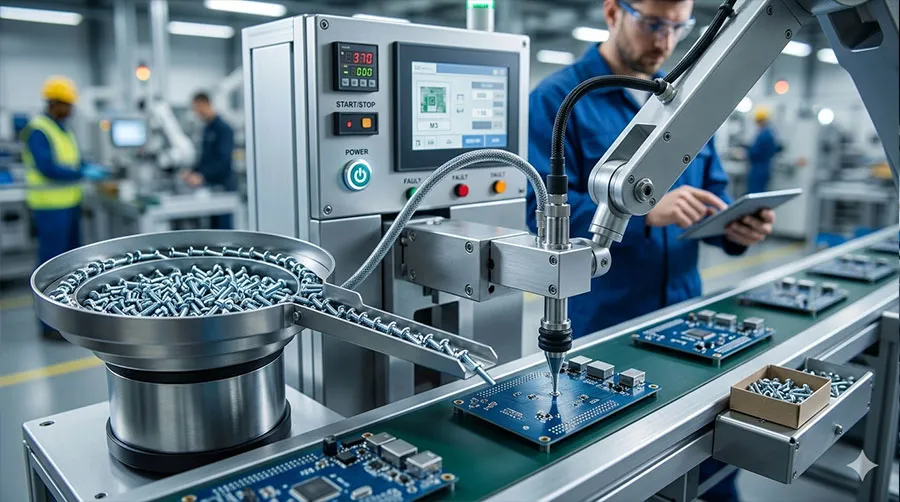
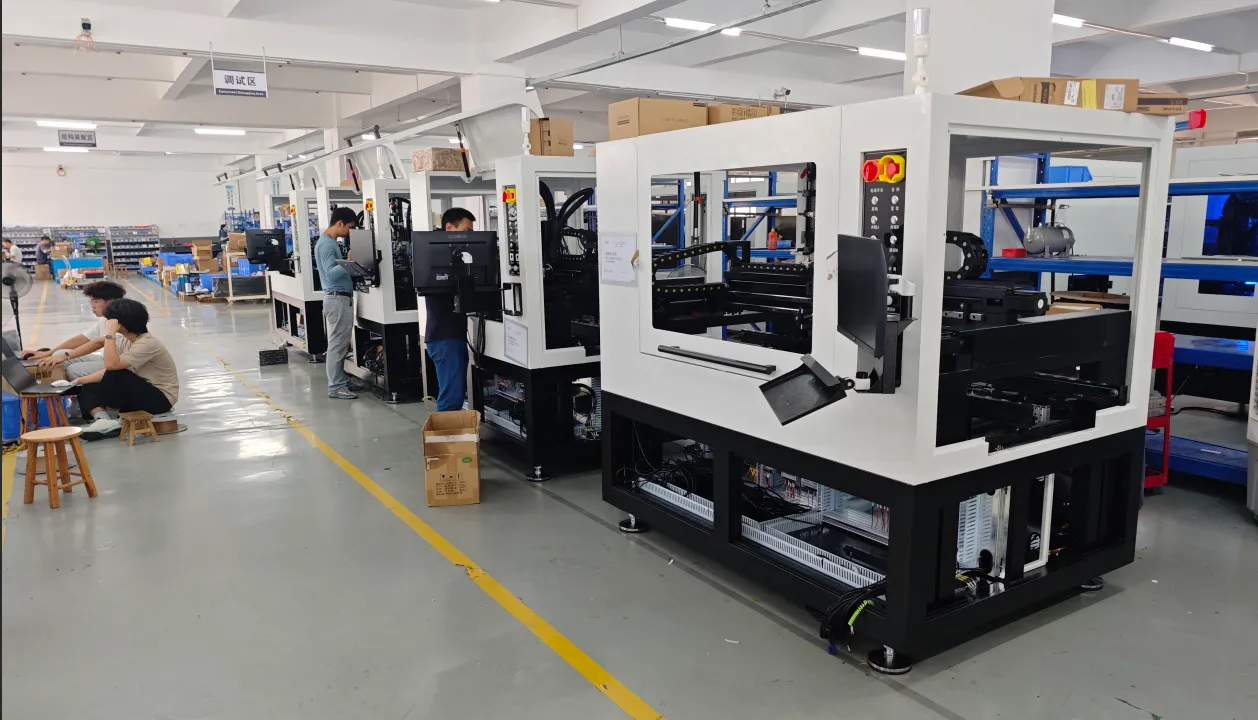
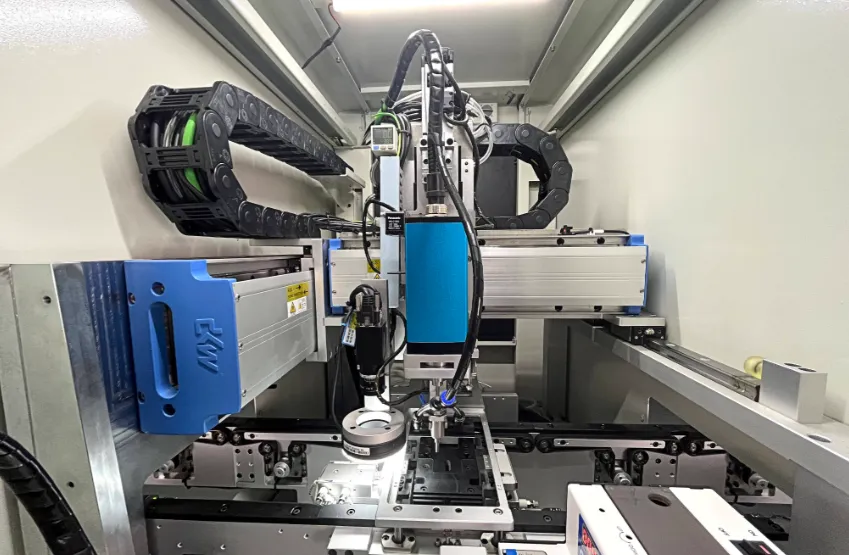
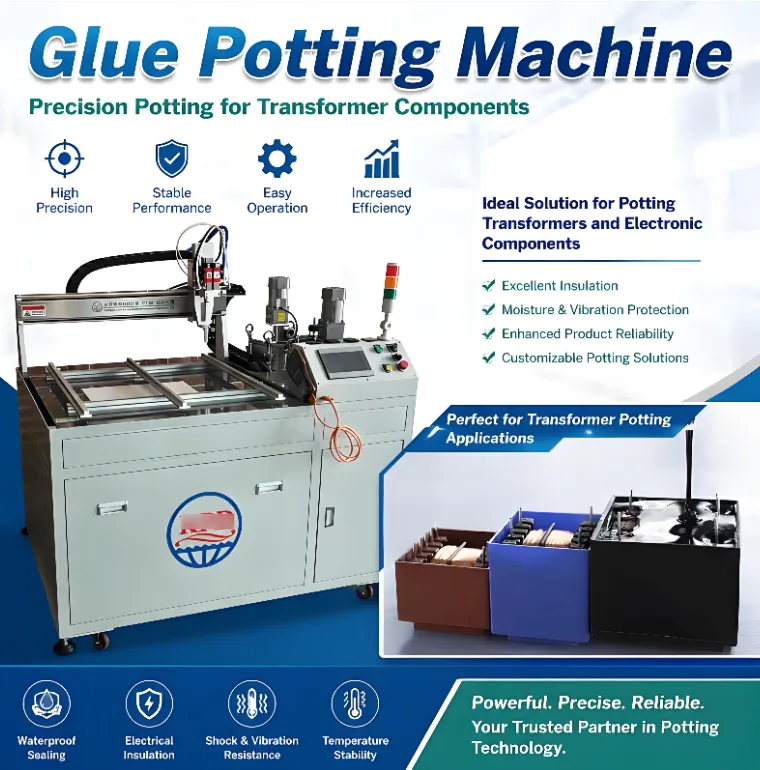
This article explains the industrial glue dispensing machine process in a complete workflow, including material preparation, machine setup and parameter configuration, surface treatment, dispensing execution, curing, and final inspection. It also discusses common production problems such as uneven glue lines, air bubbles, stringing, and poor adhesion, and shows that these issues are mainly caused by process control rather than equipment. By standardizing each step and optimizing key parameters like viscosity, pressure, speed, and curing conditions, manufacturers can achieve more stable dispensing quality, higher consistency, and improved production efficiency.
If your glue dispensing results are inconsistent — uneven lines, bubbles, or weak bonding — the issue is rarely the machine itself. In real production environments, most failures come from the process.
This guide explains the real industrial glue dispensing machine process used in factories, with practical engineering insights to help you improve consistency, reduce defects, and optimize production efficiency.
What Is the Glue Dispensing Process?
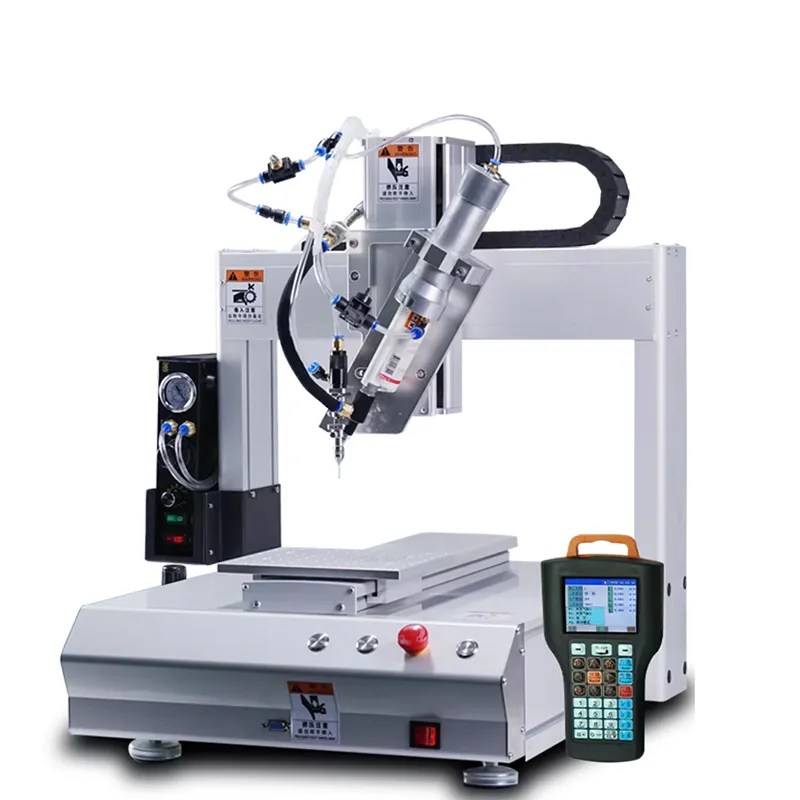
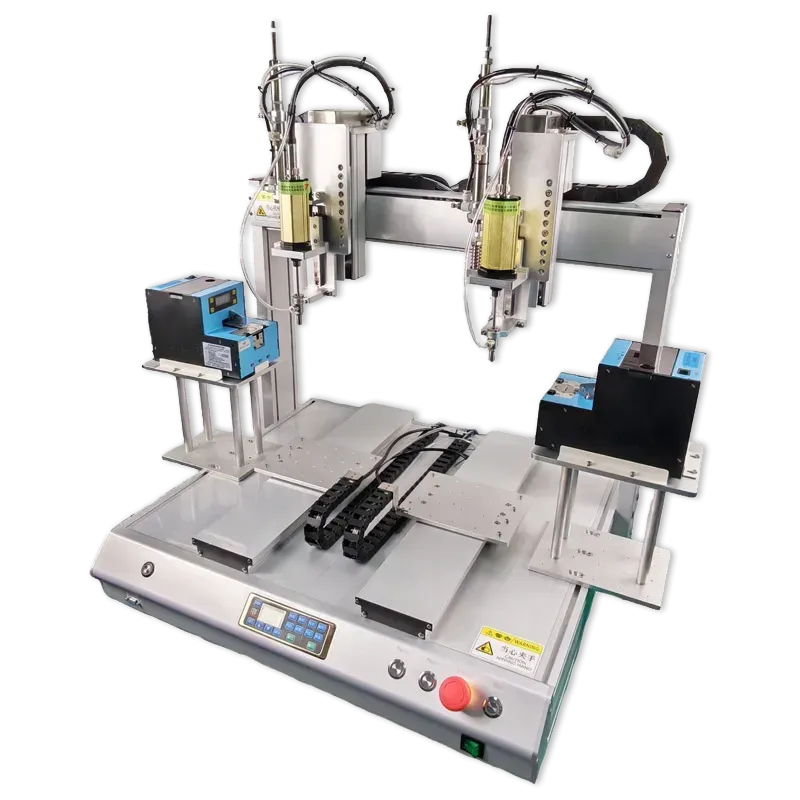
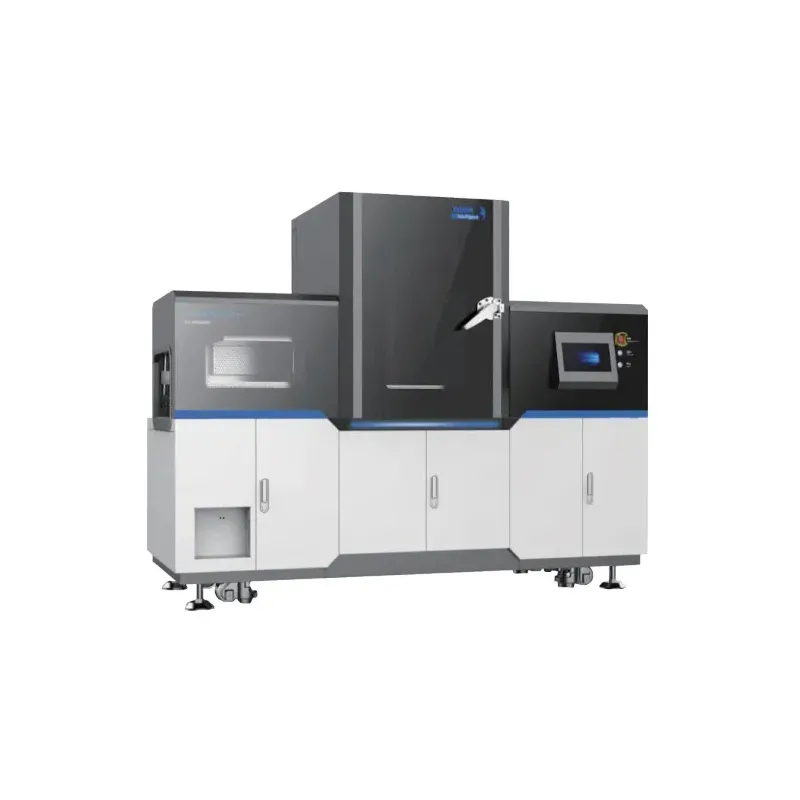
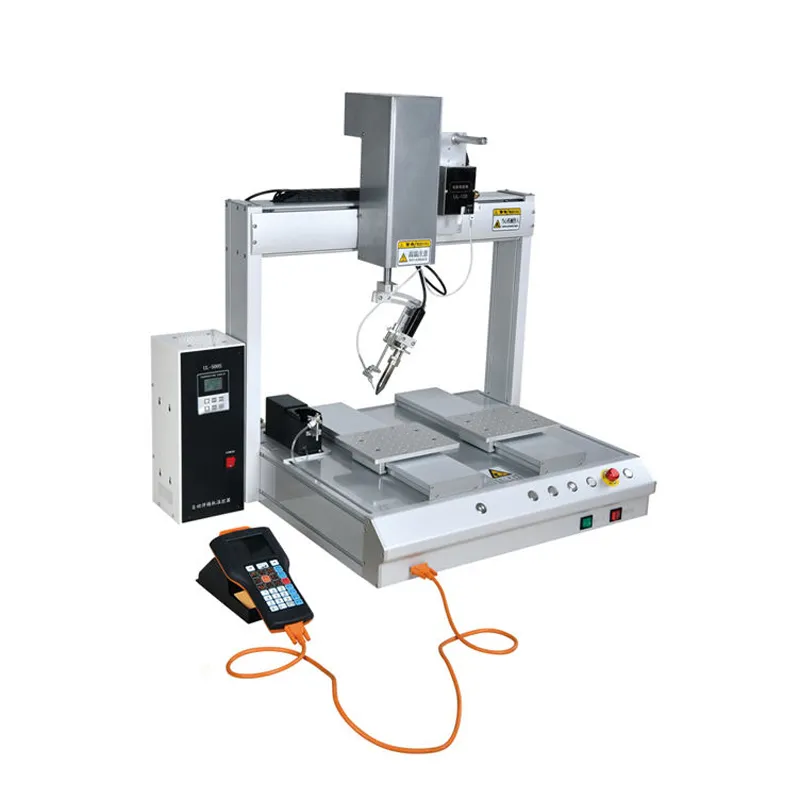
The glue dispensing process refers to the controlled application of adhesive materials using automated equipment. It ensures precise volume, accurate positioning, and repeatable results across production cycles.
It is widely used in industries such as electronics, automotive manufacturing, LED production, and medical device assembly.
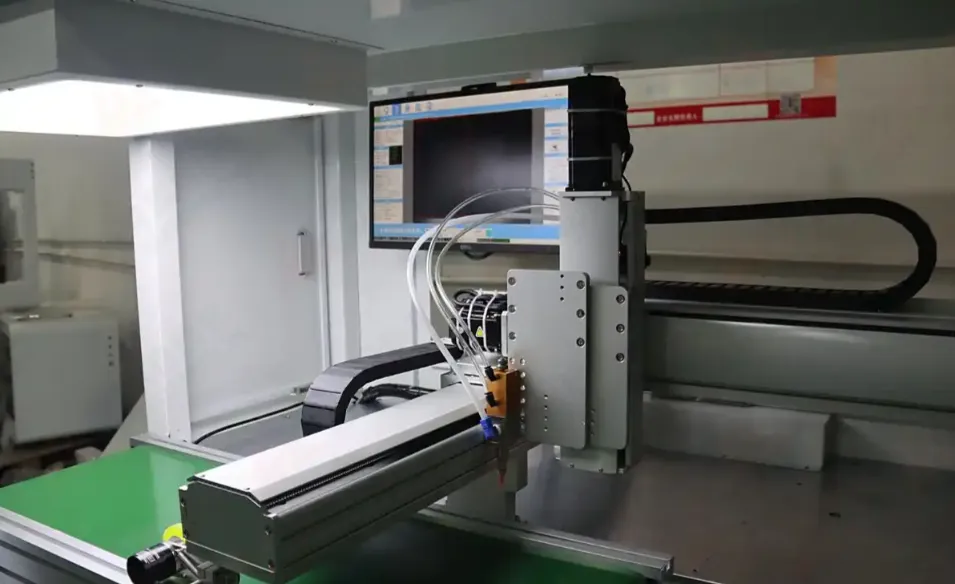
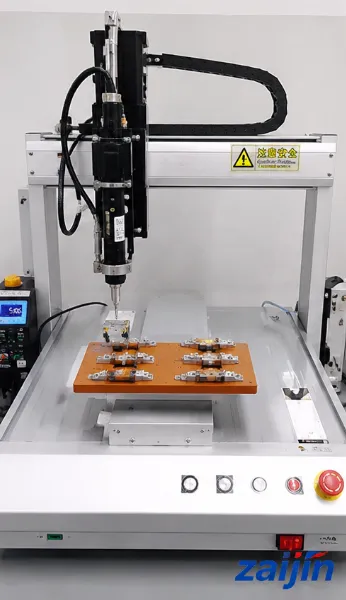
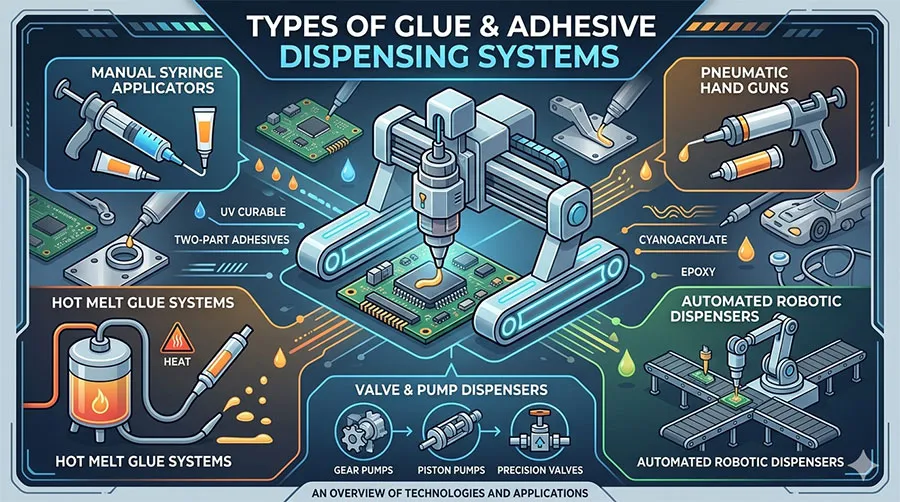
Key Components in an Industrial Dispensing System
-
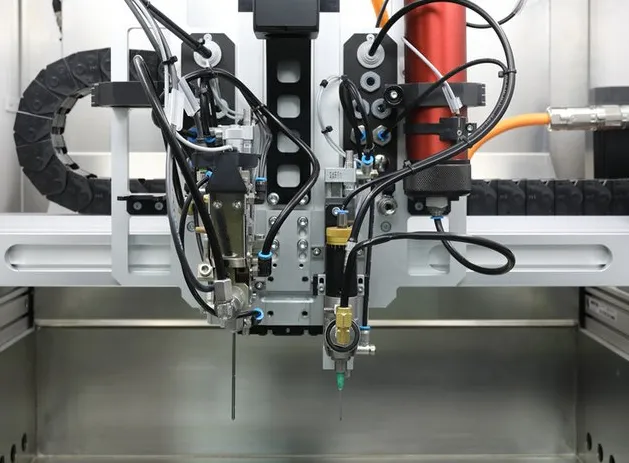
Dispensing Valve: Controls adhesive start/stop and output volume
-
Pressure or Pump System: Drives adhesive flow
-
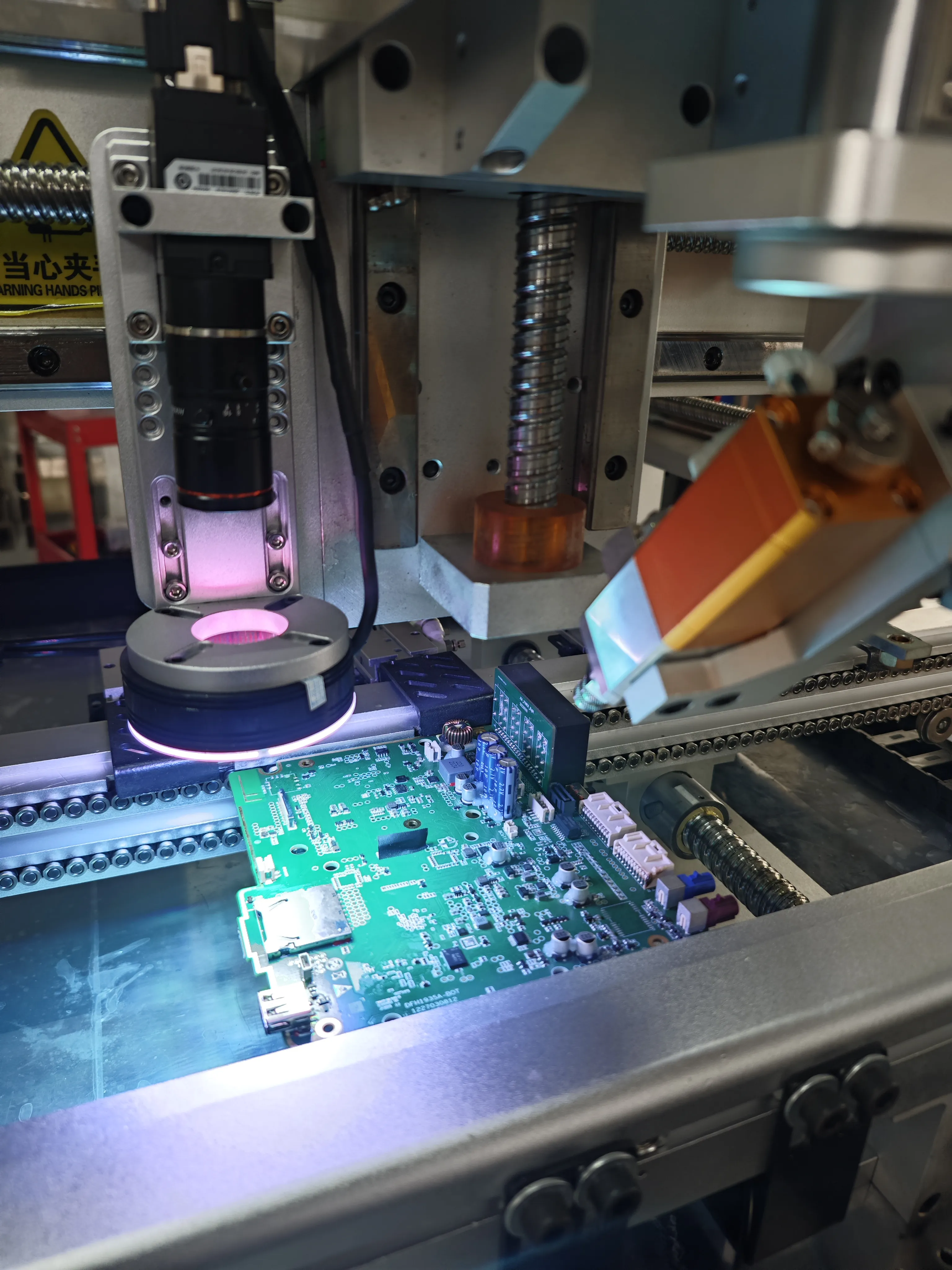
Motion System (XYZ): Controls movement and dispensing path
-
Mixing System: Ensures correct ratio for two-component adhesives
-
Vision System (Optional): Improves positioning accuracy
Each component plays a critical role in achieving stable and repeatable dispensing results.
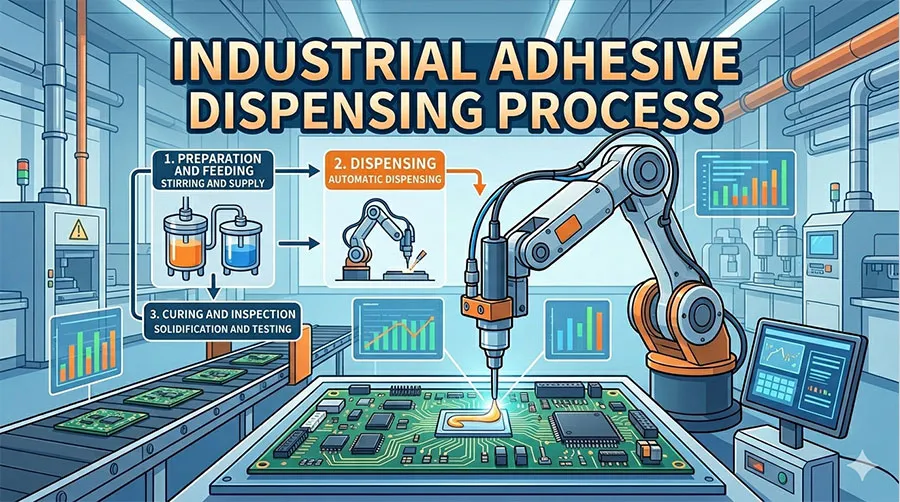
Step-by-Step Industrial Glue Dispensing Machine Process
Step 1: Material Preparation (Most Critical Step)
Material preparation is the most common source of production issues.
-
Control viscosity to match dispensing requirements
-
Ensure correct mixing ratio for multi-component adhesives
-
Monitor pot life and storage conditions
Incorrect material handling can lead to incomplete curing, weak bonding, or product failure.
Step 2: Machine Setup & Parameter Configuration
Before starting production, key parameters must be configured correctly:
-
Dispensing pressure
-
Dispensing speed
-
Nozzle size
-
Dispensing path and program
Even minor parameter deviations can significantly impact dispensing quality.
Step 3: Surface Preparation
Surface condition directly affects adhesion performance.
-
Remove dust, oil, and moisture
-
Ensure proper alignment
-
Use plasma treatment if required for high-precision applications
No dispensing system can compensate for poor surface preparation.
Step 4: Dispensing Execution
The machine applies adhesive in predefined patterns:
-
Dot dispensing
-
Line dispensing
-
Circular or custom paths
Stable flow and accurate positioning are essential to maintain consistency across products.
Step 5: Curing Process
Curing depends on adhesive type and application:
-
UV curing for fast processing
-
Heat curing for strong bonding
-
Room temperature curing for cost-sensitive applications
Improper curing can result in hidden defects and long-term reliability issues.
Step 6: Inspection & Quality Control
Final inspection ensures process stability and product quality:
-
Visual inspection
-
Adhesion strength testing
-
Dimensional accuracy verification
Automated inspection systems can further improve consistency and reduce human error.
Key Parameters That Affect Dispensing Quality
|
Parameter
|
Impact on Process
|
|
Viscosity
|
Determines flow stability and dispensing consistency
|
|
Pressure
|
Controls adhesive output volume
|
|
Nozzle Size
|
Affects precision and dispensing resolution
|
|
Speed
|
Impacts line uniformity and accuracy
|
|
Temperature
|
Influences material behavior and curing performance
|
Common Glue Dispensing Problems and Solutions
Uneven Glue Lines
Cause: Unstable pressure or inconsistent movement speed
Solution: Calibrate system and stabilize pressure supply
Air Bubbles
Cause: Improper mixing or trapped air in material
Solution: Use vacuum degassing and controlled mixing
Stringing or Tailing
Cause: High viscosity or delayed valve cutoff
Solution: Optimize dispensing parameters and valve response
Poor Adhesion
Cause: Contaminated surface or incorrect curing
Solution: Improve cleaning process and curing conditions
In most cases, dispensing issues are related to process control rather than equipment limitations.
Industrial Applications
-
PCB assembly and electronics manufacturing
-
Automotive sealing and bonding
-
LED encapsulation
-
Battery production
-
Medical device assembly
How to Optimize Your Dispensing Process
-
Perform sample testing before mass production
-
Standardize process parameters
-
Monitor environmental conditions such as temperature and humidity
-
Maintain dispensing valves and nozzles regularly
-
Train operators on both equipment and process control
Need Help Optimizing Your Dispensing Process?
If you are facing inconsistent dispensing, high material waste, or unstable product quality, the root cause is often process-related rather than equipment-related.
Our engineering team can help analyze your application, optimize parameters, and improve production performance.
Contact us for a free sample test or process evaluation.