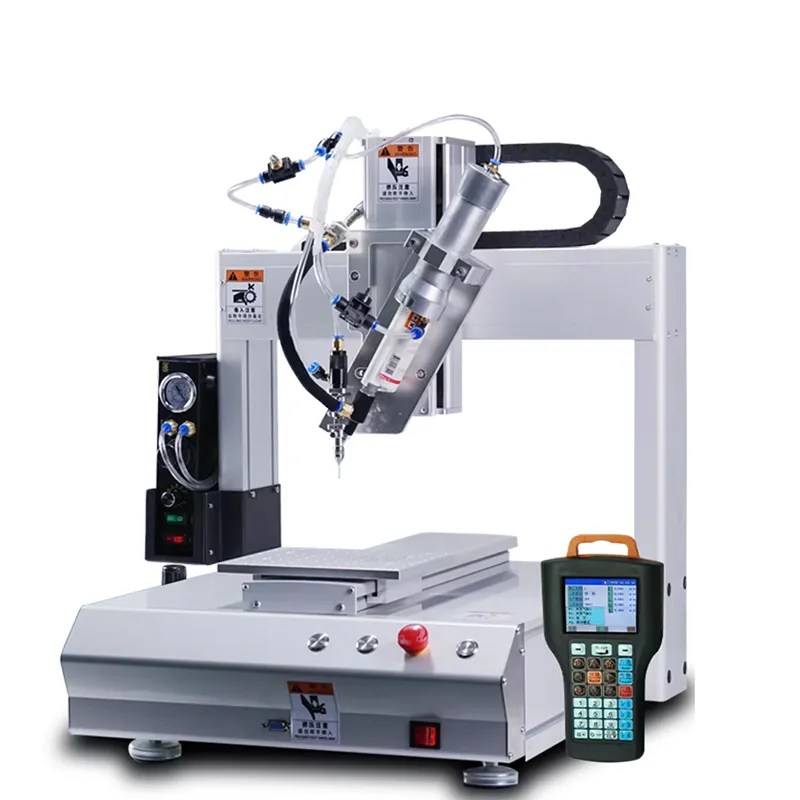
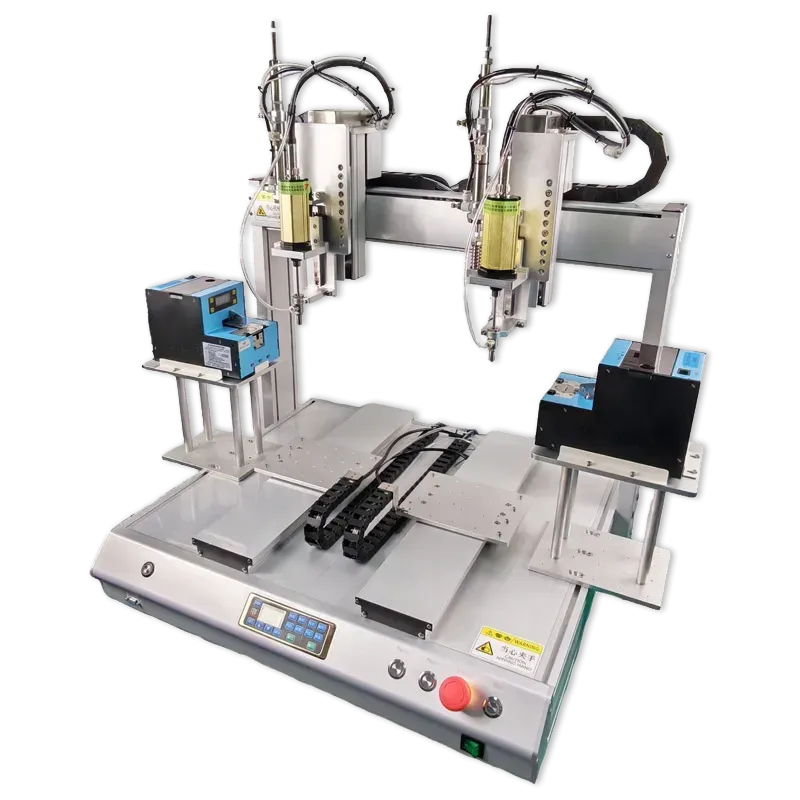
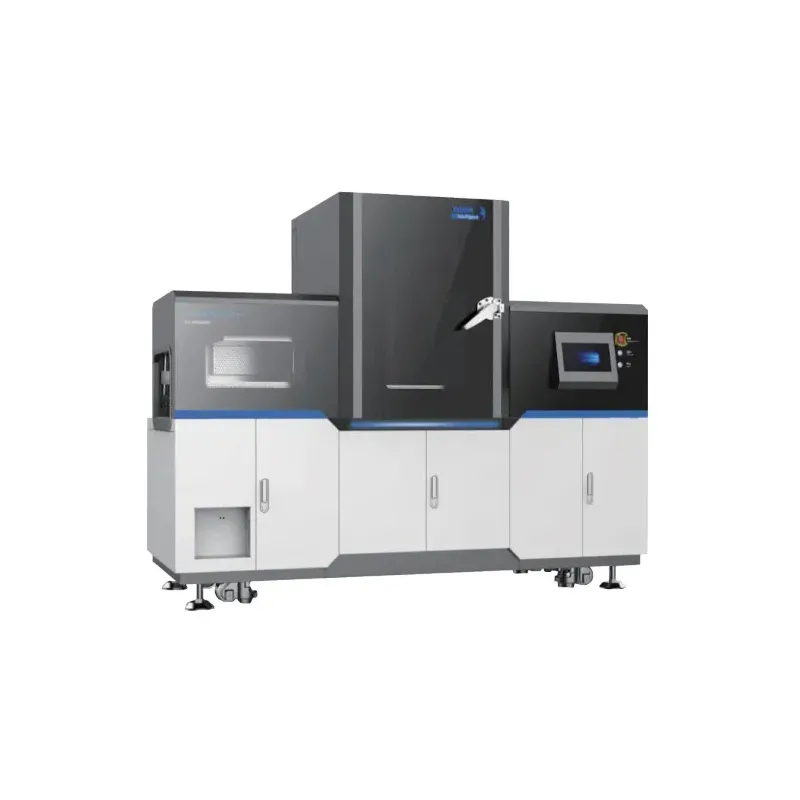
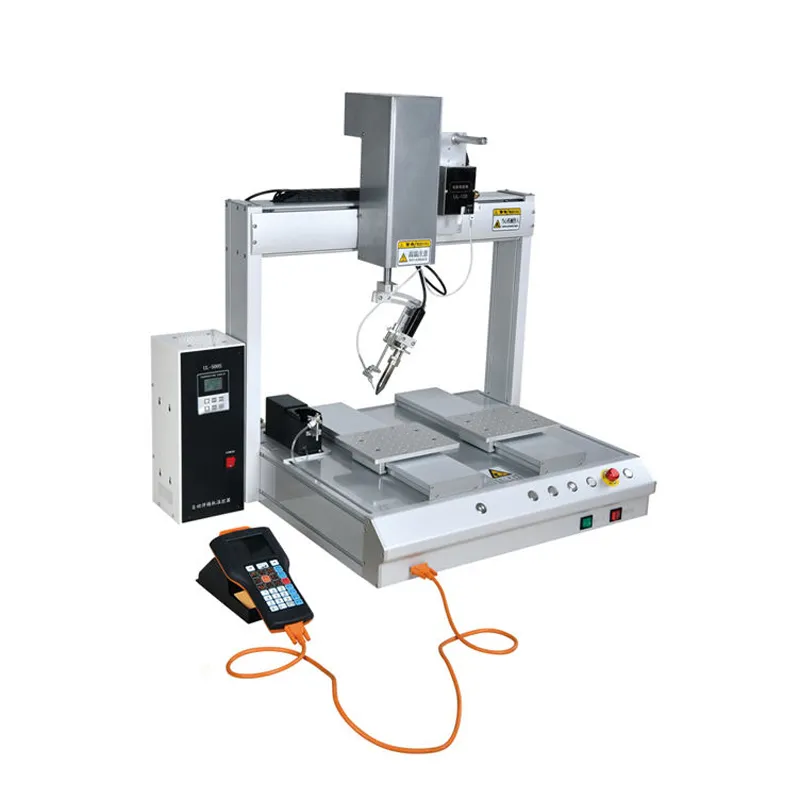
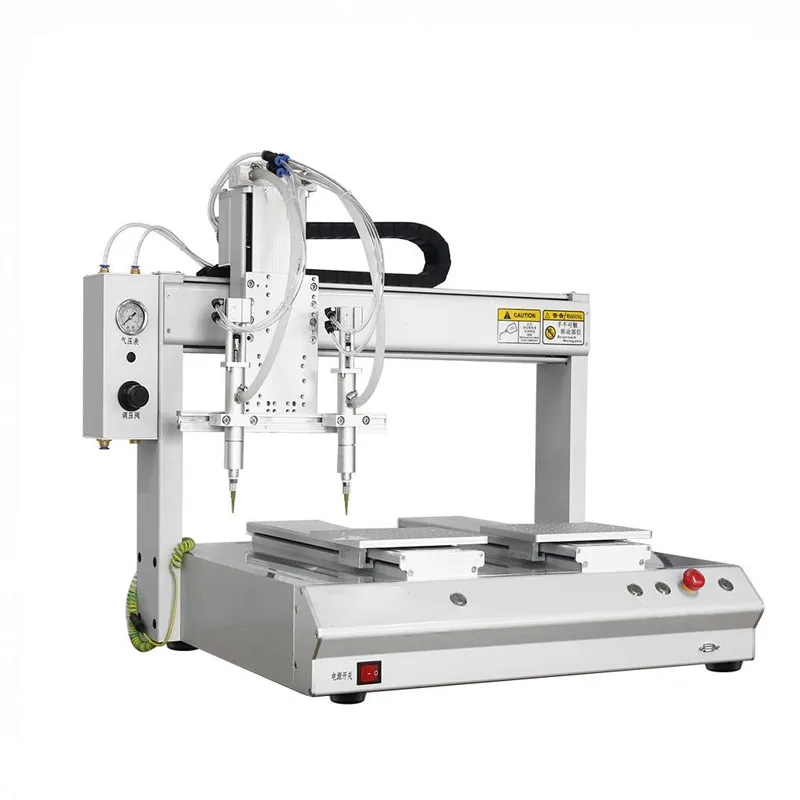
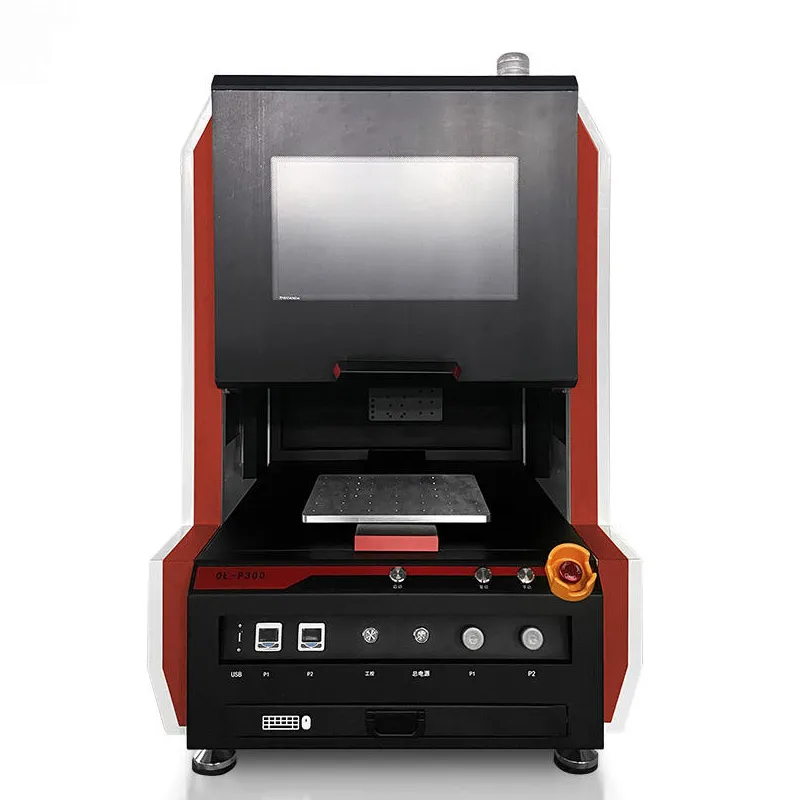
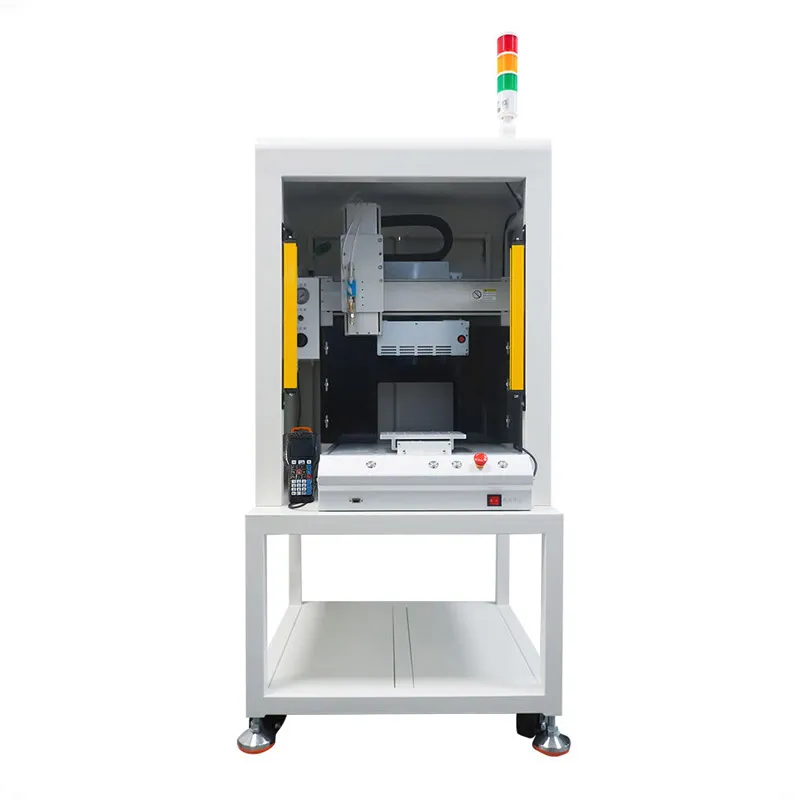
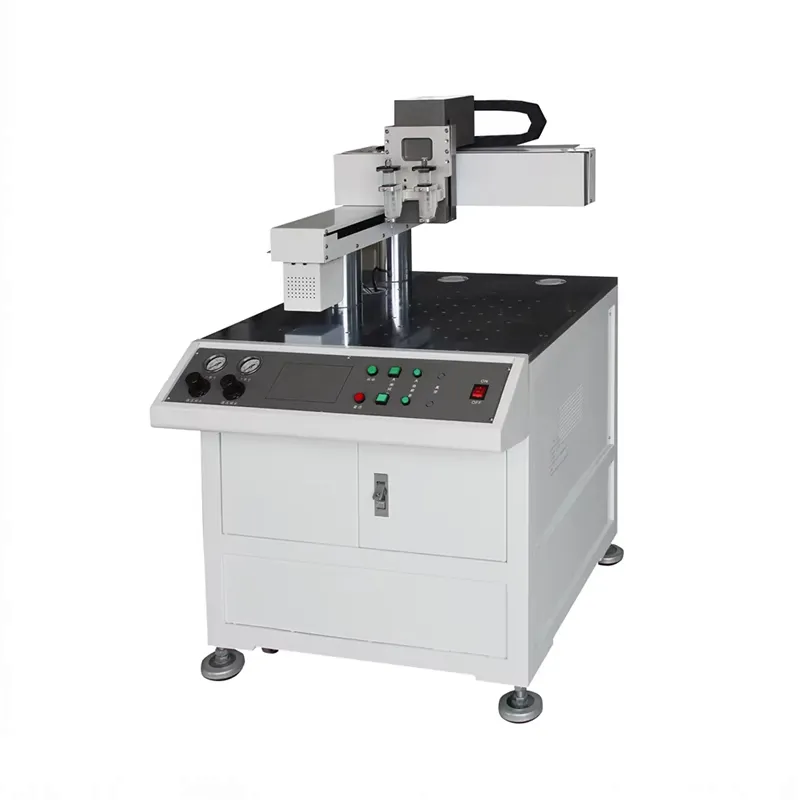
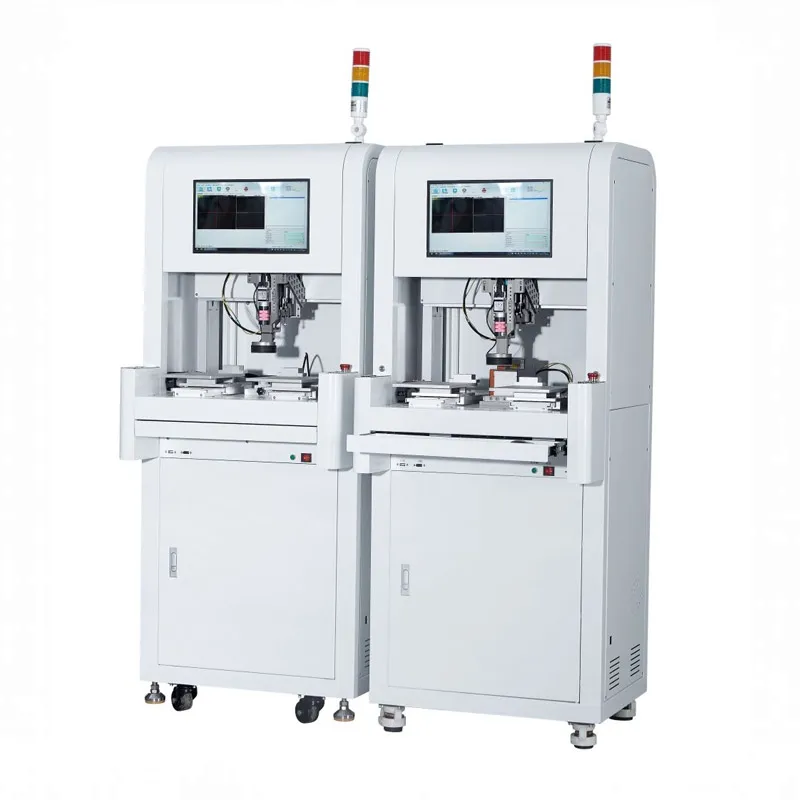
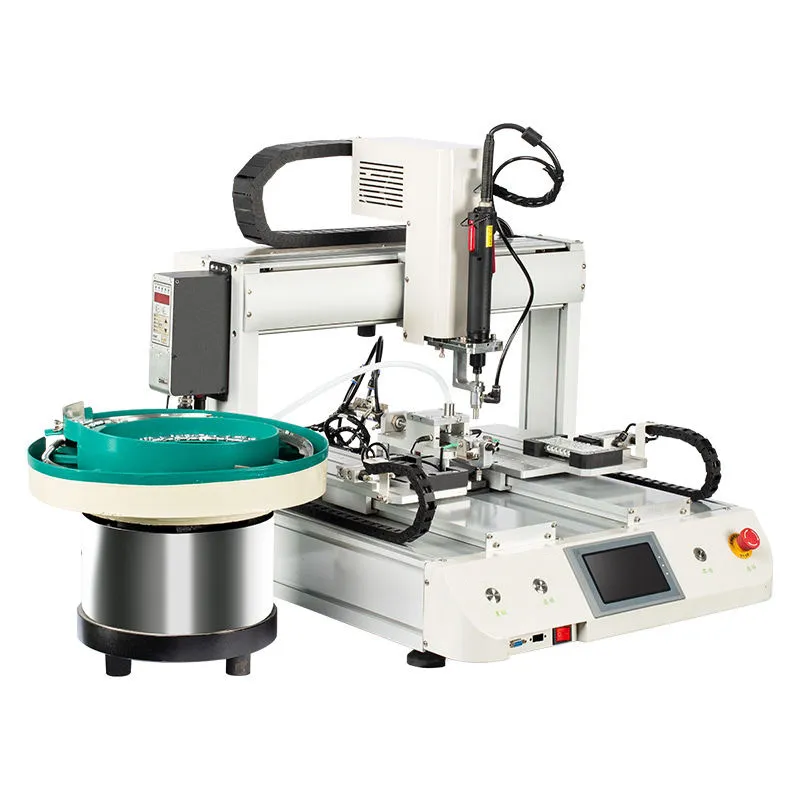
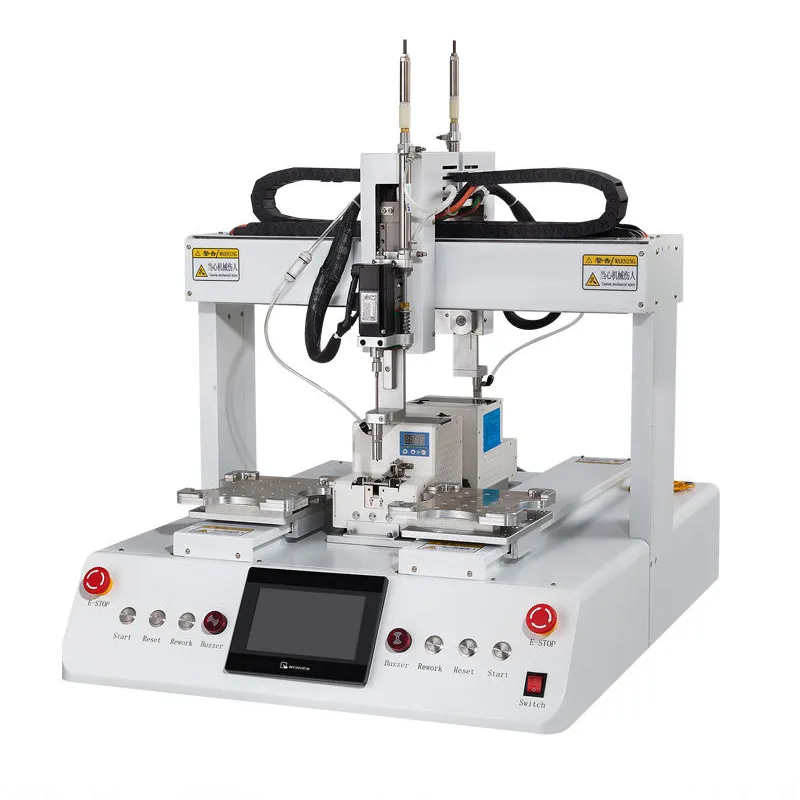
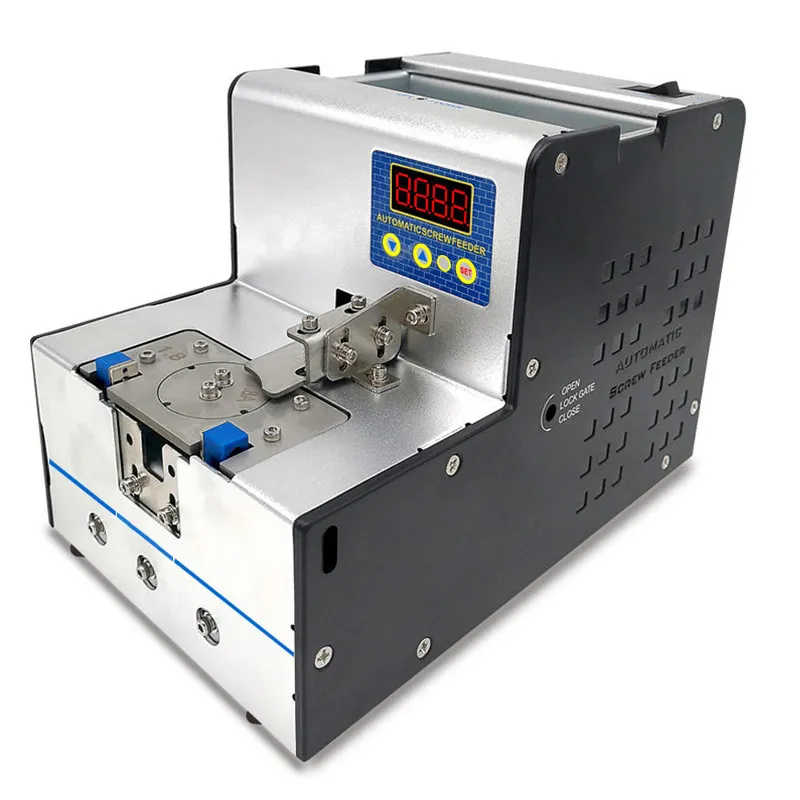
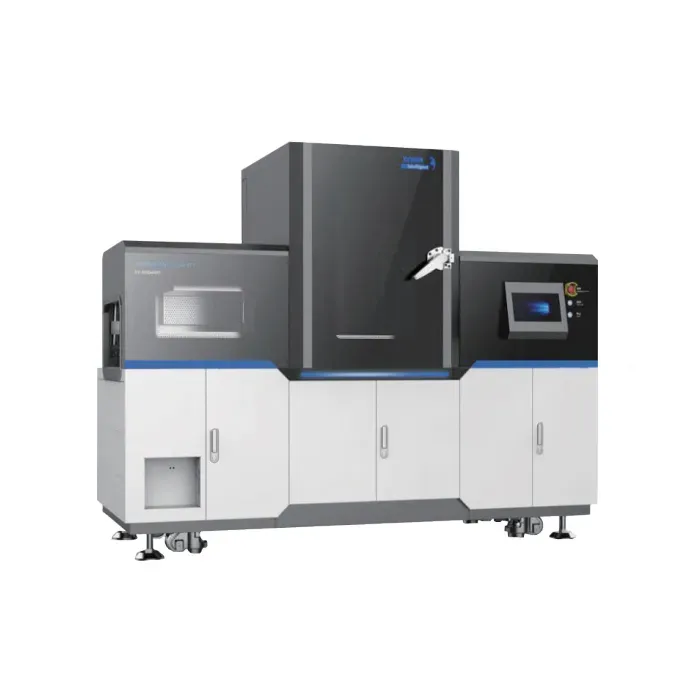
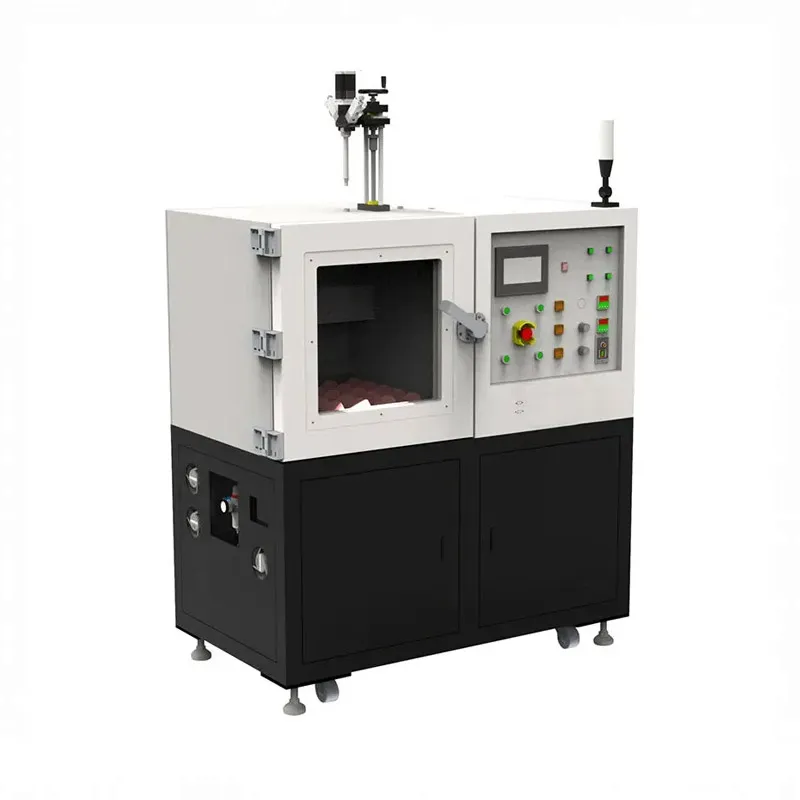
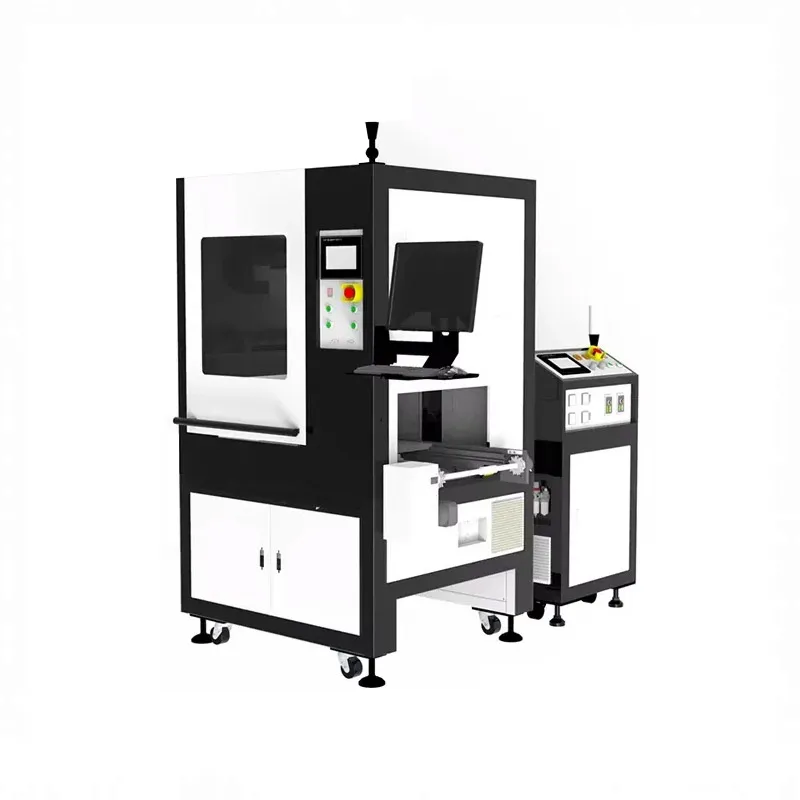
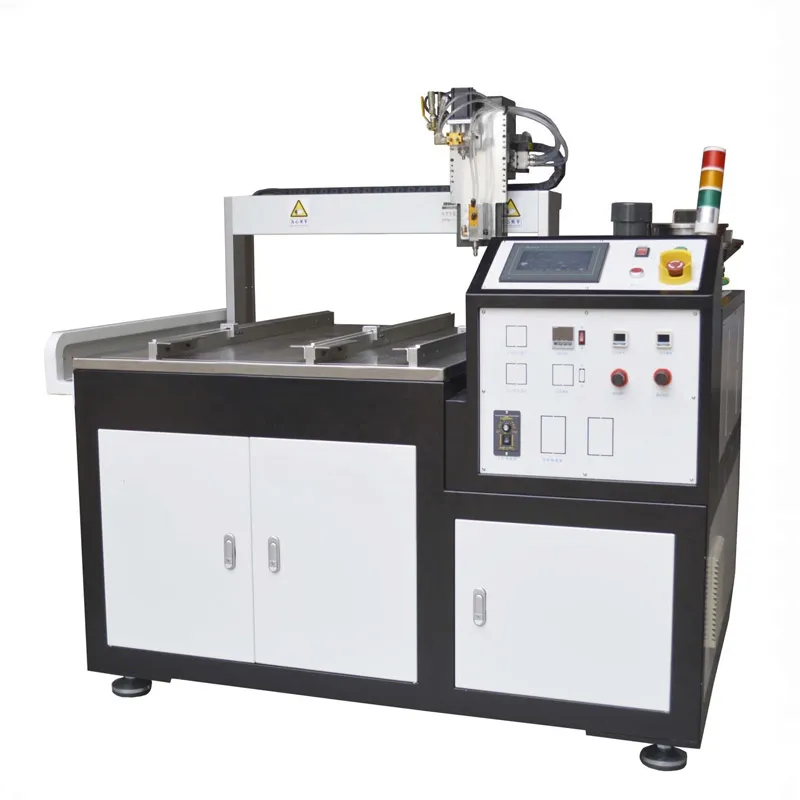
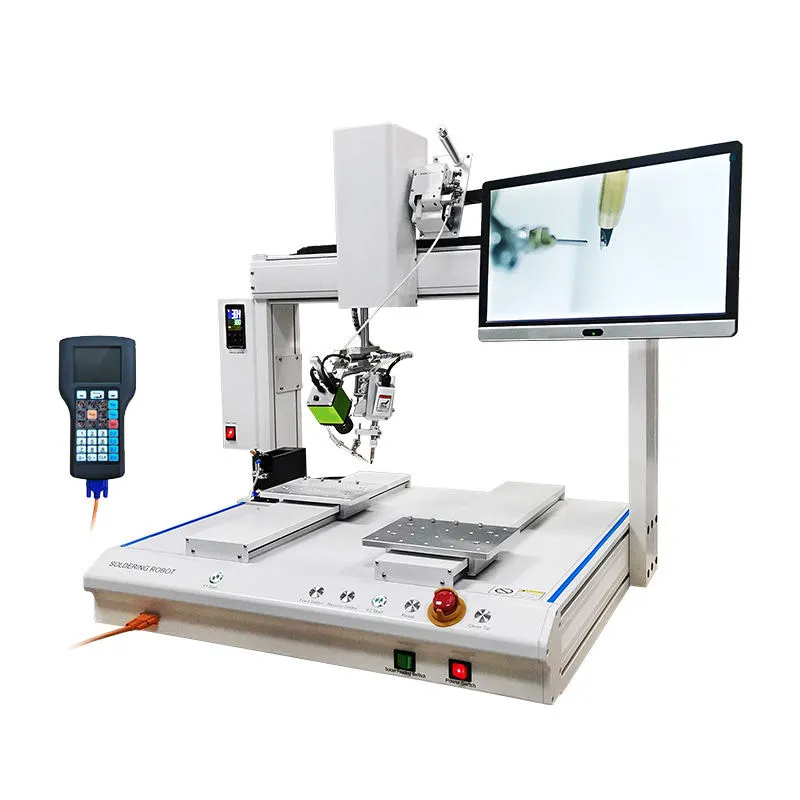
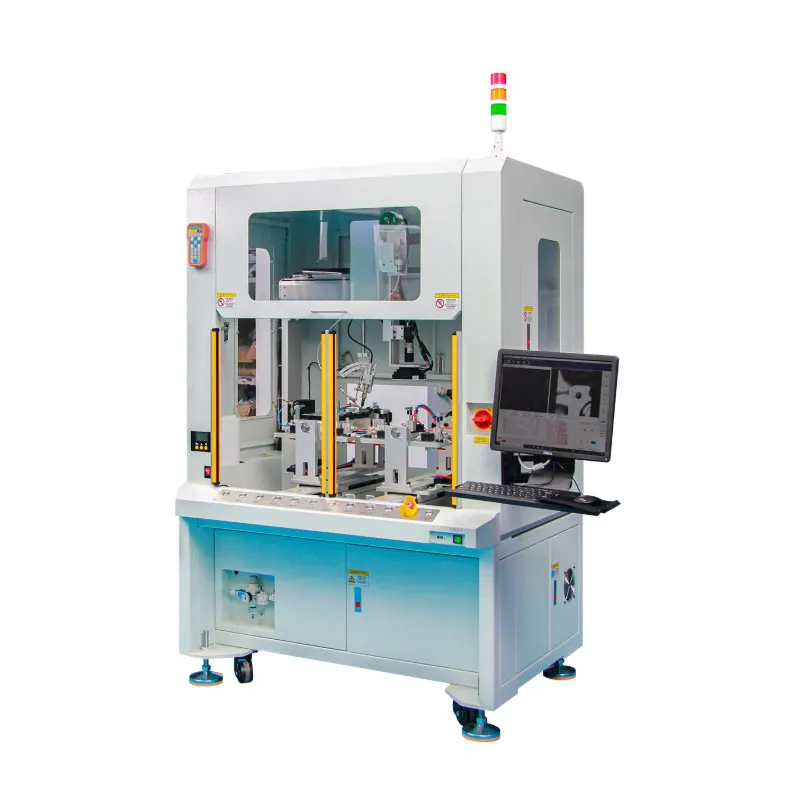
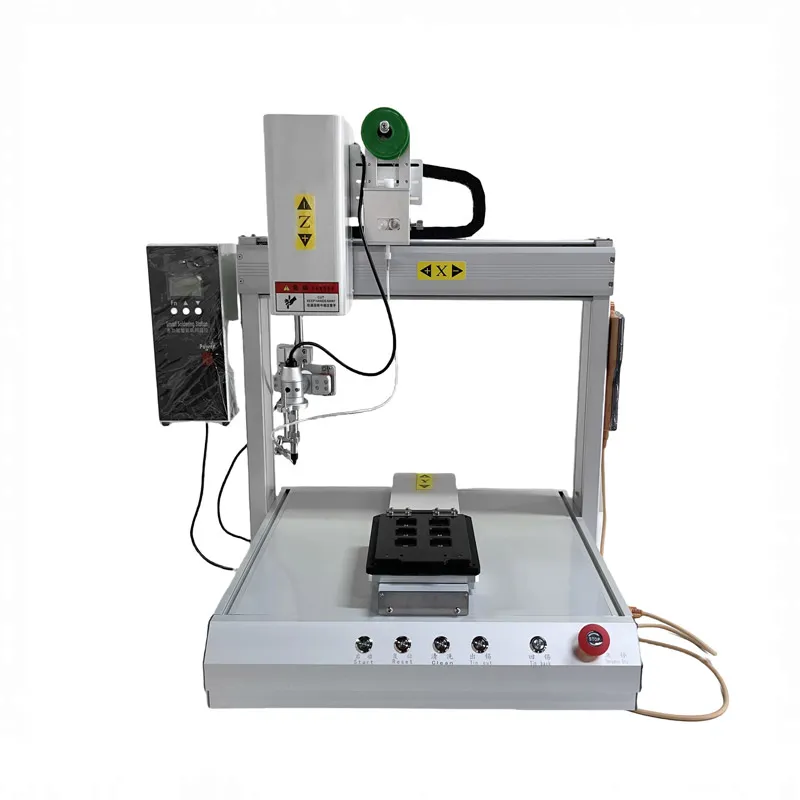
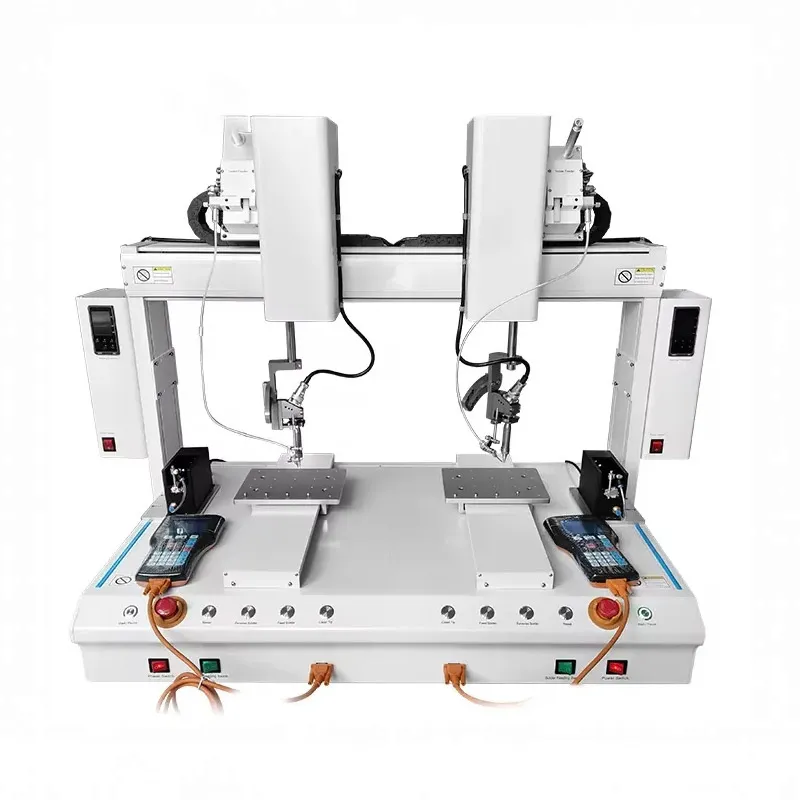
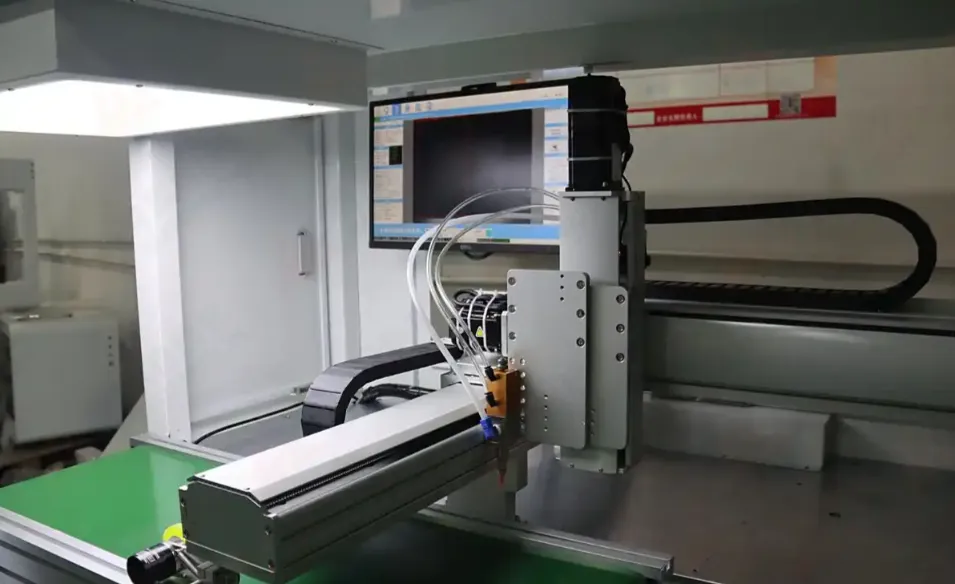
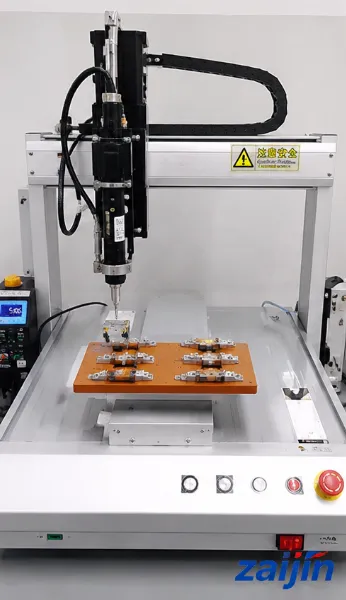
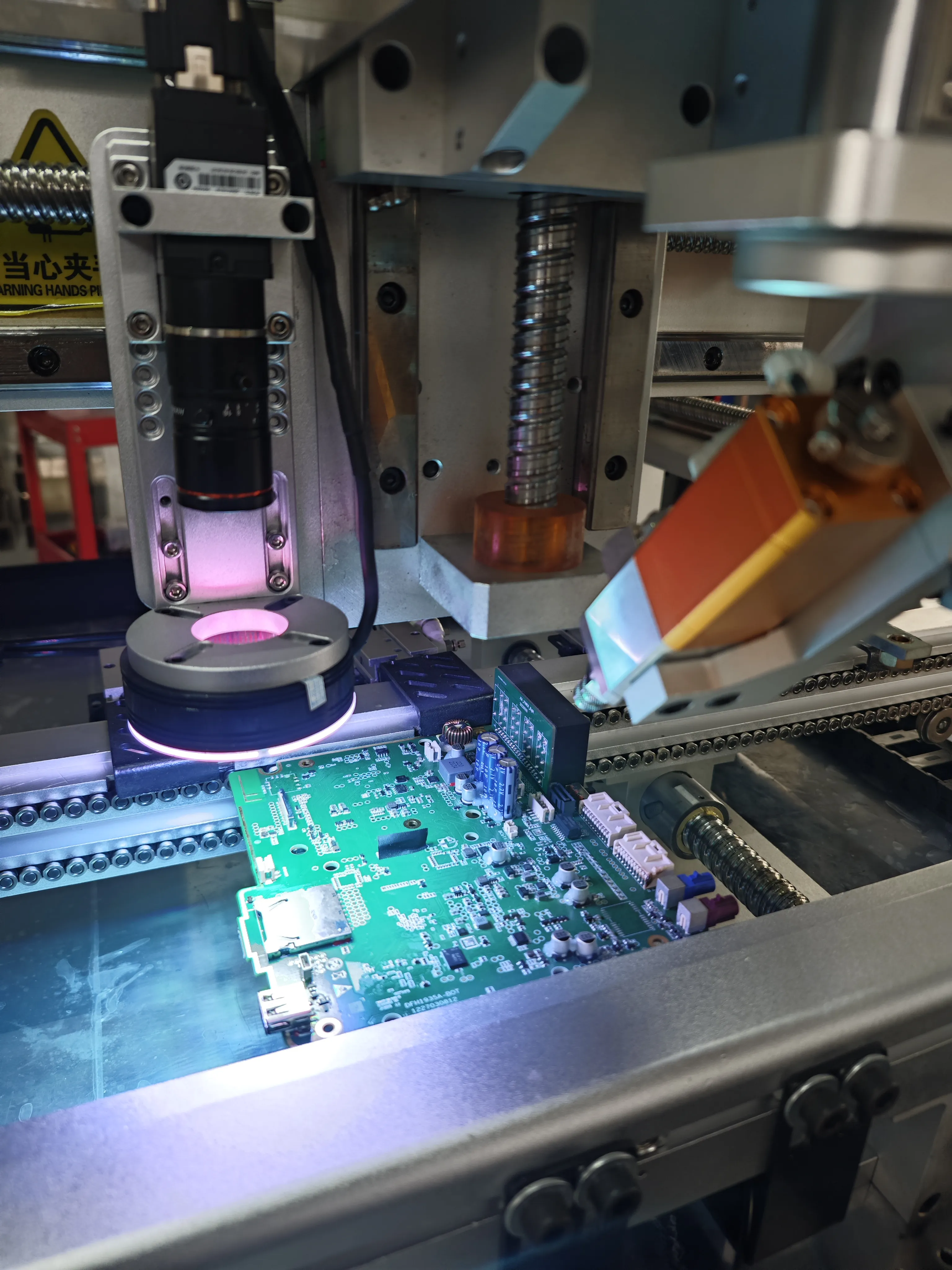
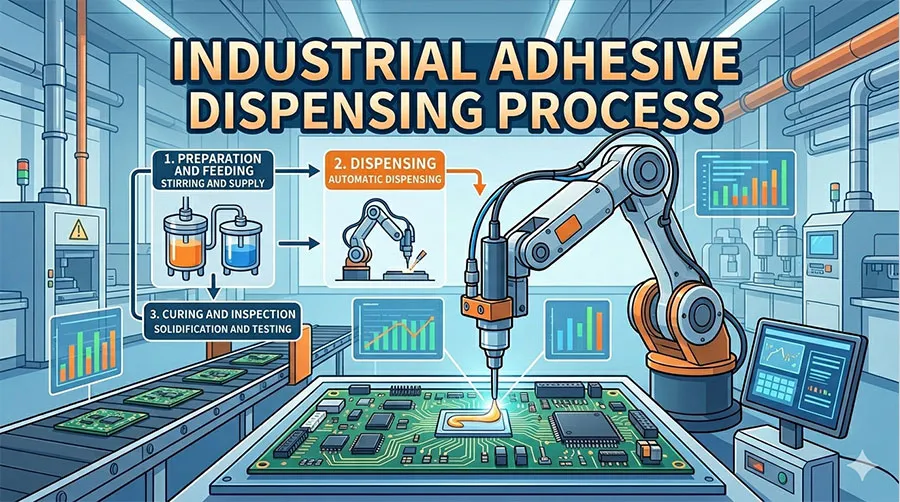
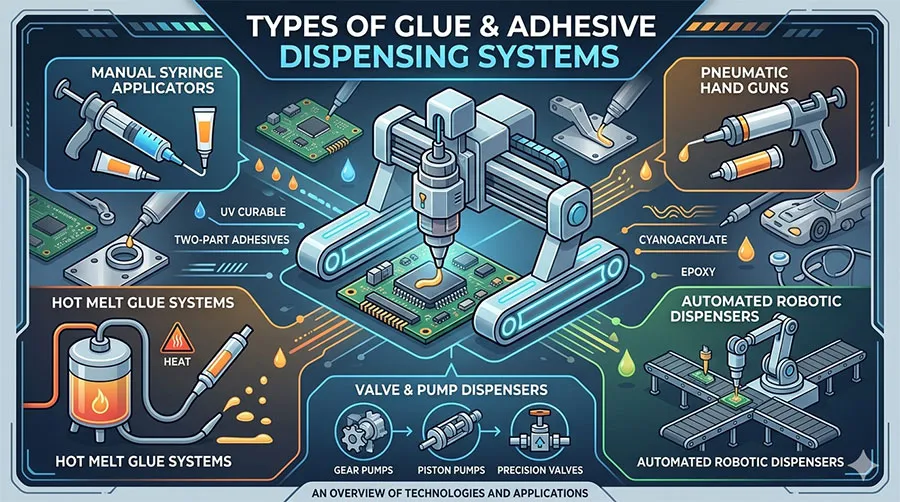
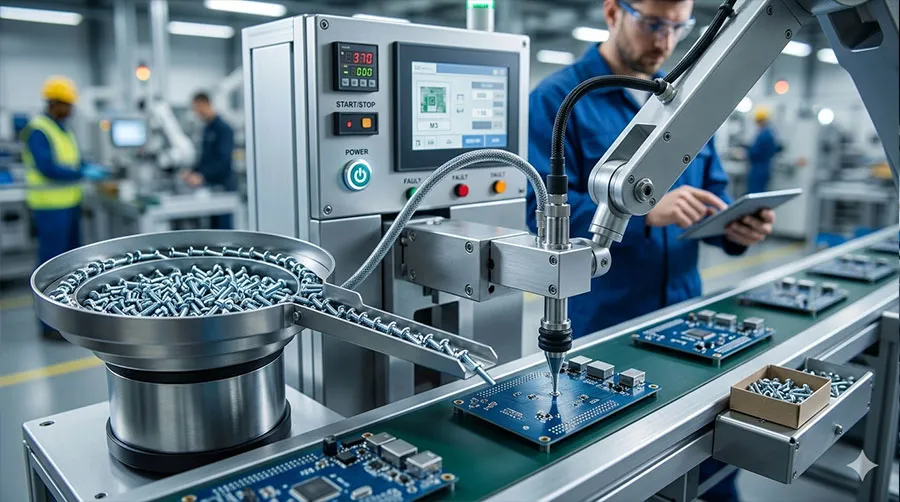
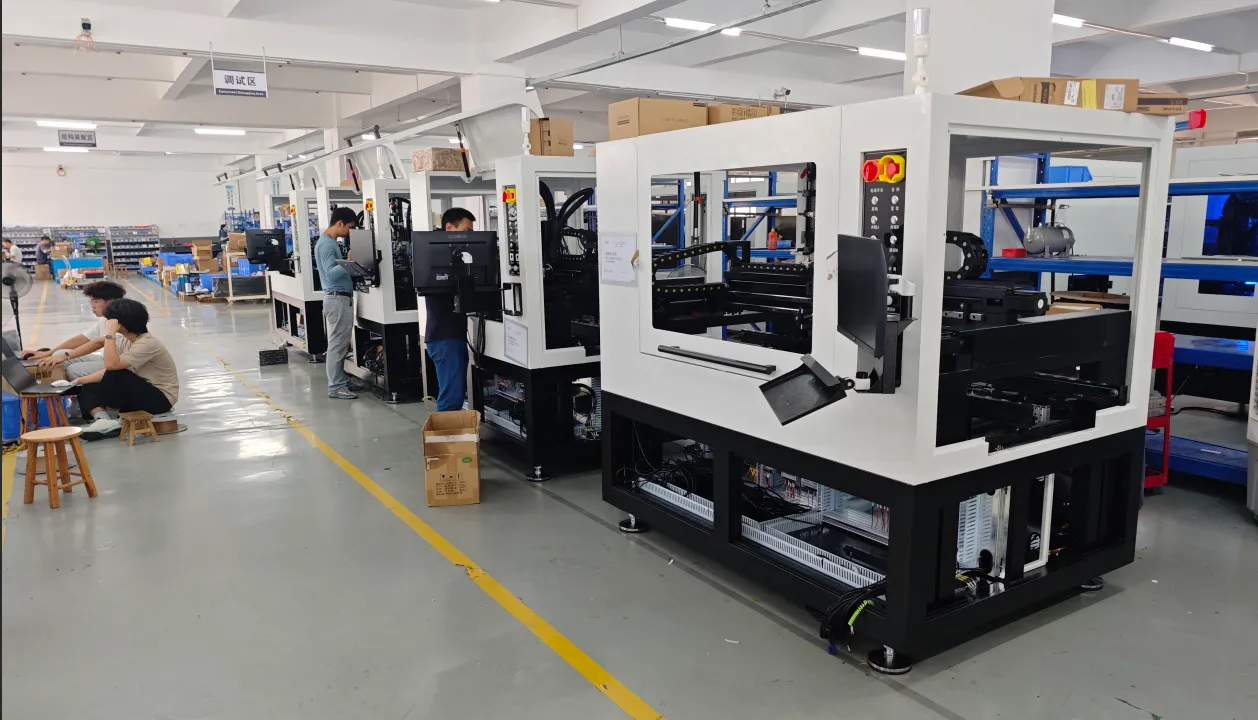
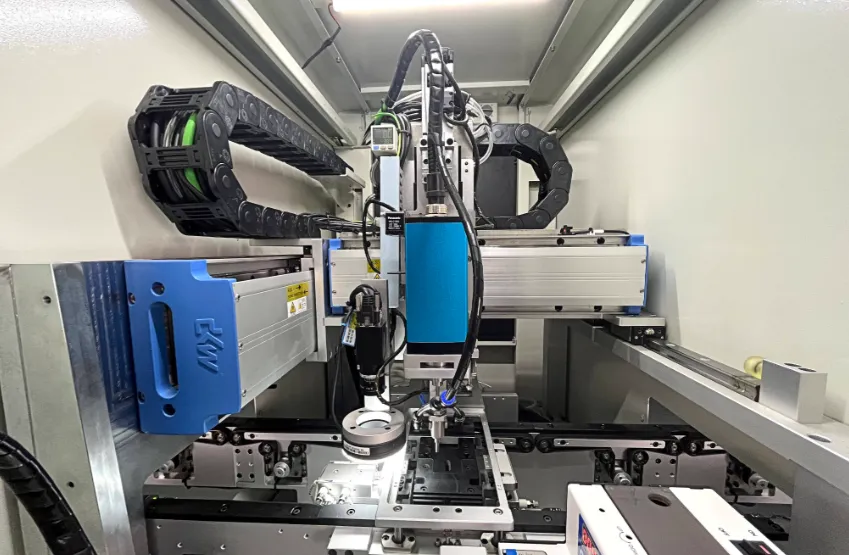
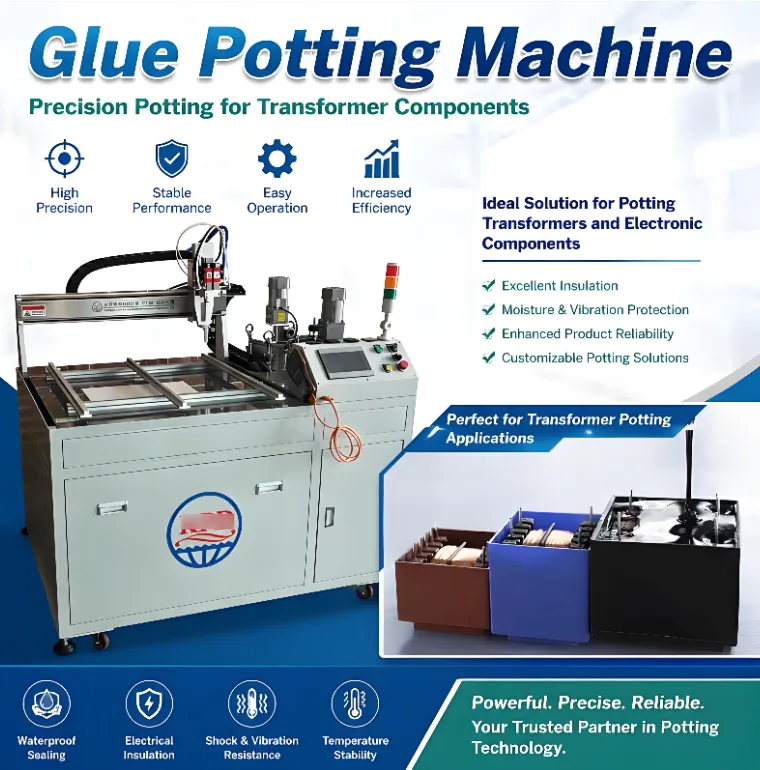
Smart wearables – from watches and glasses to fitness trackers – demand manufacturing processes that match their miniature size, complex internals, and high reliability requirements. Dispensing machines have become essential in this space, delivering the precision, speed, and consistency needed to apply adhesives on micro‑scale components. By combining automation with programmability, these systems enable manufacturers to scale production while maintaining stringent quality standards, ultimately enhancing both product durability and user satisfaction.
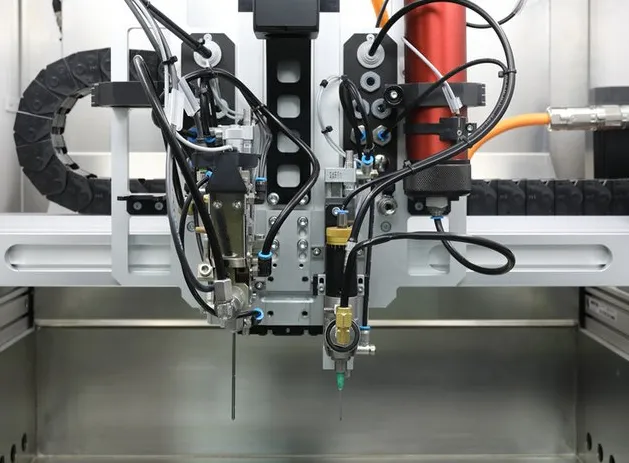
Smart wearable devices – such as smartwatches, smart glasses, and fitness trackers – have experienced rapid growth in recent years and have become an integral part of modern life. These devices not only incorporate cutting‑edge technology but also demand superior durability and comfort. In their manufacturing process, dispensing machines play a critical role. The dispensing requirements for smart wearables call for high precision, high throughput, and outstanding reliability – and dispensing machines are precisely the key tools that meet these demands. This article explores the primary advantages of dispensing machines used in the production of smart wearable products.
1. High Precision and Consistency
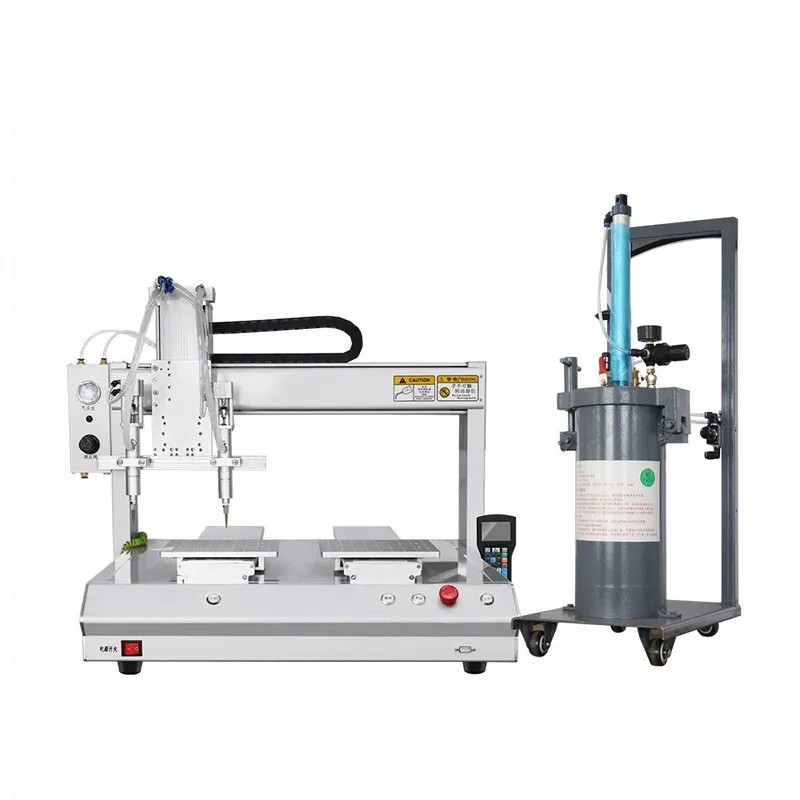
Smart wearable devices are typically compact in size and feature complex internal architectures, which impose extremely tight tolerances on adhesive dispensing. Dispensing machines, equipped with advanced control systems and precision motion components, operate at micron‑level accuracy. They ensure that adhesive is deposited exactly where it is needed, avoiding both under‑application and over‑application. This high‑precision dispensing not only enhances product performance but also reduces material waste and rework rates, thereby boosting overall production efficiency.
2. High Efficiency and Automation
Dispensing machines significantly improve production efficiency through automation. Traditional manual dispensing is not only time‑consuming but also prone to variability and errors. In contrast, modern automated dispensers can complete complex dispensing tasks in a fraction of the time, substantially shortening production cycles. This efficient, automated approach enables manufacturers to handle high‑volume orders, cuts labour costs, and minimises the risk of human‑induced defects.
3. Programmability and Customisation
Dispensing machines offer strong programmability, allowing rapid adjustments to accommodate different product designs and process requirements. This flexibility enables manufacturers to adapt easily to design changes and respond quickly to evolving market trends. Through customised programming and parameter settings, dispensers can execute precise glue paths and volume controls, thereby maximising product quality and consistency.
4. Enhanced Product Reliability
Finally, a high‑quality dispensing process directly contributes to the reliability of smart wearable products. By precisely controlling adhesive placement, dispensing machines ensure that all components are securely bonded, preventing loosening or failure during everyday use. This not only extends the service life of the device but also improves the end‑user experience.
The manufacturing of smart wearable products demands highly sophisticated processes, and dispensing machines – with their precision, efficiency, reliability, and flexibility – play an irreplaceable role in this domain. As technology continues to advance, these machines will remain a cornerstone of smart wearable production, offering manufacturers even greater advantages and new possibilities in the years ahead.