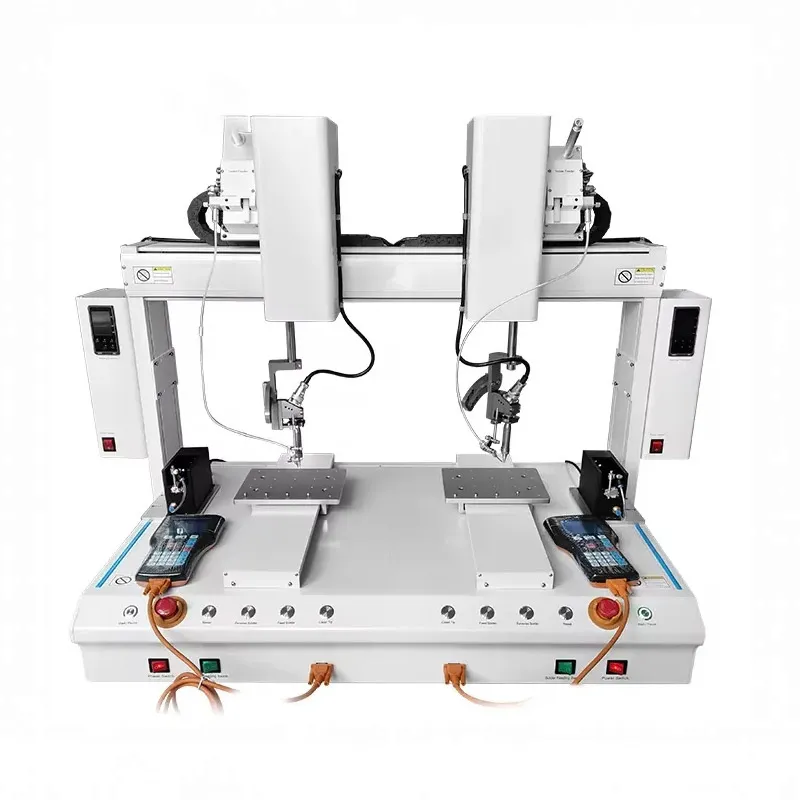
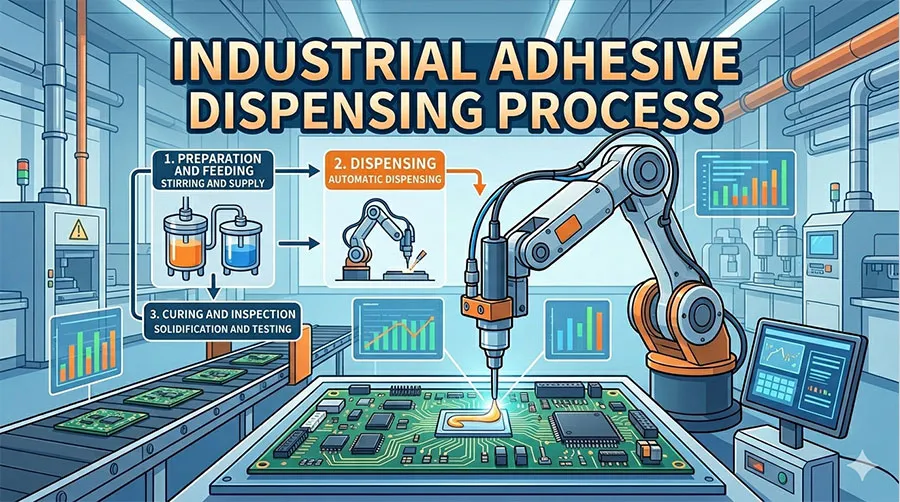
Selecting the wrong glue dispensing valve causes dripping, clogging, and rework. Based on 20 years of hands‑on experience, this article provides three key questions to guide selection:
1. Fluid characteristics – Thin fluids (solvents, fluxes) require a seated needle or spray valve to prevent dripping. Thick pastes (solder paste, thermal grease) need an auger (screw) valve to avoid filler crushing. Medium viscosity fluids work with time‑pressure valves but watch temperature sensitivity.
2. Dot size & speed – Sub‑millimeter, high‑speed applications demand a piezoelectric jet valve (500+ dots/sec). Larger, slower dots can use spool or diaphragm valves.
3. Maintenance commitment – Auger valves need weekly cleaning; diaphragm valves last months but don’t handle abrasives; jet valves wear nozzles every 500k–1M shots. Avoid cheap imports with no spare parts support.
A quick decision table is included. Final advice: always test the valve with your actual glue and substrate before purchasing. A good valve makes dispensing boring – and boring is beautiful.
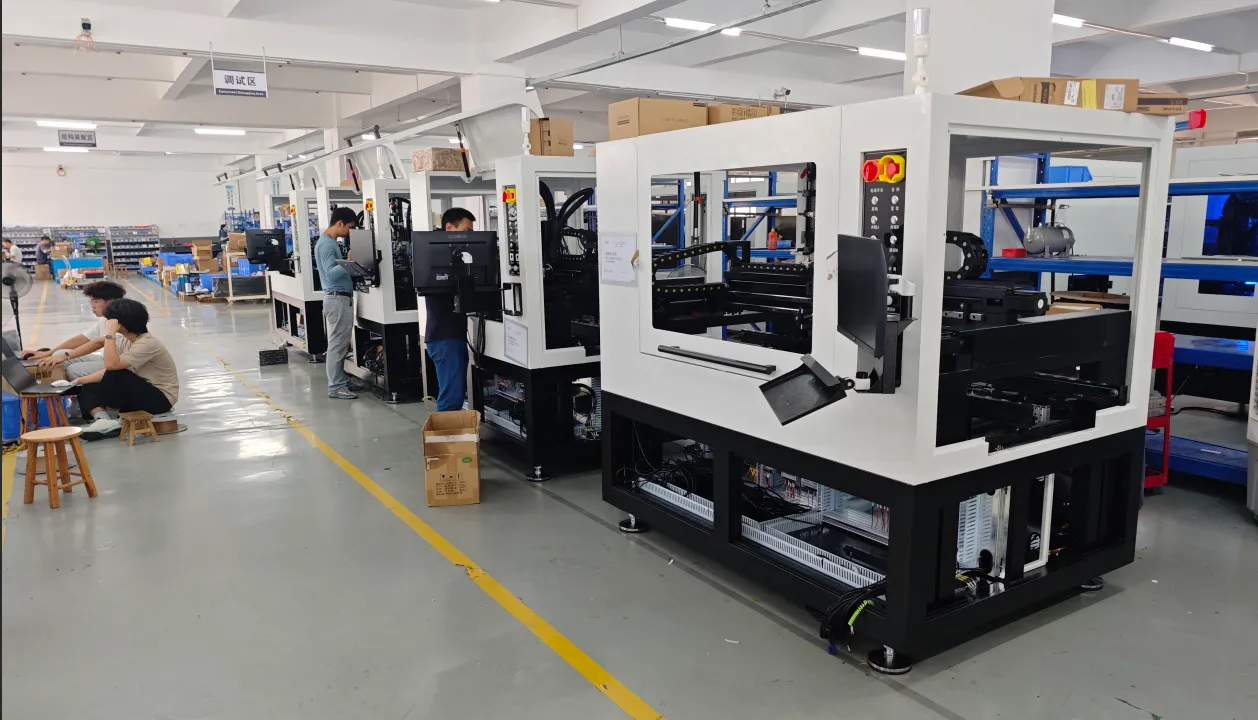 I’ve lost count of how many customers have called me after buying the wrong valve. “The spec sheet said it could handle our epoxy,” they say. “So why is it dripping all over our boards?” The answer is almost never the glue. It’s the mismatch between the valve and the real job.
After two decades of installing, rebuilding, and occasionally throwing valves across the lab, I’ve learned that choosing a dispensing valve comes down to three questions. Answer these first, and you’ll avoid 90% of the headaches.
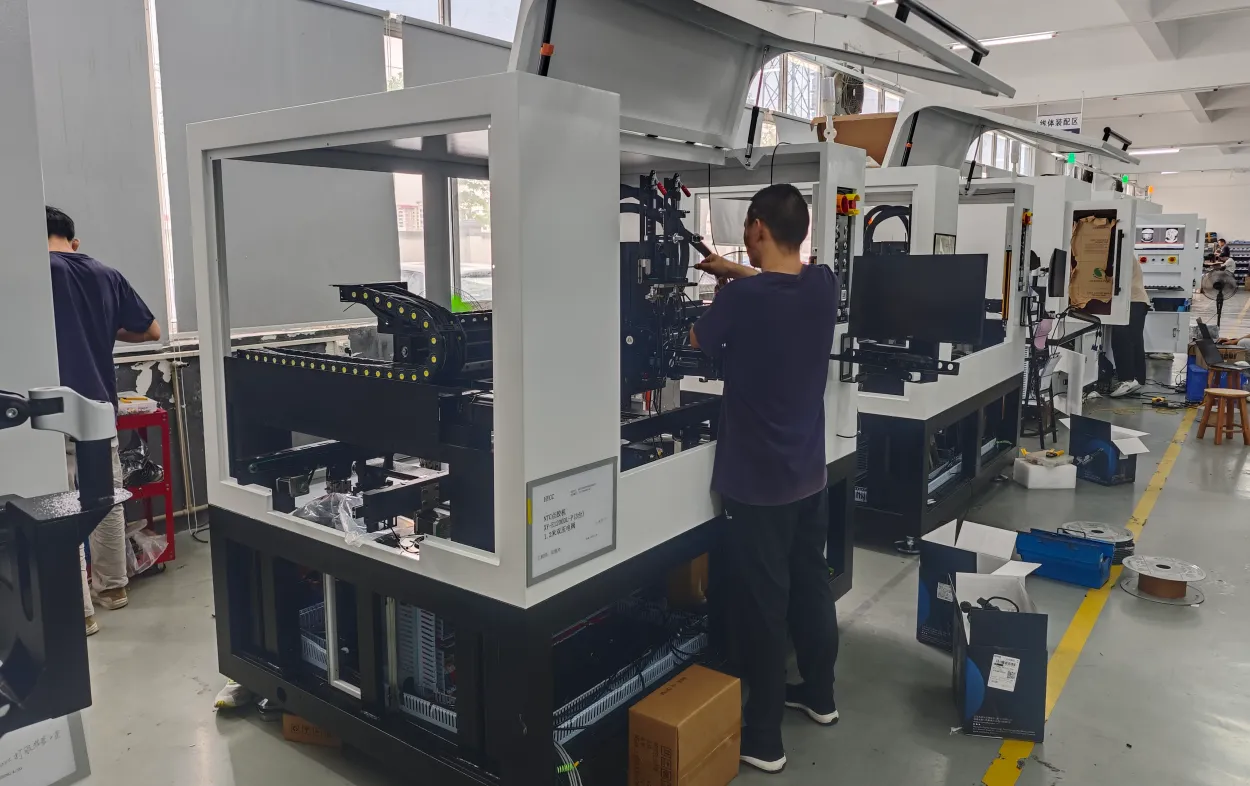
Question 1: What’s your glue made of – and how does it move?
This is where most buyers mess up. They look at viscosity (cPs) and stop. But viscosity is just one actor.
- **Thin, watery fluids** (solvents, fluxes, some cyanates): These need a **spray valve** or a **seated needle valve** with a spring‑loaded shut‑off. Without positive closure, they’ll drip between shots. I’ve seen a $5,000 board ruined by a single drop of capillary action.
- **Thick pastes** (solder paste, thermal grease, high‑fill epoxies): Use an **auger (screw) valve**. The Archimedes screw pushes material forward without crushing the filler particles. A diaphragm valve will choke on a 50µm silica filler – I guarantee it.
- **Medium viscosity, constant flow** (underfill, UV cure, silicone): A **time‑pressure valve** with a back-pressure regulator works fine. But remember: time‑pressure is sensitive to temperature. Your shop floor hits 35°C in August? Viscosity drops, dot size changes. If that’s your world, skip to a positive displacement valve.
Question 2: How small is your target – and how fast do you move?
Sub‑millimeter dots on a 0.3 mm pitch? You need a **piezoelectric jet valve**. No contact, 500+ dots per second, and no Z‑axis movement. Expensive? Yes – around $5k–8k. But it’s the only way to underfill a chip scale package without bridging.
Slower, larger dots (1 mm+) on a power supply board? A **spool valve** or **diaphragm valve** is fine. Save your budget.
Question 3: How much maintenance are you willing to do?
Every valve eventually needs cleaning. But some valves become religion.
Auger valves need weekly screw and barrel cleaning – about 20 minutes. Diaphragm valves last months between rebuilds but can’t handle abrasives. Jet valves are low‑contact but nozzles wear out every 500k–1M shots (cheap to replace, though).
The worst? Cheap imported time‑pressure valves with no parts support. I’ve watched production lines stop for two weeks because a $3 diaphragm tore and nobody had a spare. Buy from a supplier who stocks rebuild kits. Ask before you sign.
A quick decision table I keep on my wall
| Fluid type | Best valve type | Watch out for |
|------------|----------------|----------------|
| Water‑thin (1–500 cPs) | Needle seat or spray | Dripping / satellite drops |
| Medium (500–20k cPs) | Time‑pressure + regulator | Temp sensitivity |
| Thick paste (20k–1M cPs) | Auger (screw) | Filler settling |
| High speed / small dots | Piezoelectric jet | Nozzle wear |
Never buy a valve based only on a datasheet. Ask the supplier to run your glue – your exact bottle, your target substrate – on a demo unit. I do this in my lab every week. If they refuse, walk away.
After 20 years, I’ve learned that a valve is like a handshake: looks fine on paper, but you only know when you feel it. Get the feel right, and dispensing becomes boring. And boring is beautiful.