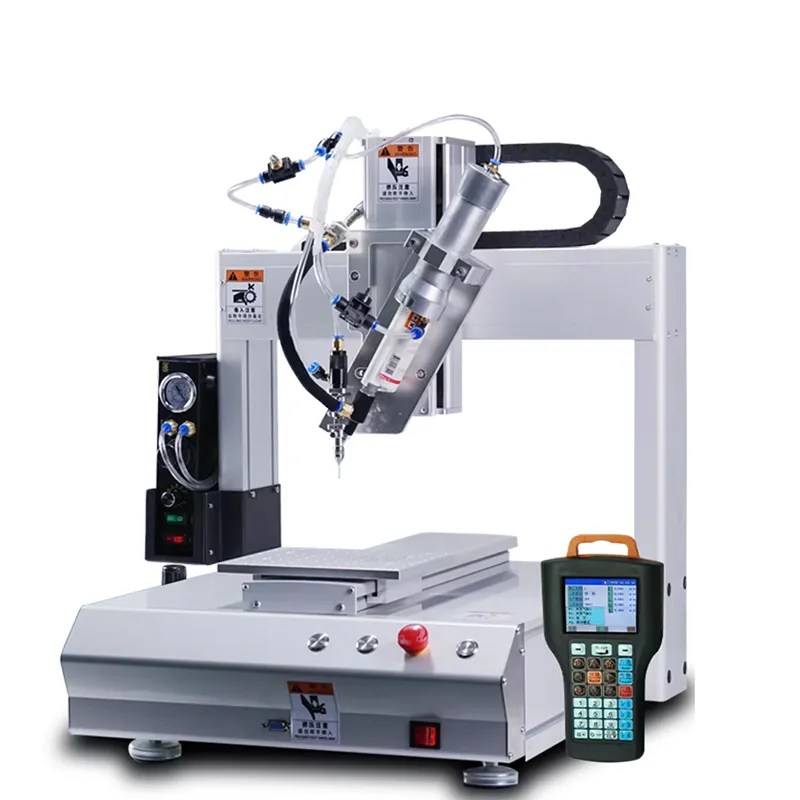
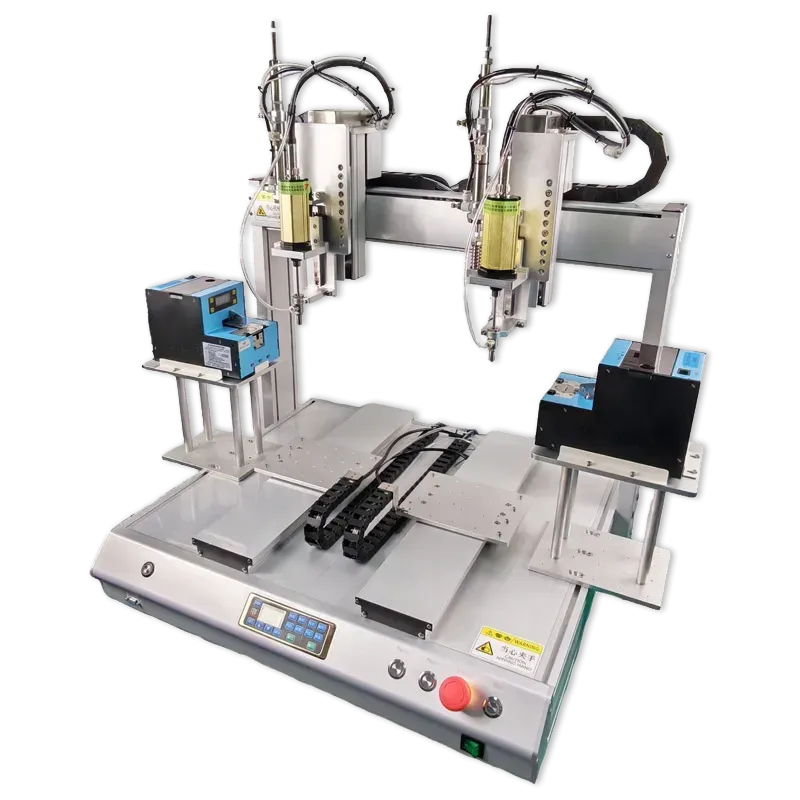
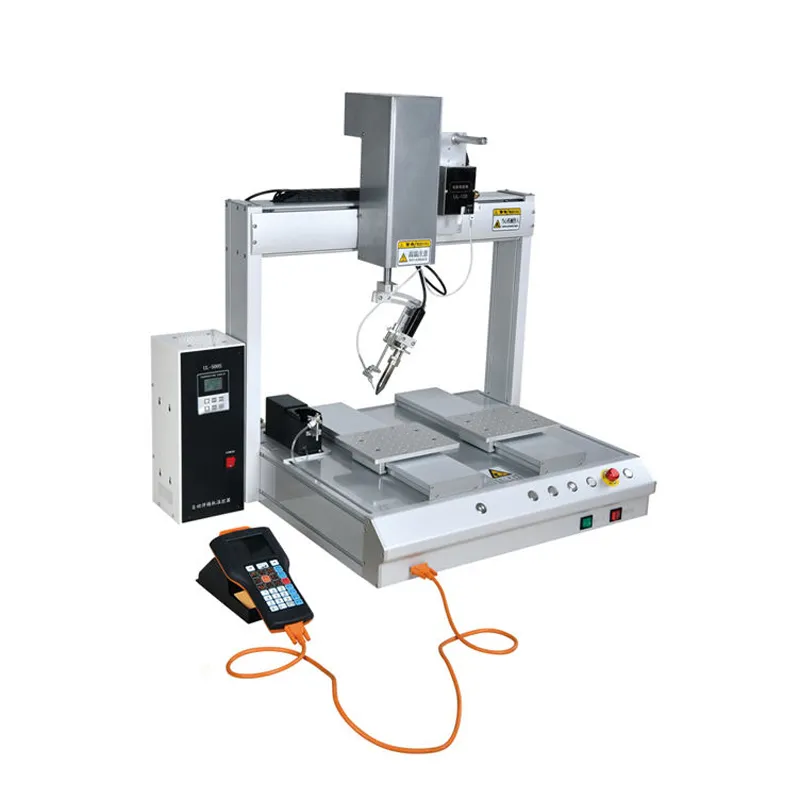
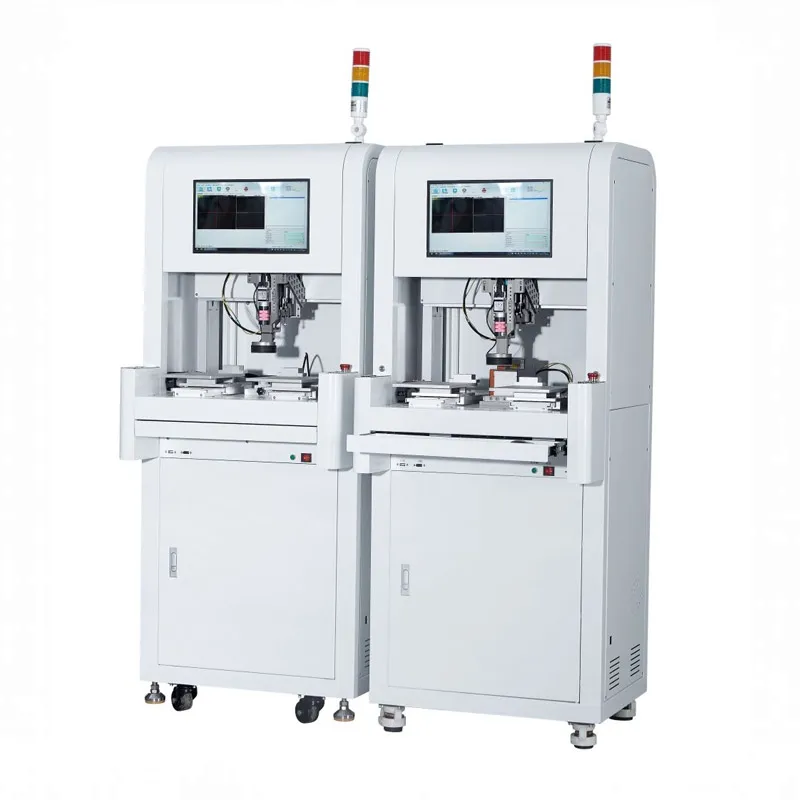
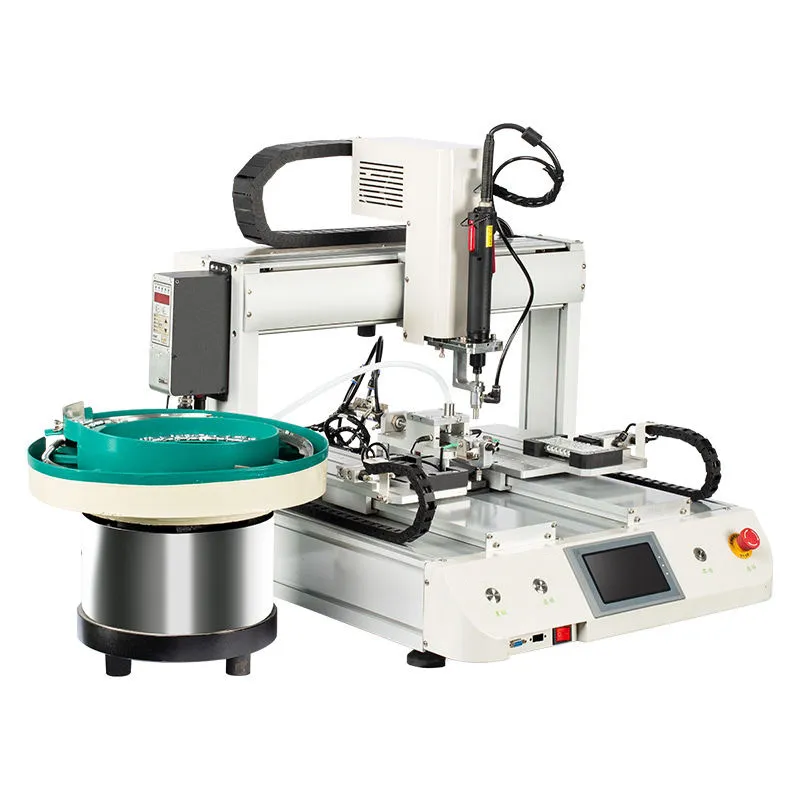
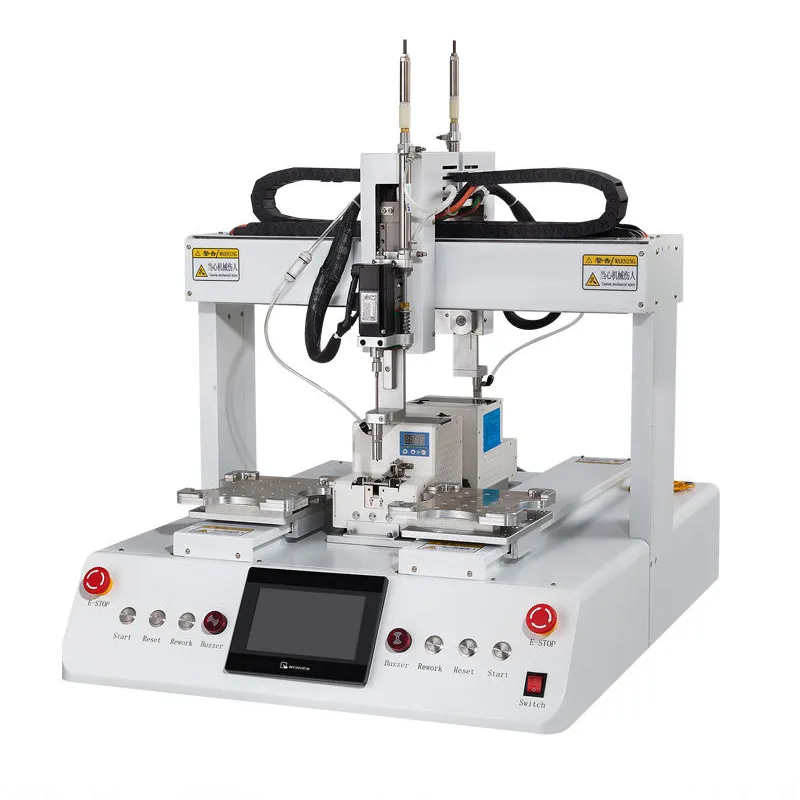
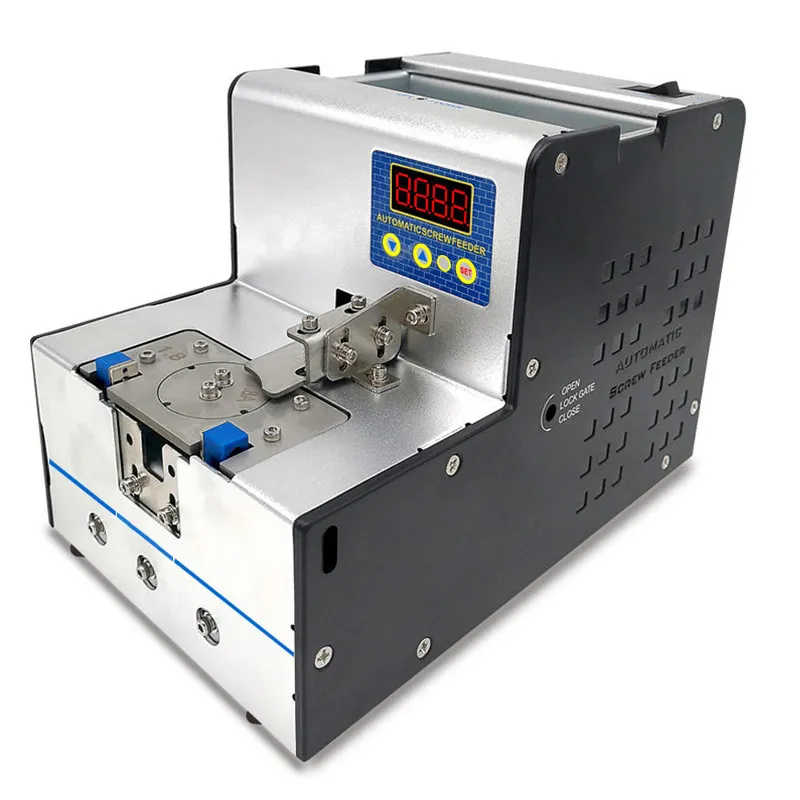
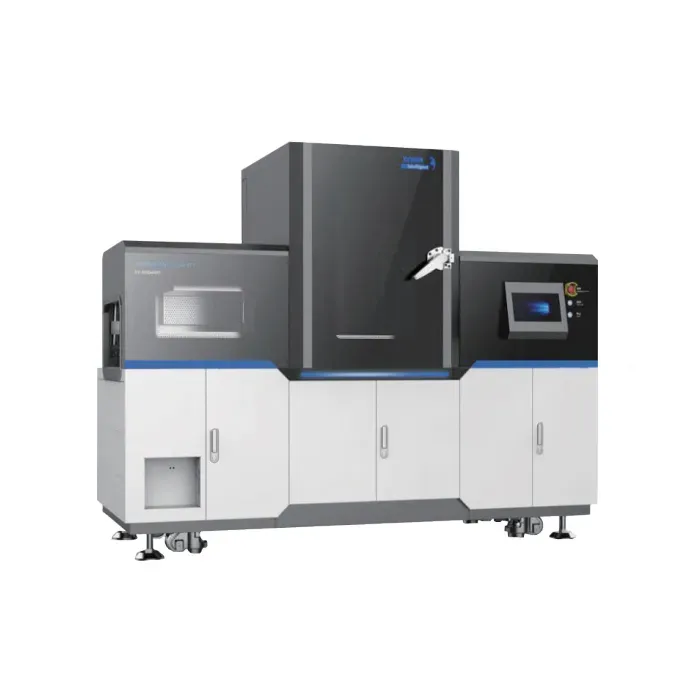
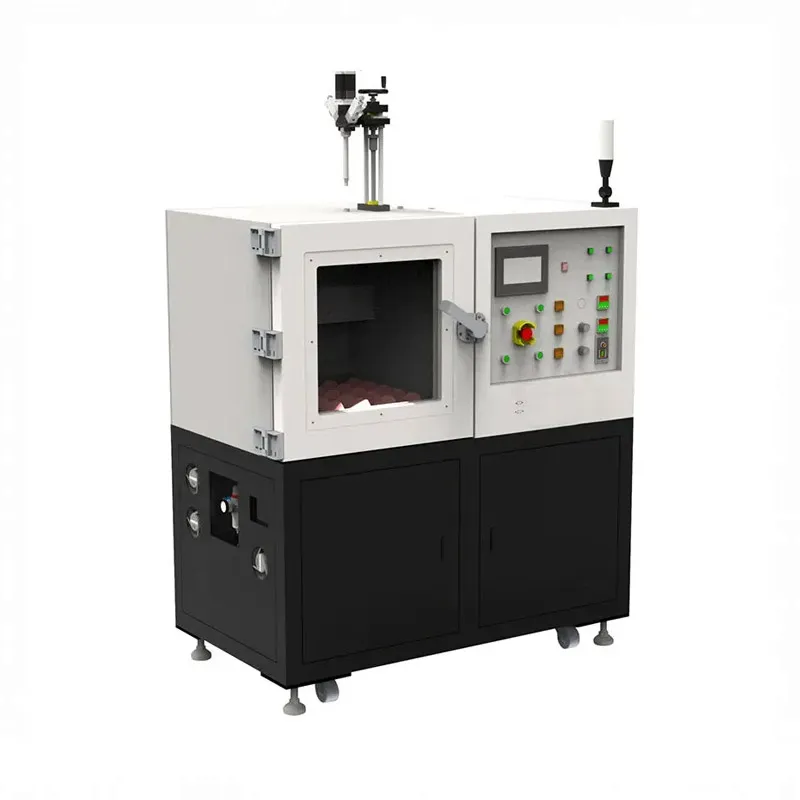
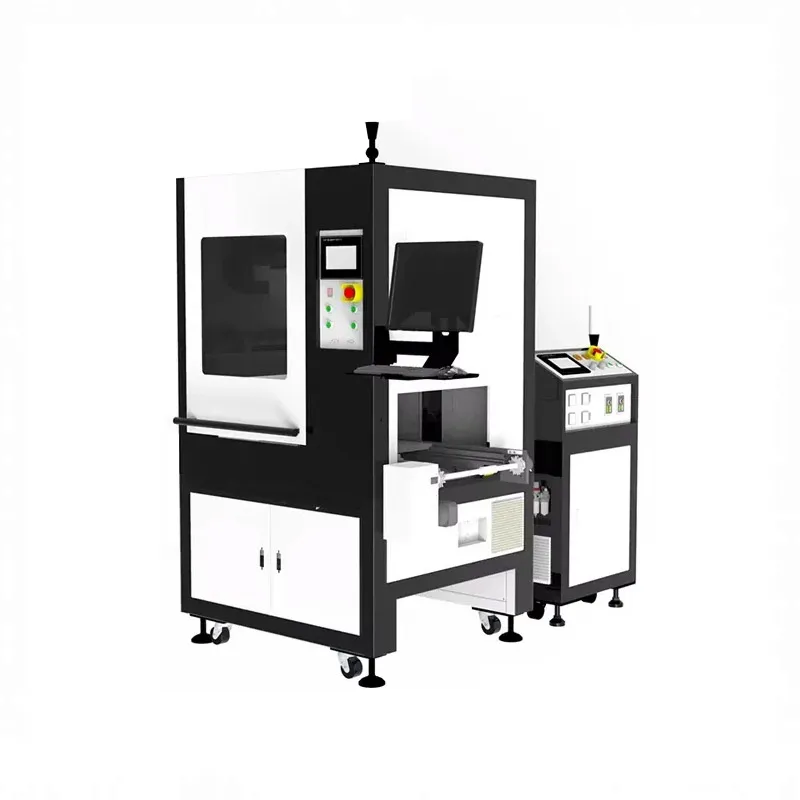
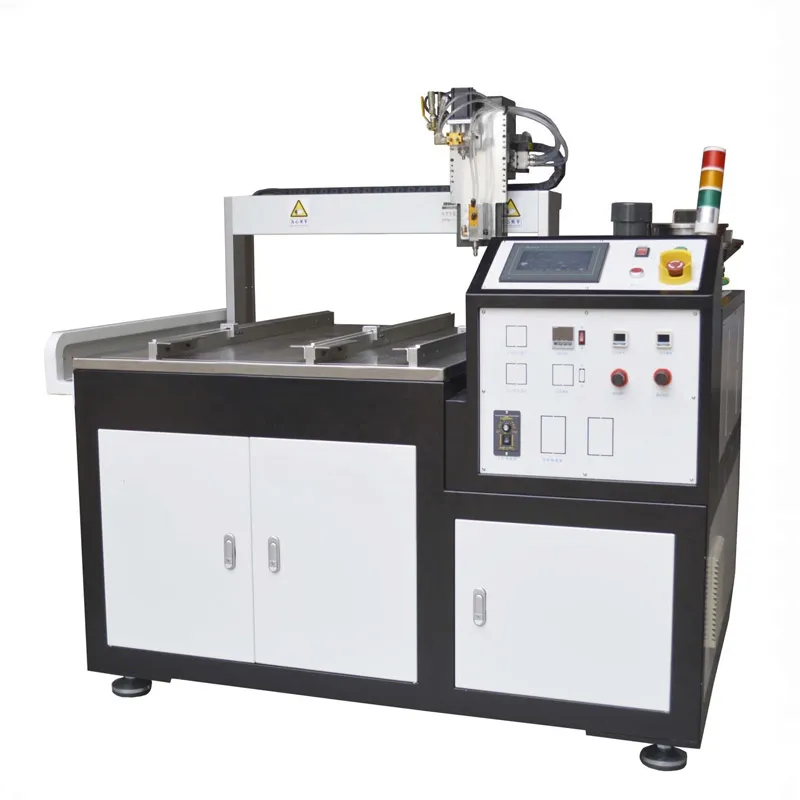
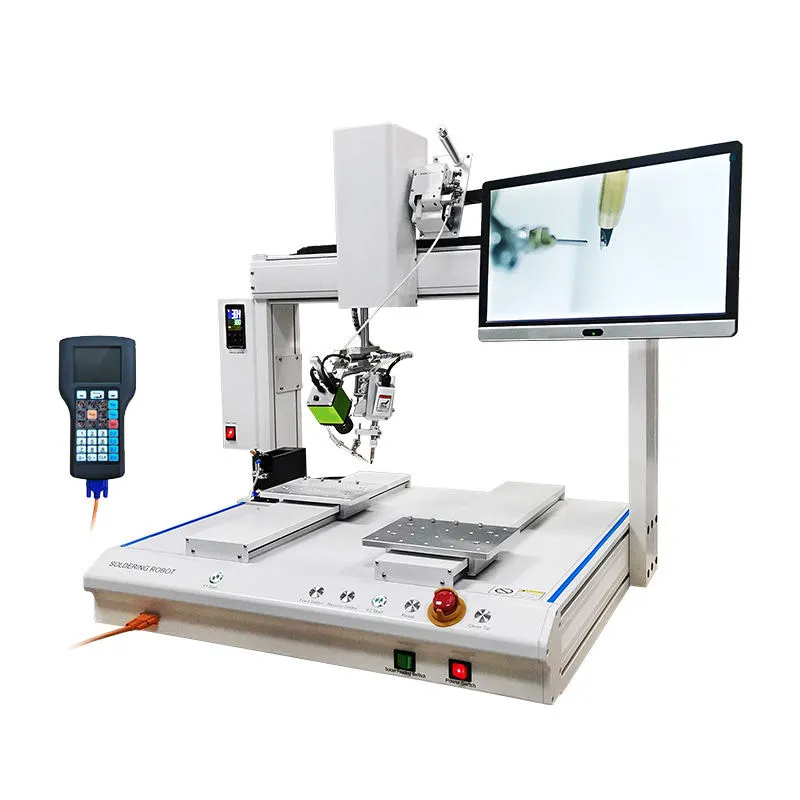
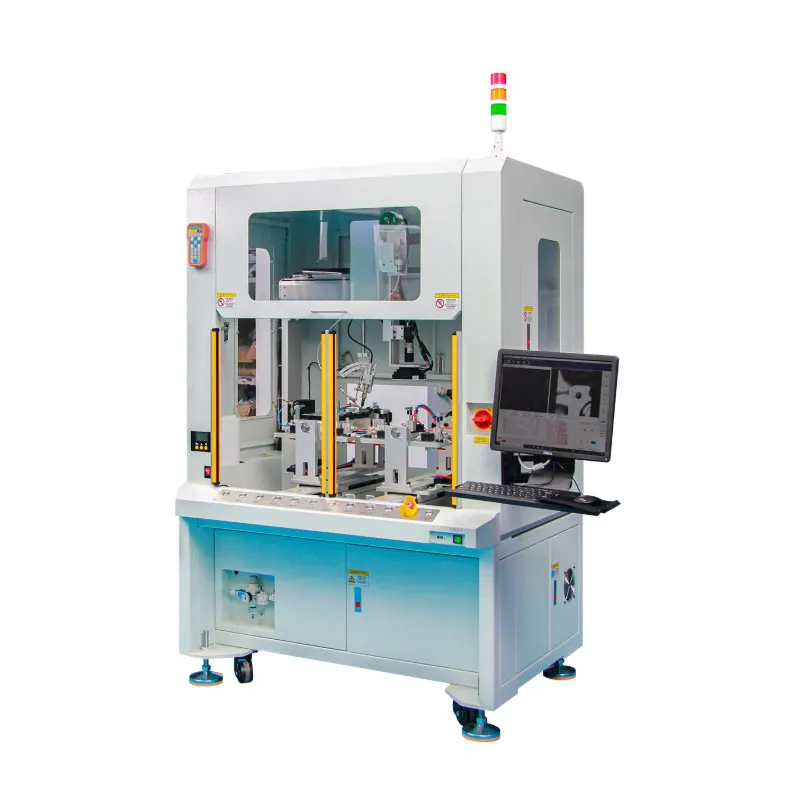
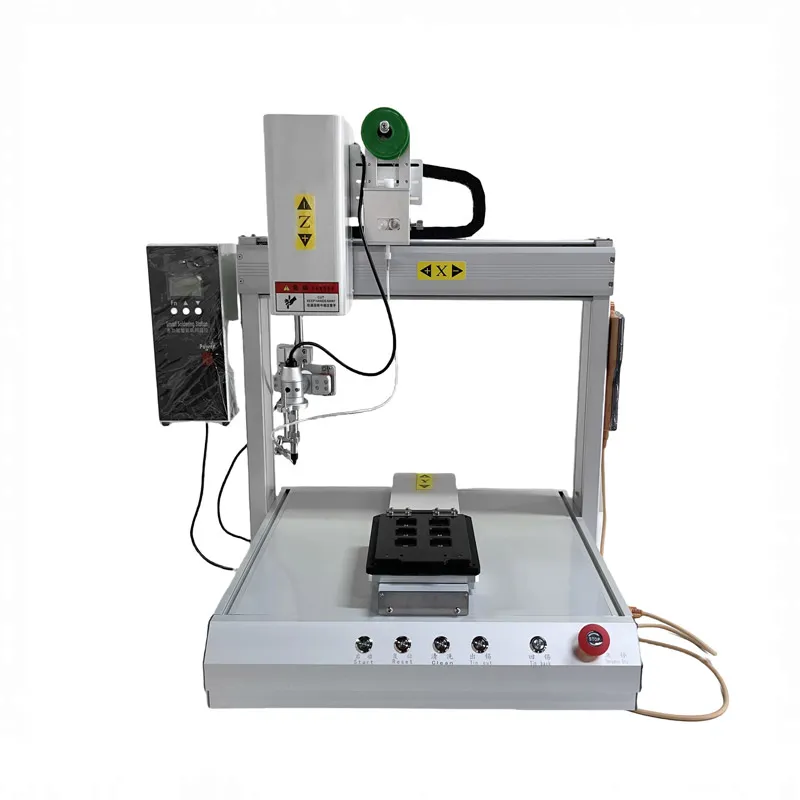
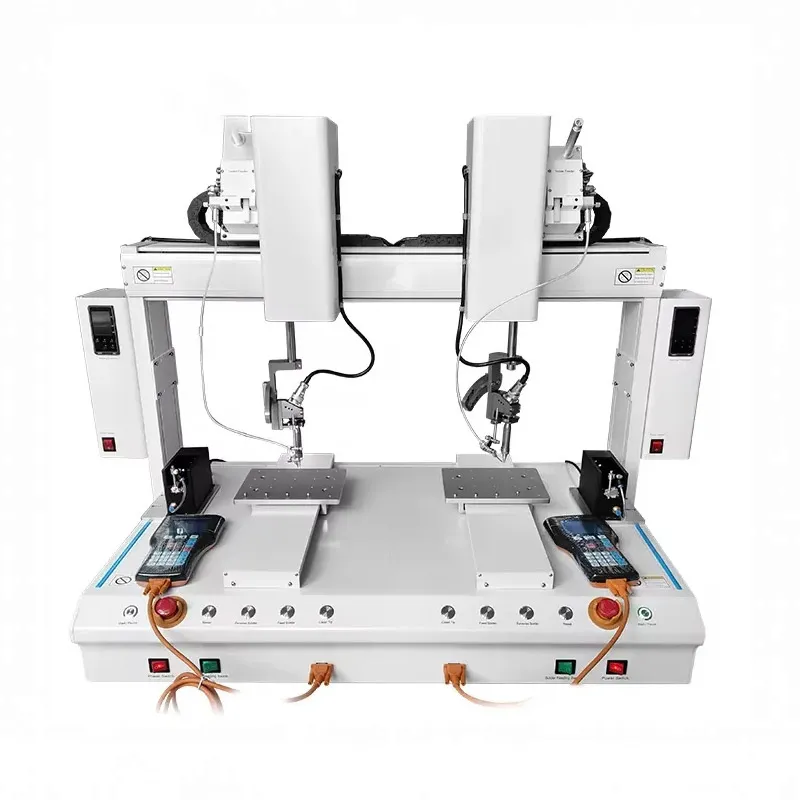
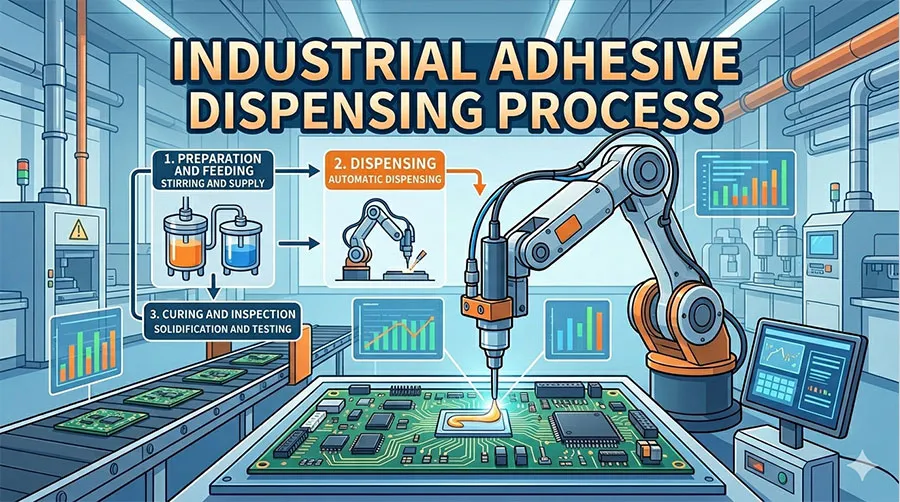
With the continuous advancement of industrial automation, dispensing processes now require higher levels of precision, flexibility, and efficiency. A 3-axis dispensing robot is widely used for standard planar applications such as PCB coating and adhesive dispensing, offering a simple structure, high stability, and cost-effectiveness. In contrast, a 4-axis dispensing robot adds a rotational axis, enabling it to handle curved surfaces, irregular components, and multi-angle dispensing tasks with greater adaptability.
This article examines both systems from a practical engineering perspective, highlighting their key technical features and ideal use cases. It also outlines important procurement factors such as product geometry complexity, production volume, and ROI considerations. The goal is to help decision-makers select the right dispensing automation equipment to achieve optimal balance between performance, flexibility, and cost efficiency.
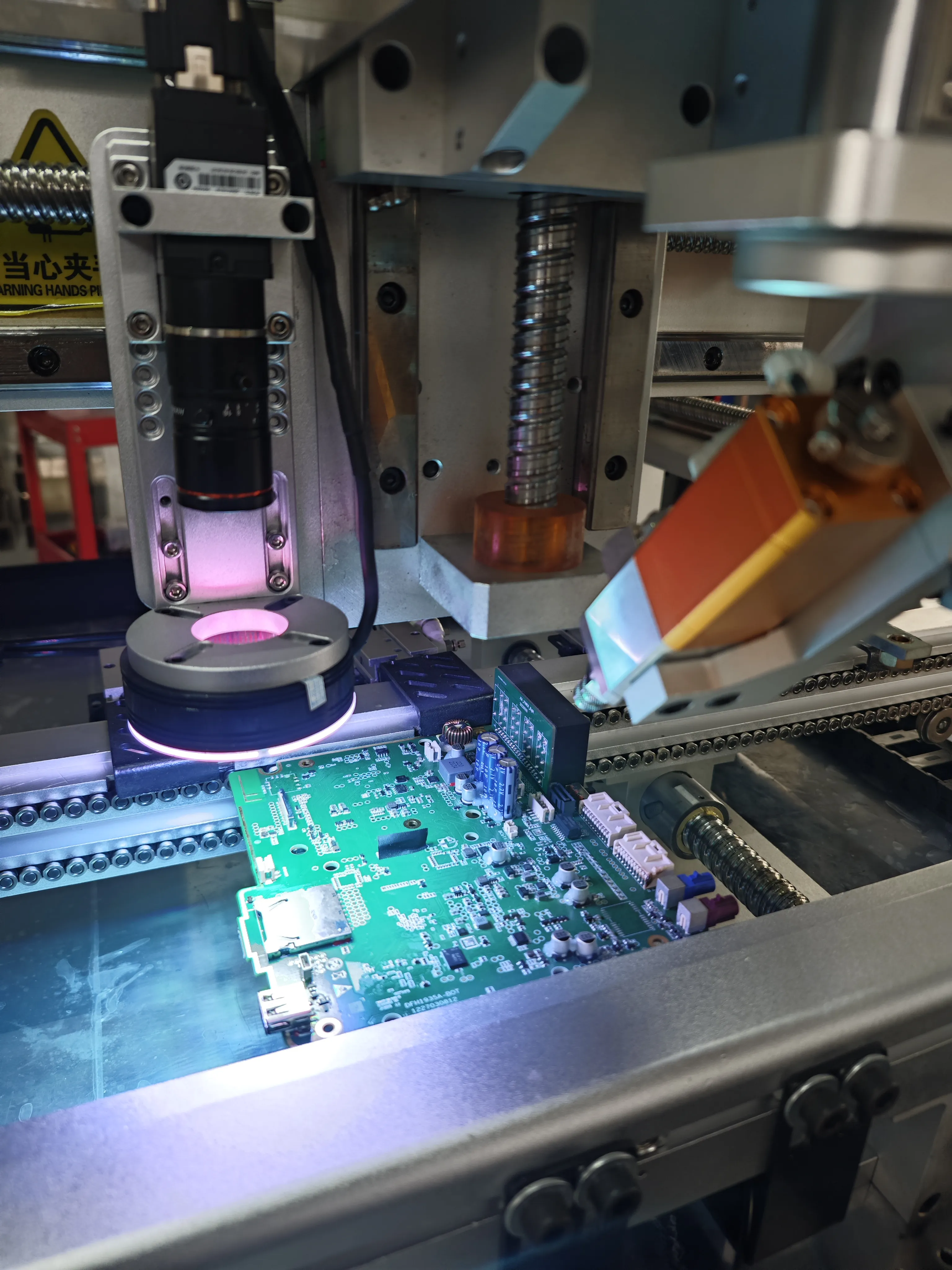
In modern manufacturing, precision and efficiency are key. For industries ranging from electronics assembly to medical device production, automated dispensing robots have become essential tools. However, choosing the right robot is not always straightforward. One of the most common questions engineers and procurement managers face is: should we invest in a 3-axis or a 4-axis dispensing robot? Understanding the differences and practical applications of each can save time, reduce costs, and improve production quality.
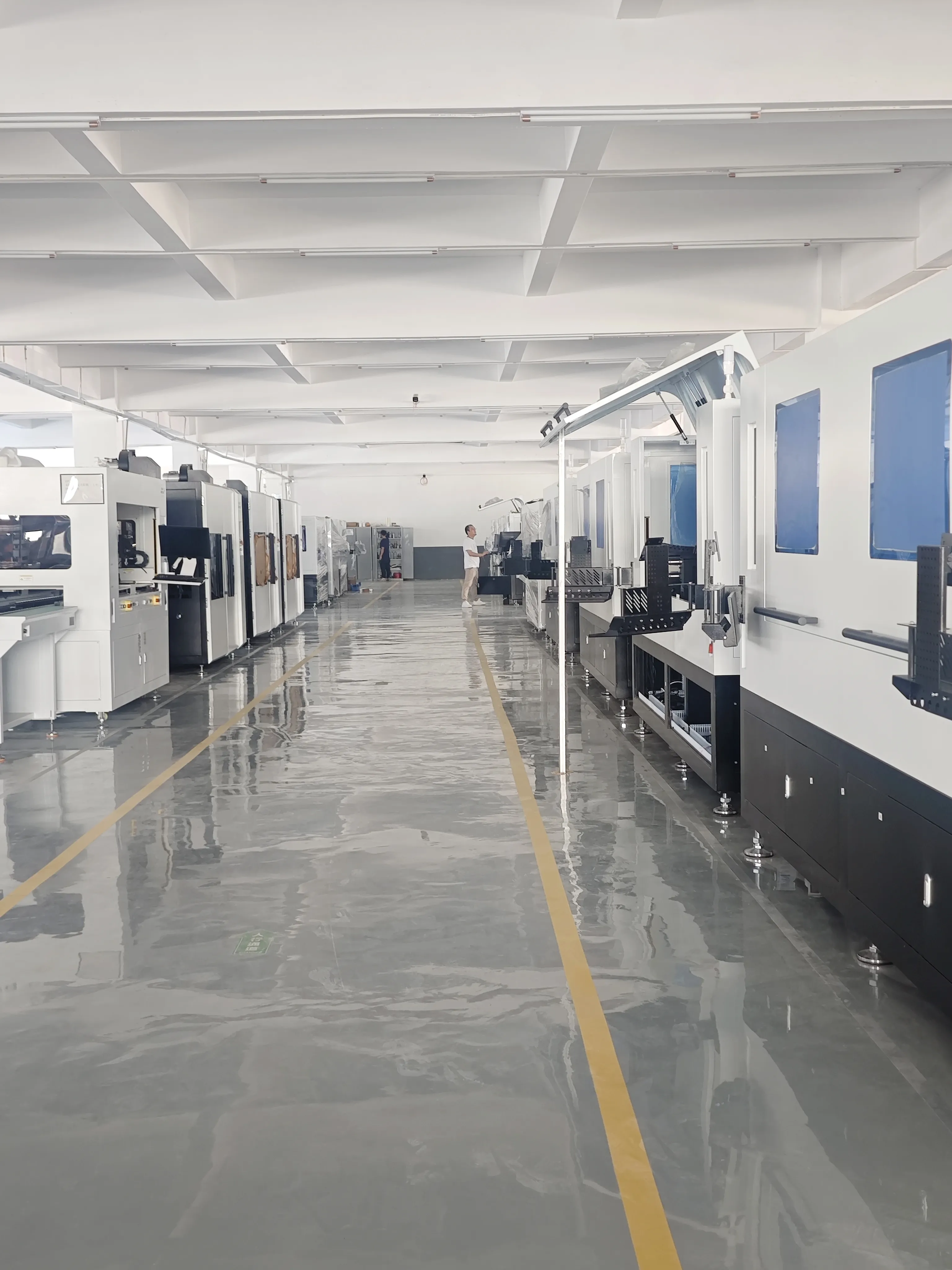
Understanding 3-Axis Dispensing Robots
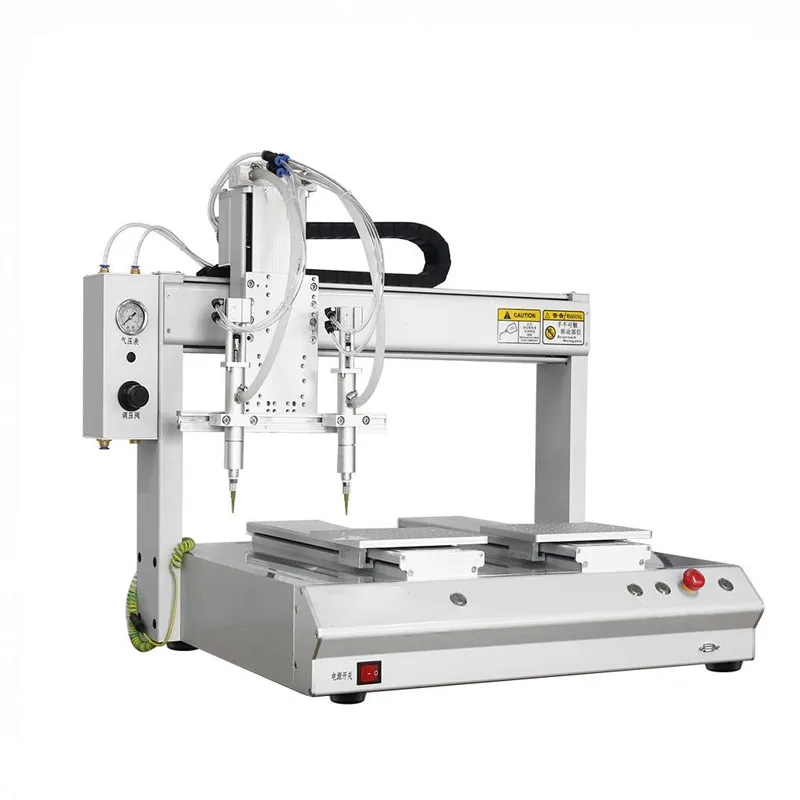
A 3-axis dispensing robot moves along the X, Y, and Z axes. This configuration allows the robot to reach any point on a flat surface while controlling the height of the dispensing nozzle. 3-axis robots are particularly suitable for applications that require straightforward, planar dispensing patterns, such as gluing, coating, or solder paste application on printed circuit boards (PCBs).
The advantages of a 3-axis system include simplicity, lower cost, and ease of programming. Since these robots operate in a fixed orientation, maintenance and troubleshooting are usually simpler, making them ideal for manufacturers who prioritize reliability and repeatable results. For high-volume production lines with standard patterns, a 3-axis robot often provides the perfect balance of precision and efficiency.
When a 4-Axis Robot Becomes Essential
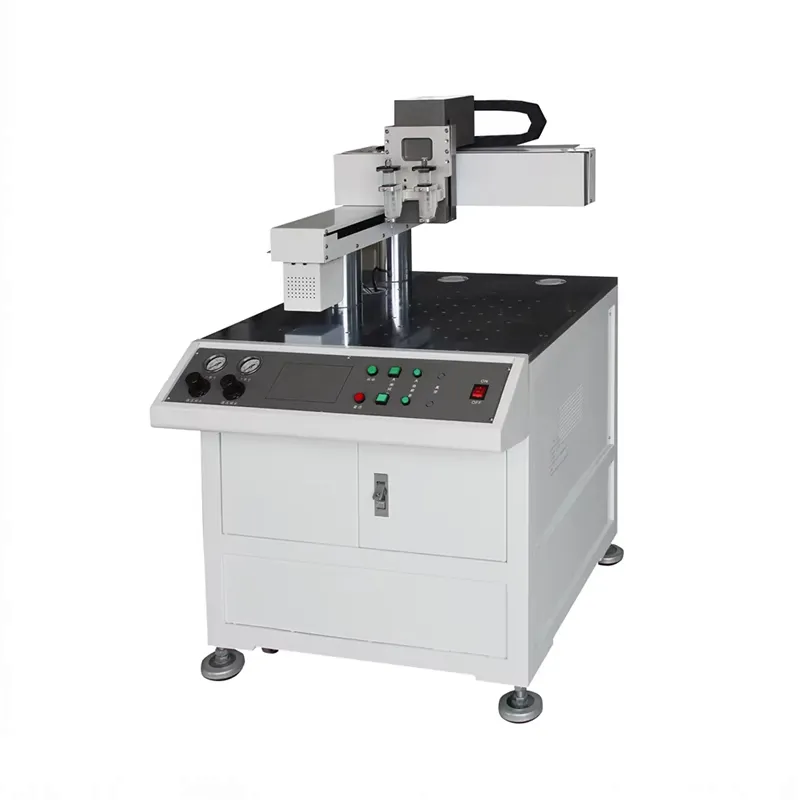
A 4-axis dispensing robot adds a rotational A-axis, allowing the robot to rotate the dispensing head around a fixed axis. This extra degree of freedom enables the robot to handle angled or complex surfaces that a 3-axis robot cannot easily reach. For instance, when dispensing adhesives on cylindrical housings, automotive components, or irregularly shaped medical devices, a 4-axis robot ensures consistent coverage without requiring manual intervention or repositioning the workpiece.
The 4-axis configuration increases versatility but comes with higher costs and a slightly steeper learning curve in programming. However, for applications involving multi-surface dispensing, curved geometries, or high-mix, low-volume production, the flexibility of a 4-axis robot often justifies the investment. It can eliminate bottlenecks, reduce material waste, and improve overall product quality.
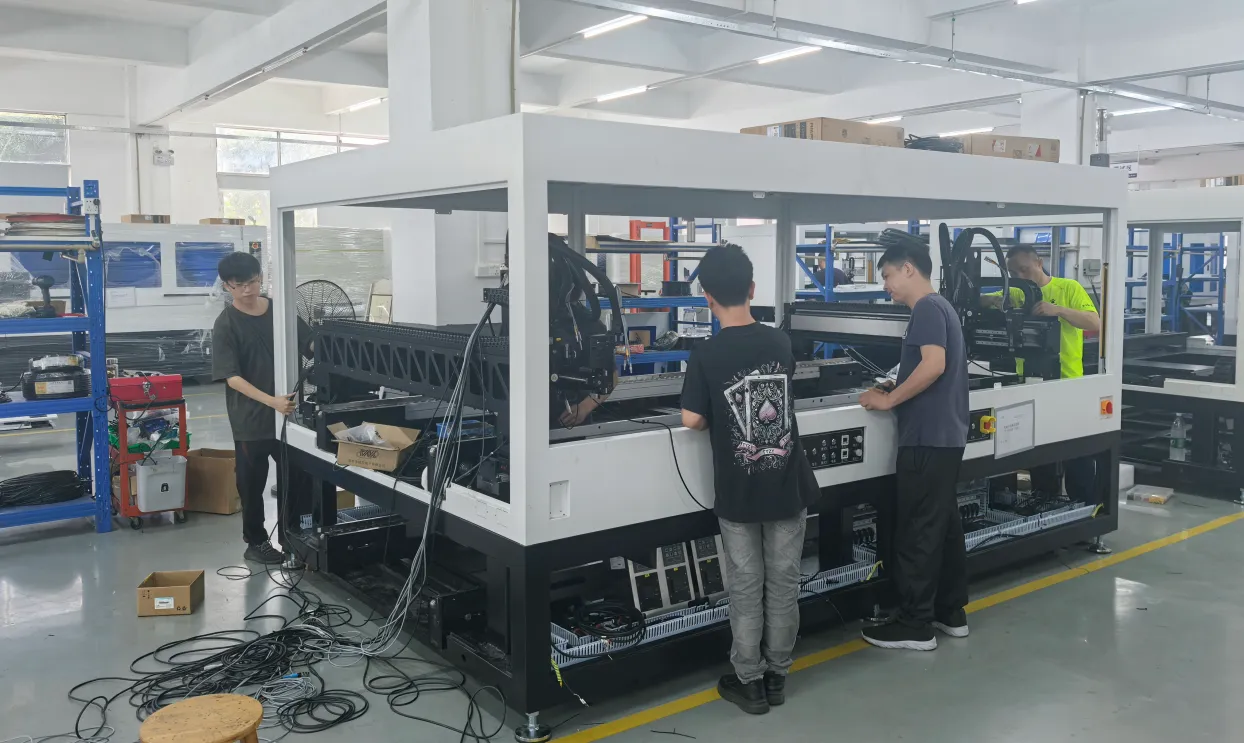
Key Considerations for Procurement Managers
When deciding between a 3-axis and a 4-axis dispensing robot, procurement managers should assess:
-
Workpiece Geometry: Are you working mostly with flat surfaces, or do you need to cover curved or angled parts?
-
Production Volume: High-volume, repetitive patterns often favor 3-axis systems, while versatile 4-axis robots support more complex, customized runs.
-
Budget and ROI: While 4-axis robots have higher upfront costs, they can reduce labor, rework, and scrap in applications requiring complex dispensing.
-
Integration and Space: Consider the footprint of the robot and how easily it can be integrated into existing production lines.
In summary, the choice between a 3-axis and a 4-axis dispensing robot depends on your application requirements and production goals. For standard, flat-surface dispensing, a 3-axis robot offers simplicity, reliability, and cost-effectiveness. If your process involves complex geometries or multi-angle coverage, a 4-axis robot provides the flexibility needed to achieve precision and consistency.
Investing in the right dispensing robot is not just about automation—it’s about improving product quality, optimizing throughput, and supporting sustainable manufacturing practices. By carefully evaluating your production needs, you can select a system that maximizes efficiency and delivers measurable ROI.