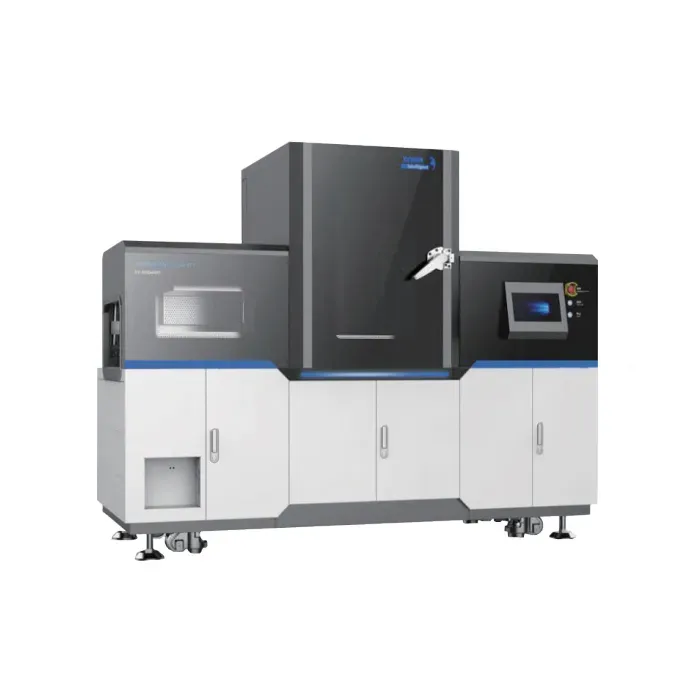
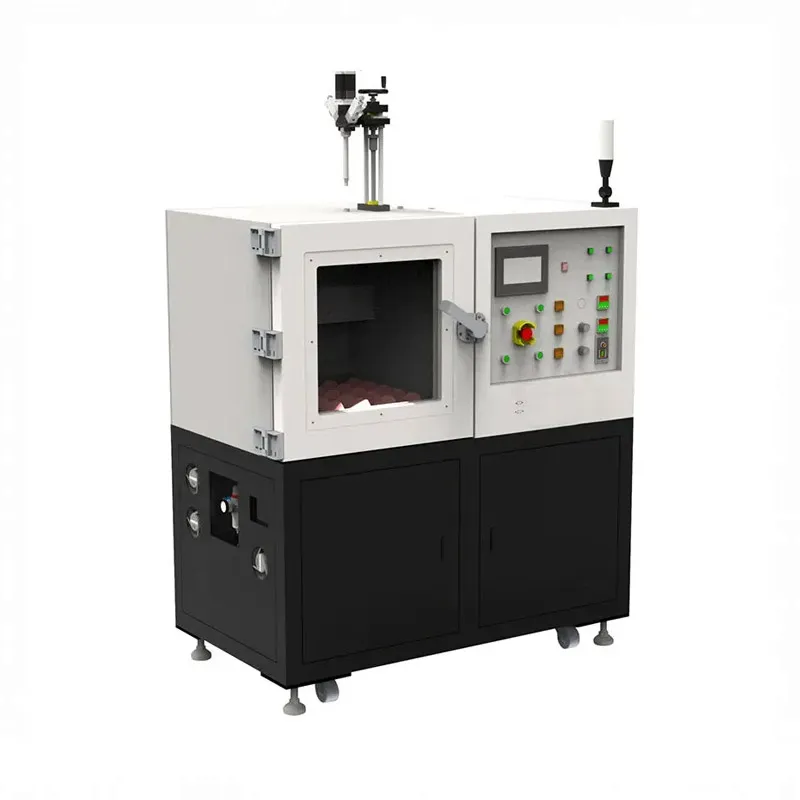
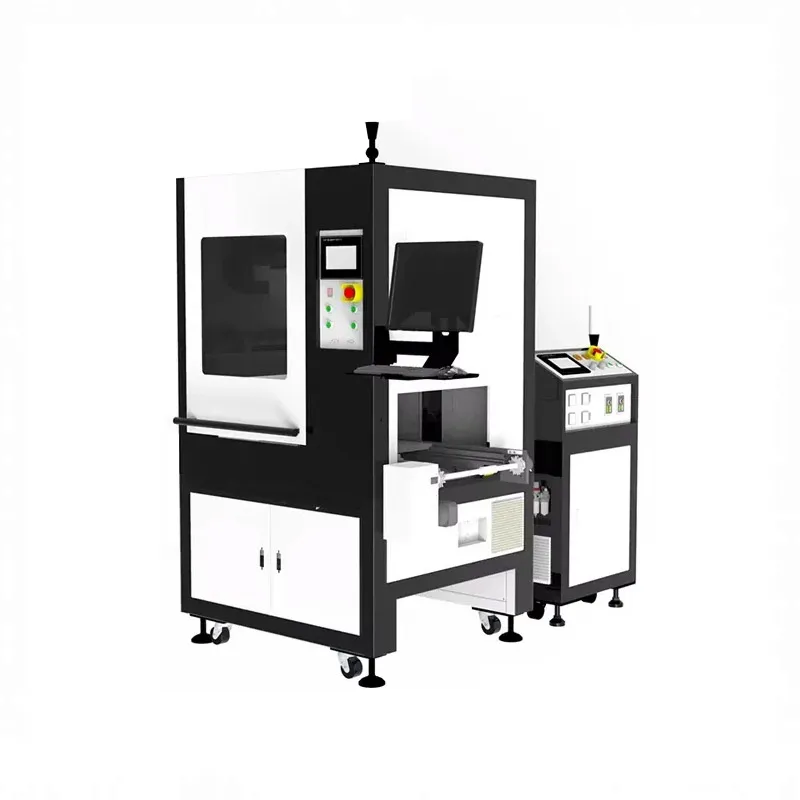
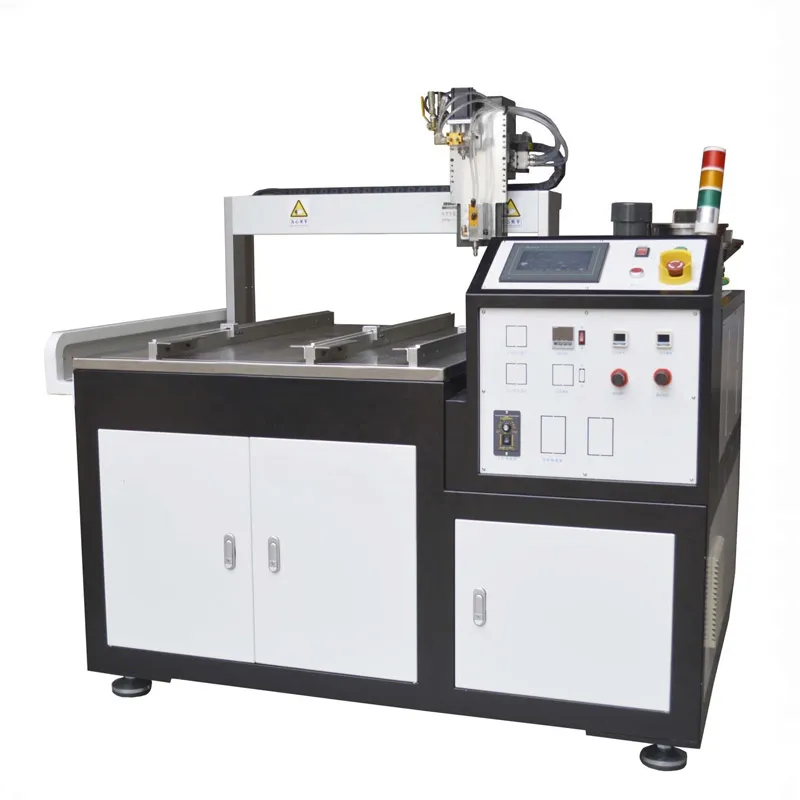
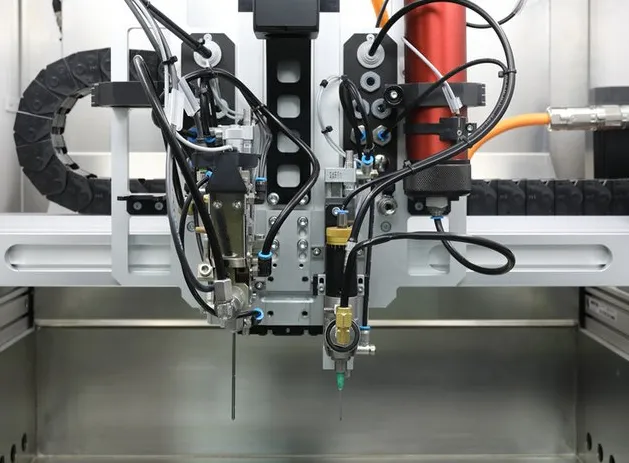
Automatic screw feeder machine pricing in 2026 ranges from a few hundred dollars for basic handheld units to over $200,000 for fully automated robotic systems, but the number itself is rarely the deciding factor. What actually determines the right investment is how well the system matches real production conditions — including screw specifications, required cycle time, integration level, and long-term reliability. In practice, factories that focus only on upfront price often encounter performance issues, while those that align machine type with application needs see fast payback, typically within a few months. The most effective approach is to first identify the correct category of equipment, validate performance with real screw samples, and then compare suppliers based on stability, support, and total cost of ownership rather than just initial quotation.
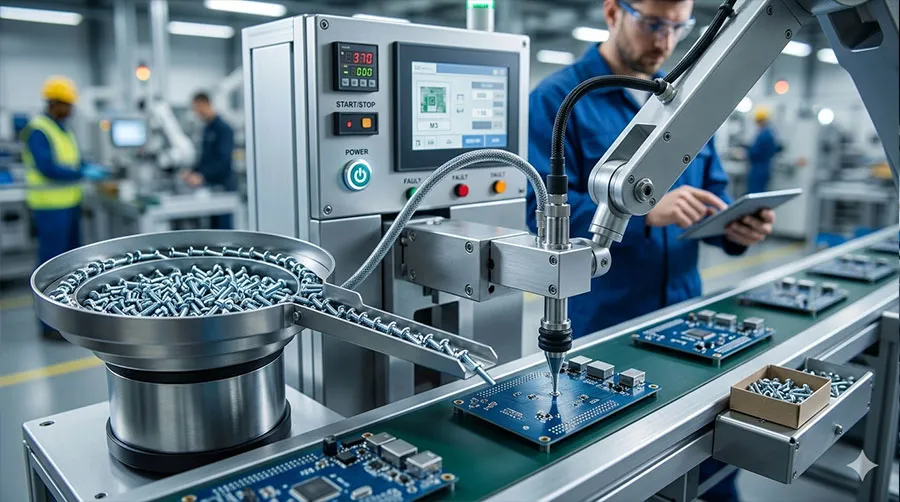
If you've tried to get a clear price for an automatic screw feeder machine, you've probably noticed one thing — every supplier gives you a different number, and none of them seem directly comparable. A basic handheld unit might be a few hundred dollars, while a fully automated robotic system can go well beyond $80,000. That gap isn't random. These are completely different types of equipment solving different problems on the production line, even though they are often grouped under the same name.
In real manufacturing environments, pricing is not just about the machine itself. It is driven by how the system fits into your process: the type of screws, the required speed, the level of automation, and how critical reliability is for your line. Two factories using the same screw size can still receive quotes that differ by more than 40% simply because their production conditions are different.
Automatic Screw Feeder Machine Price (2026)
Handheld screw feeder: $150 – $800
Air-blowing screw feeder: $600 – $6,000
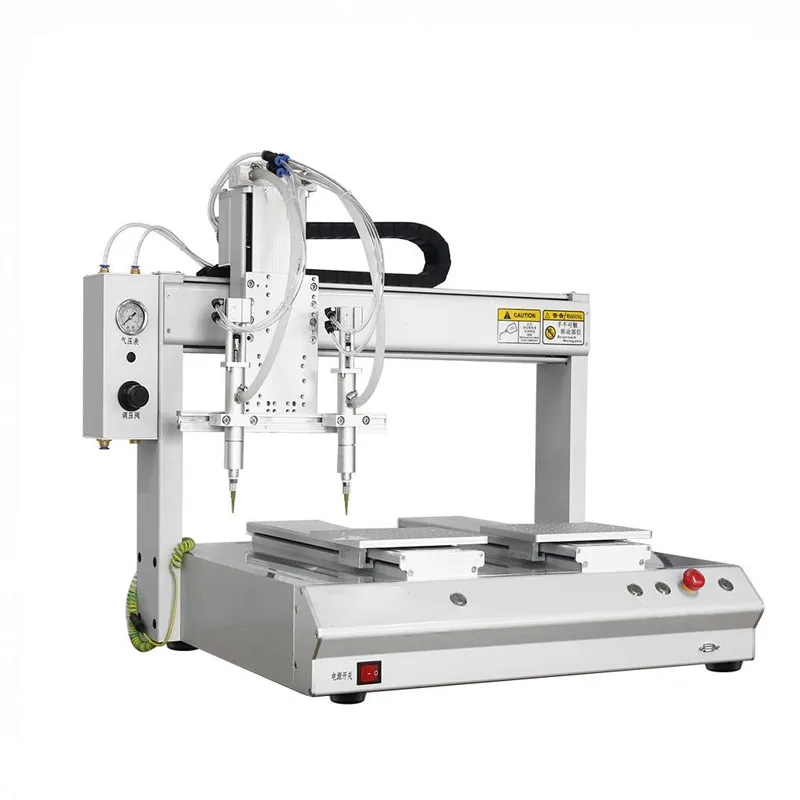
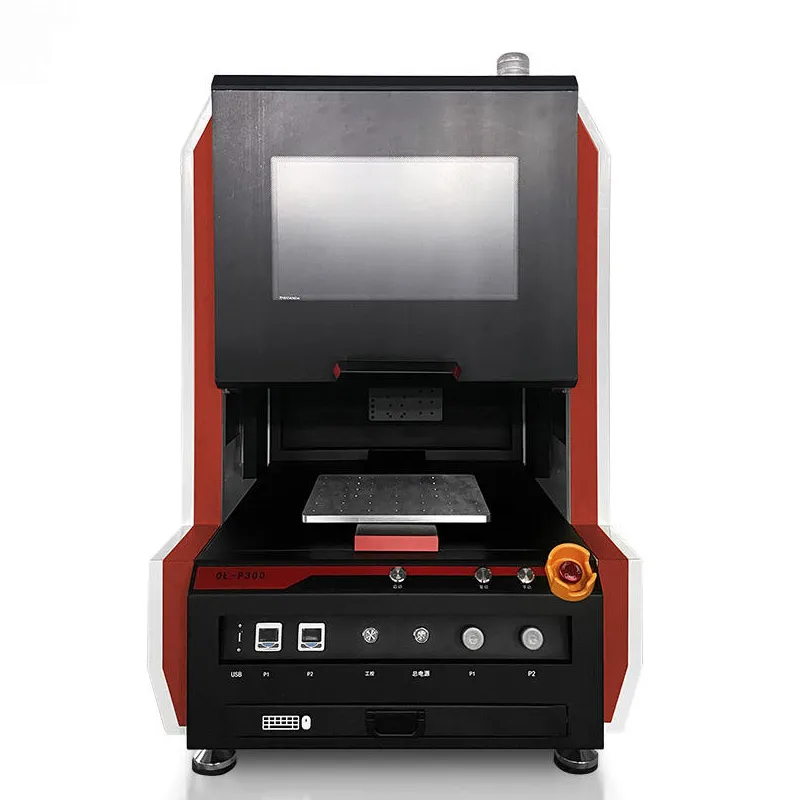
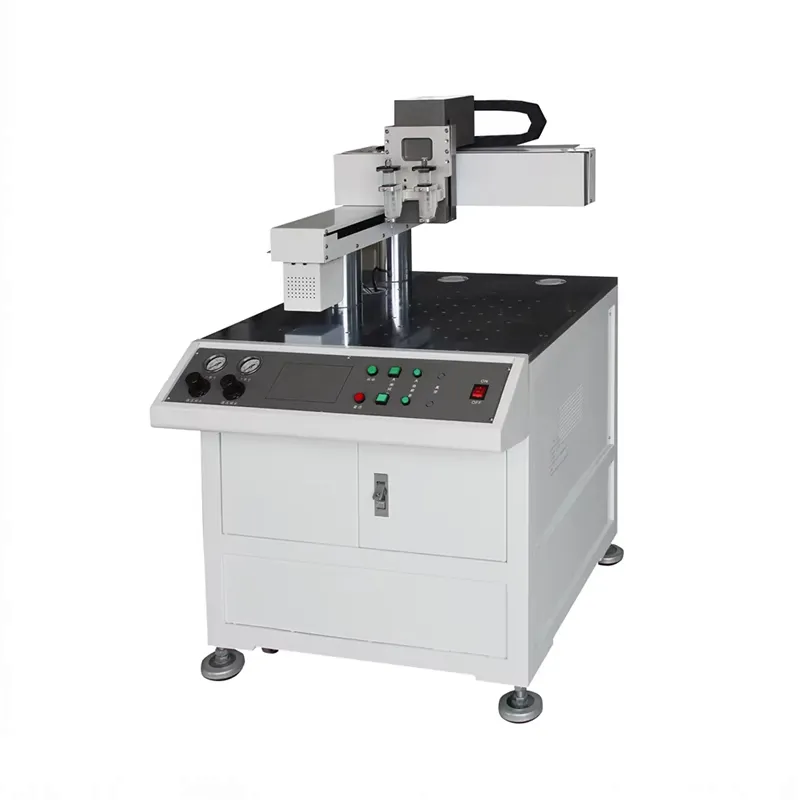
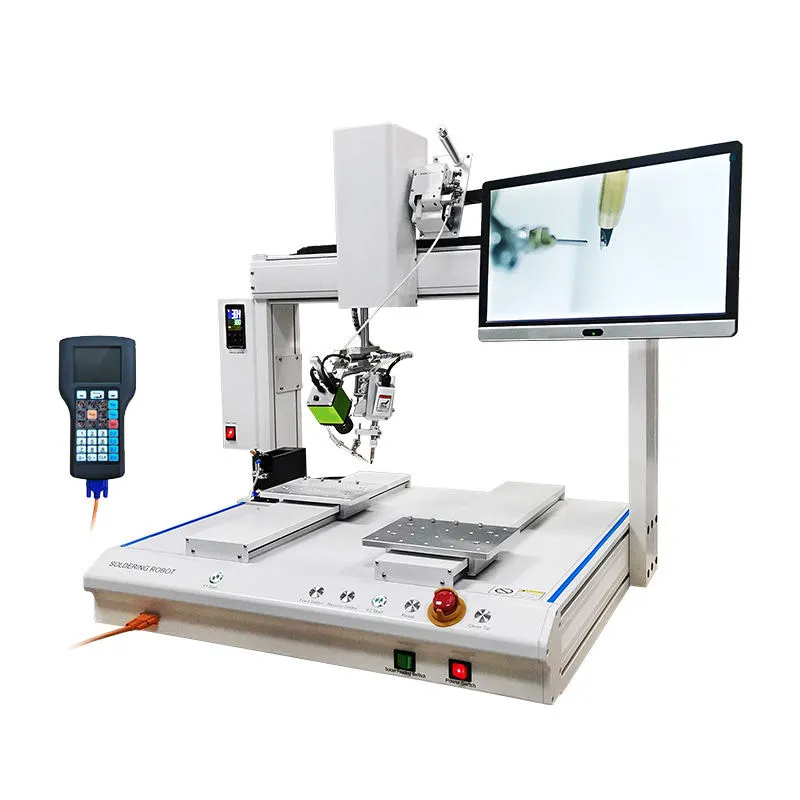
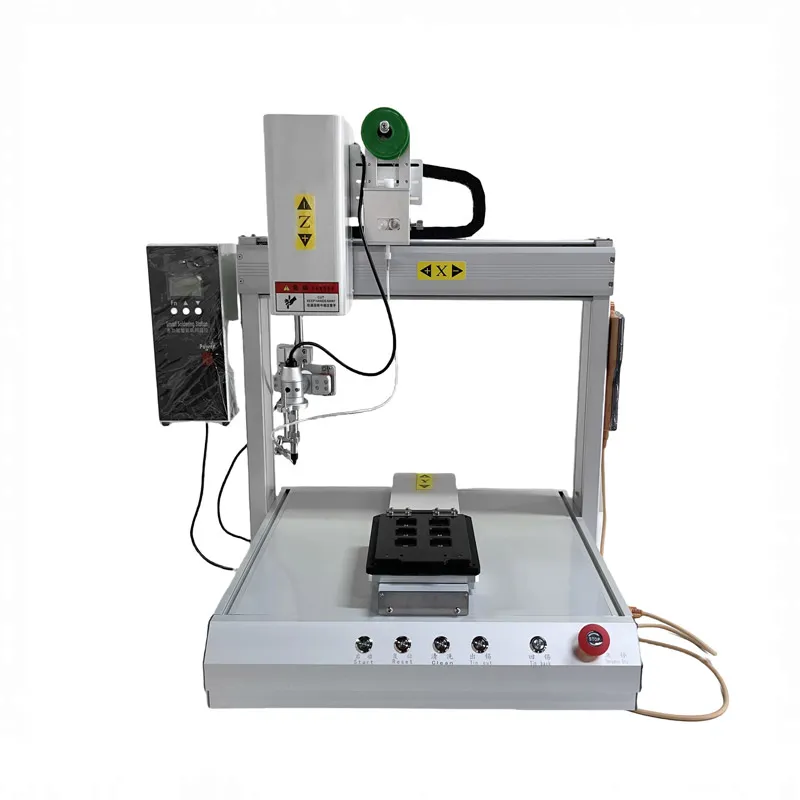
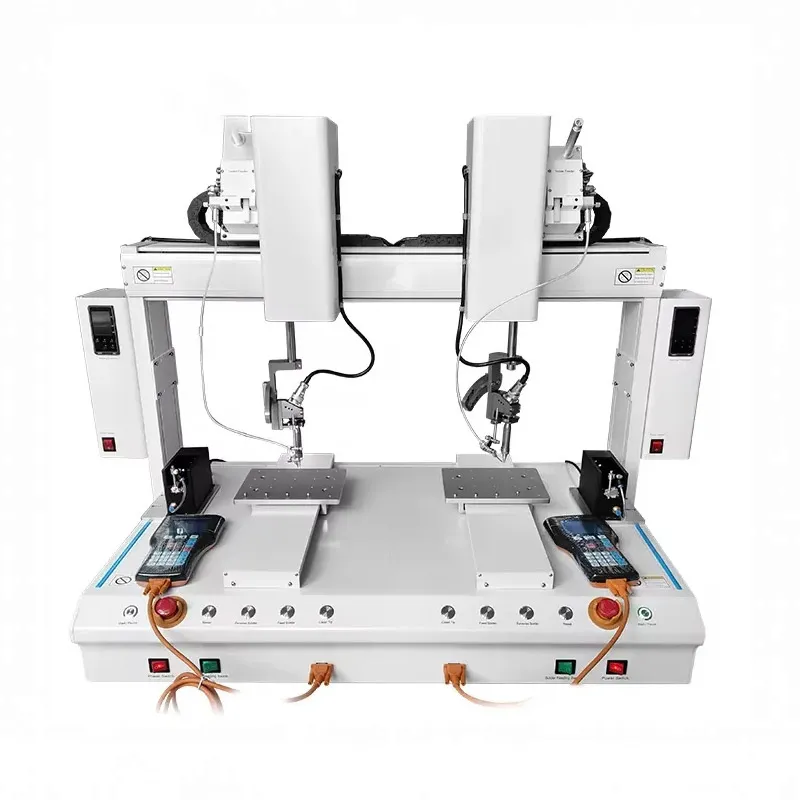
Desktop automatic screw machine: $2,500 – $30,000
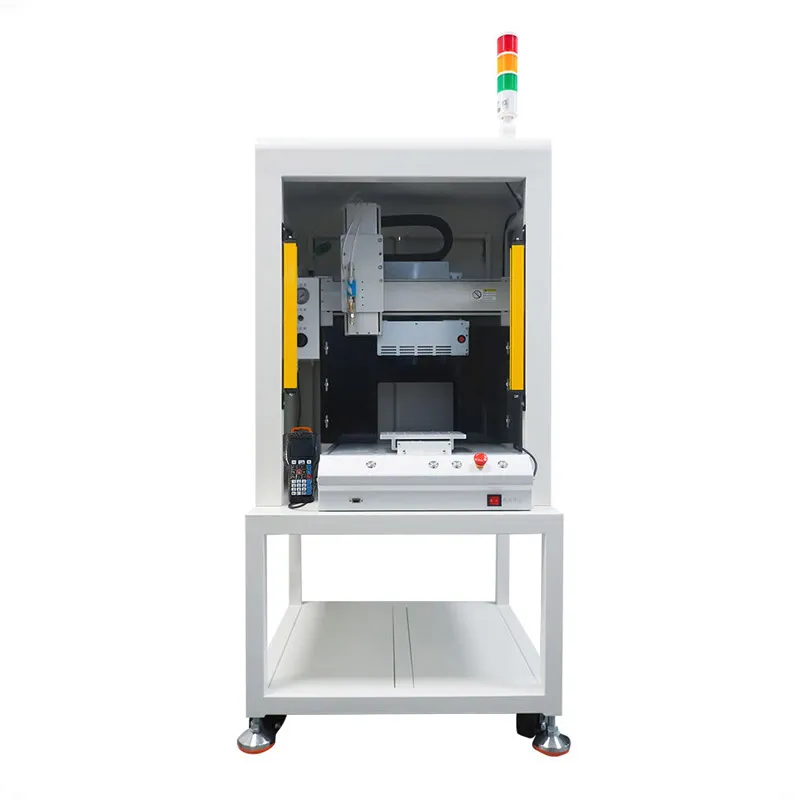
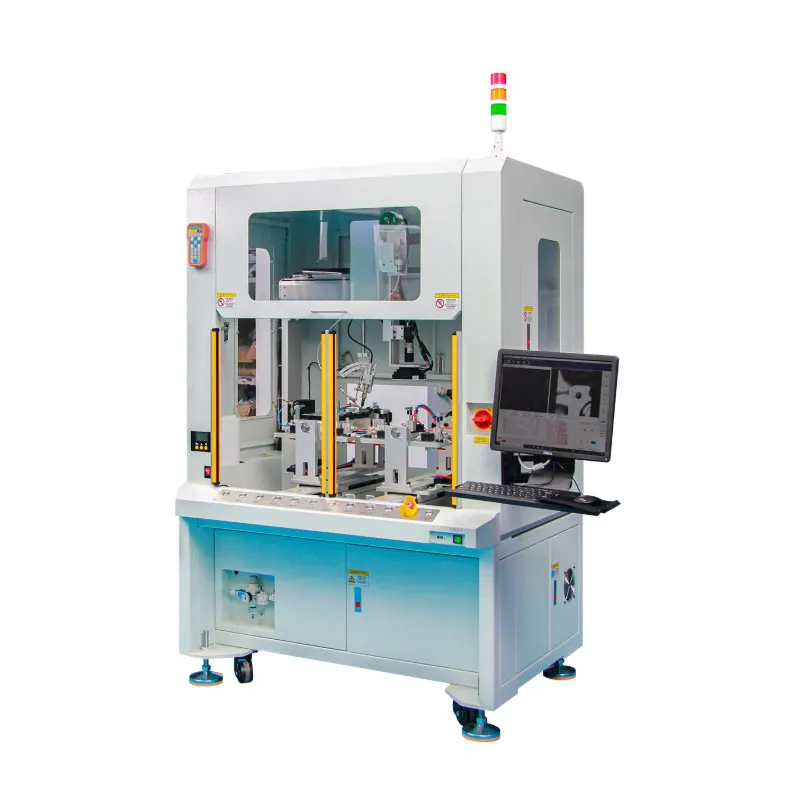
Robotic screw fastening system: $15,000 – $200,000+
Actual price depends on screw type, speed requirements, and system integration.
Why Screw Feeder Prices Vary So Much
Most price confusion comes from comparing machines that are not in the same category. A handheld screw presenter and a robotic fastening system may both “feed screws,” but one assists an operator while the other replaces manual labor entirely. From a purchasing perspective, that is not a price difference — it is a different level of investment.
In practice, price is mainly driven by automation level, required cycle time, screw geometry, and how the system integrates with other equipment such as torque-controlled screwdrivers or robotic arms. If a supplier does not ask about your takt time or production volume, the quote is likely based on assumptions rather than real application data.
Types of Automatic Screw Feeder Machines
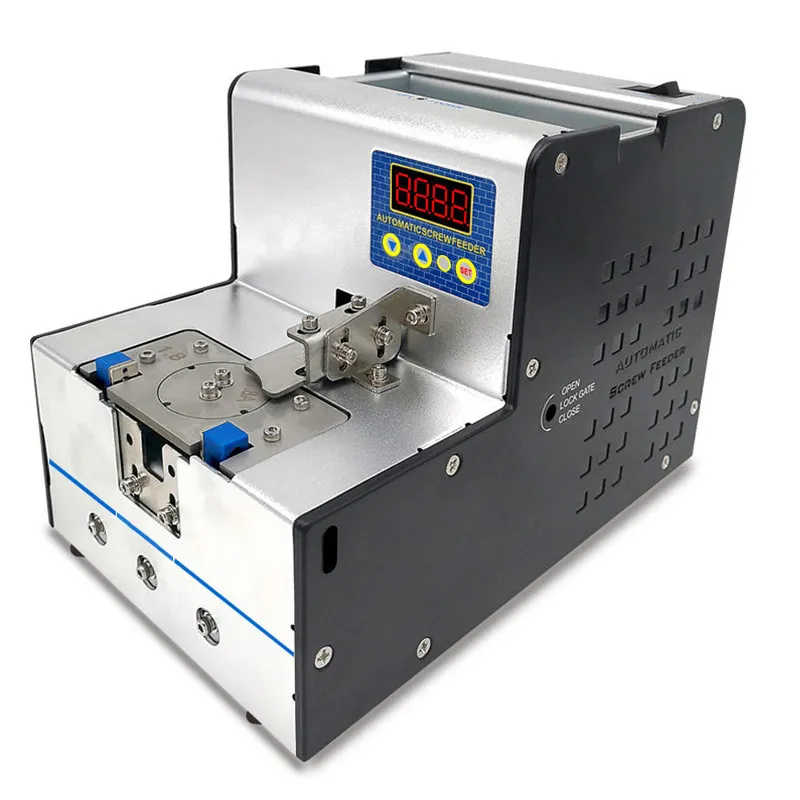
Handheld Screw Feeder
This is the most basic configuration. The operator still drives the screw manually, while the feeder automatically presents screws in a fixed position. It is often used as a first step toward automation because it requires minimal change to existing processes. On most lines, it reduces screw handling time by around one second per screw, which accumulates quickly over a full shift.
Air-Blowing Screw Feeder
In this system, screws are transported through a tube directly to the screwdriver using compressed air. It is widely used in electronics manufacturing because it supports higher speeds while maintaining flexibility. However, performance depends heavily on integration with the screwdriver and correct tooling design, not just the feeder itself.
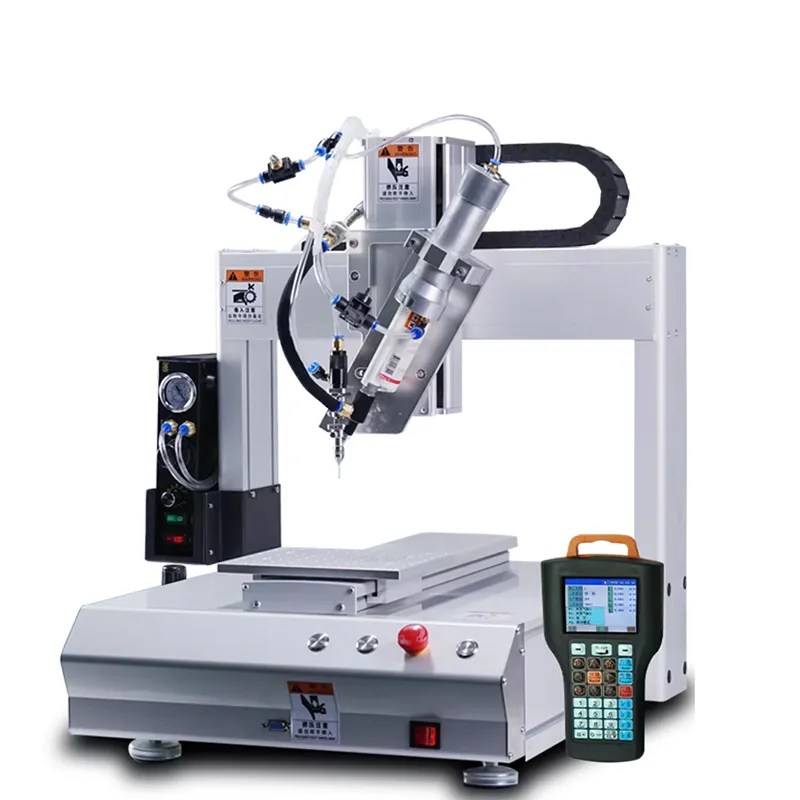
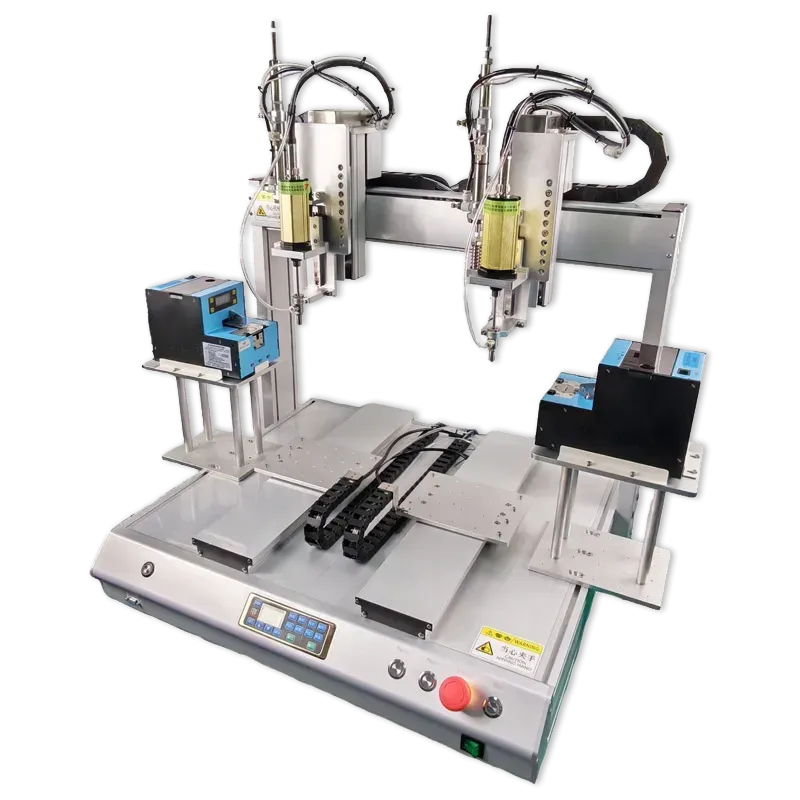
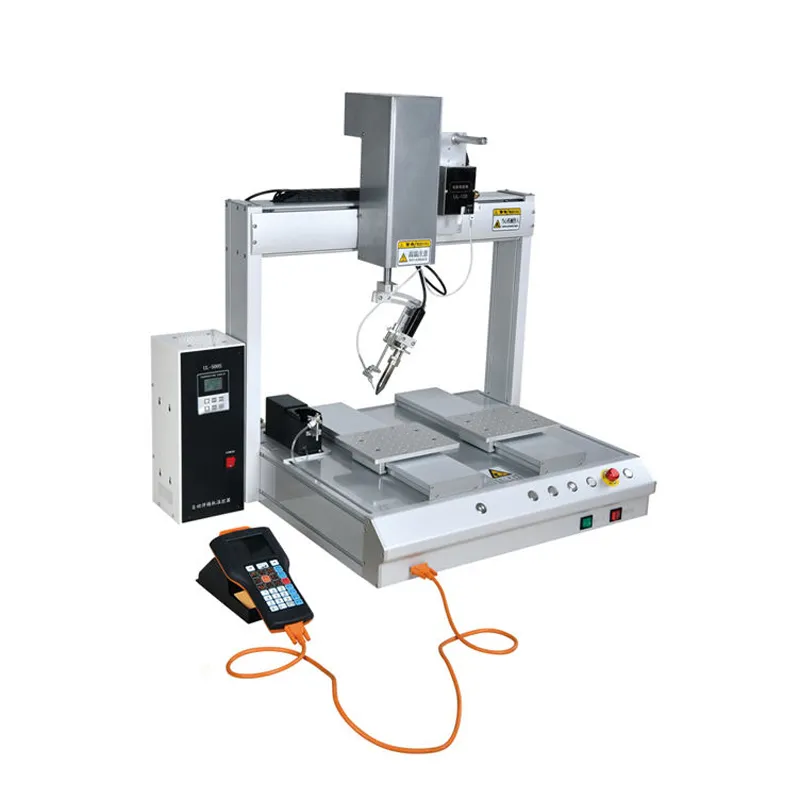
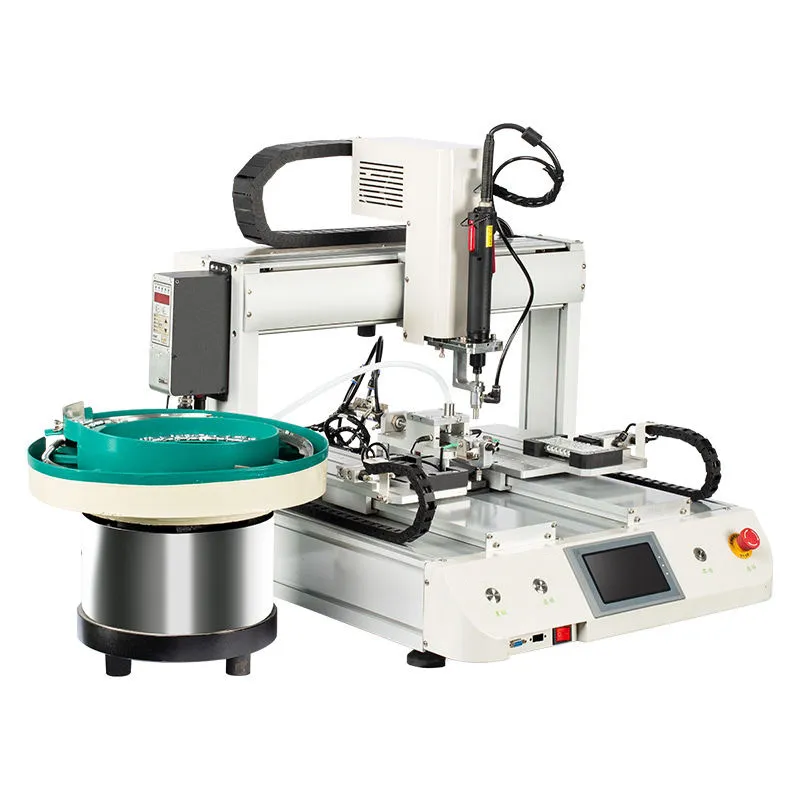
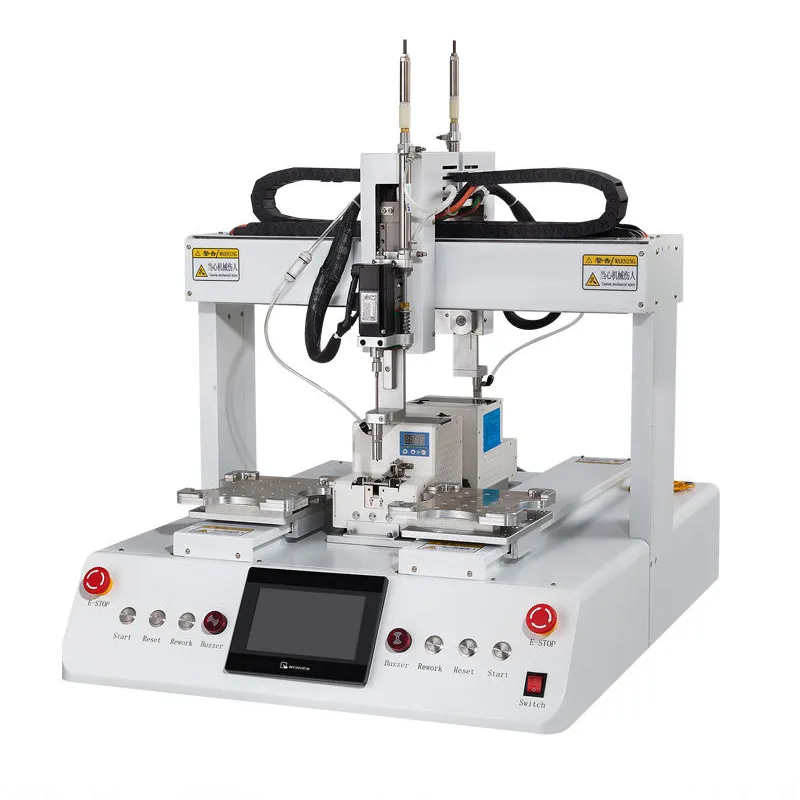
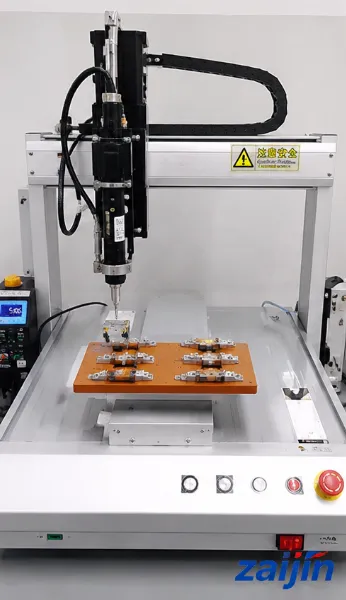
This type automates the screwdriving process. The operator positions the part, and the machine completes the fastening cycle with controlled torque. It is typically used in applications where consistency and quality are more important than flexibility, such as assemblies with fixed screw positions.
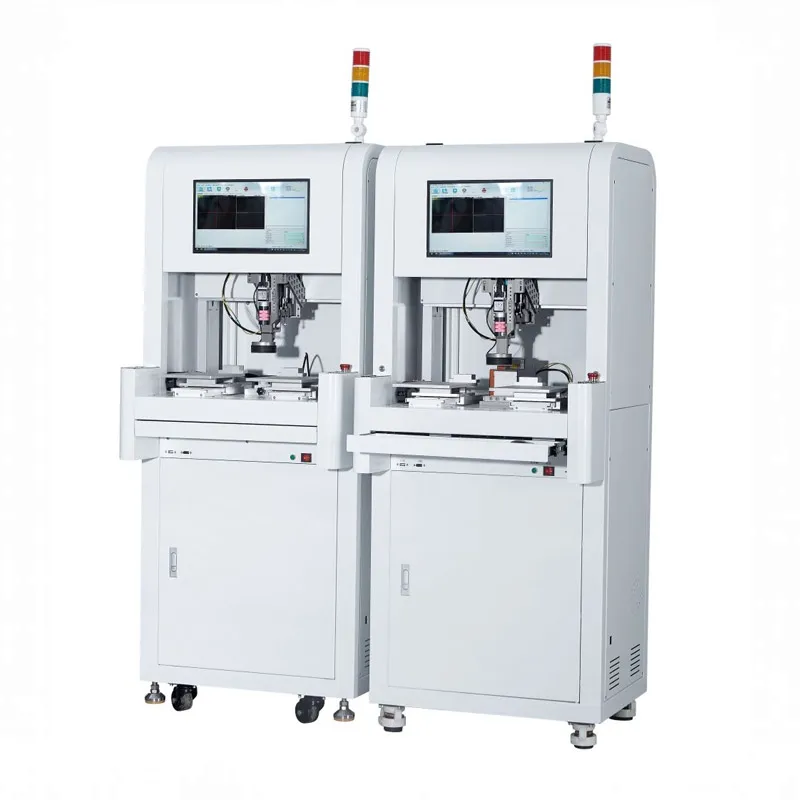
Robotic Screw Fastening System
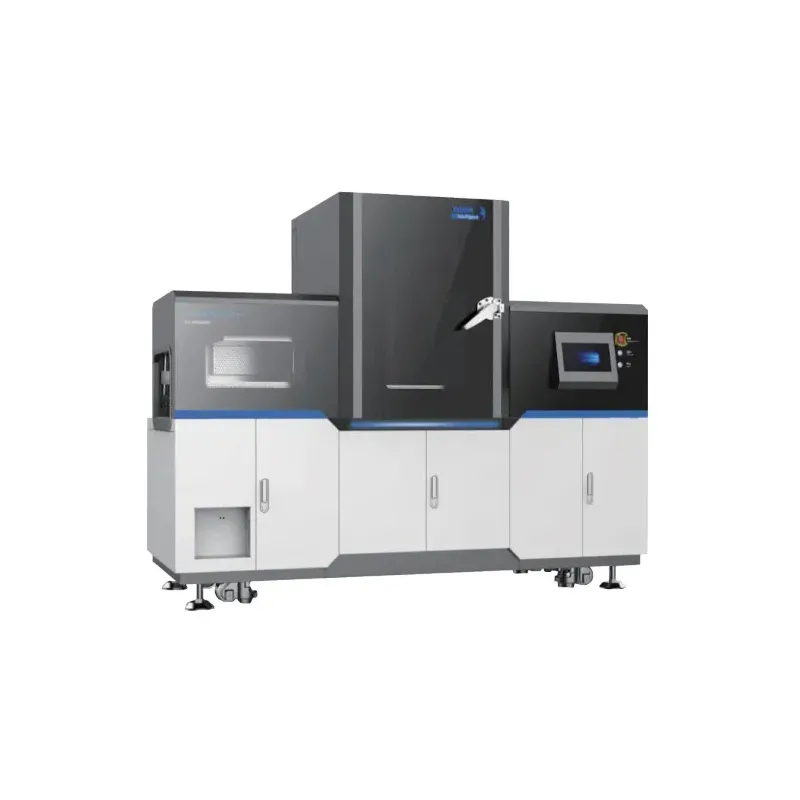
Fully automated systems combine feeding, positioning, and fastening into a single integrated solution. These are commonly used in automotive, medical device, and high-volume electronics production. While the upfront cost is high, they offer the lowest cost per unit when production volume justifies the investment.
2026 Price Comparison
|
Type
|
Entry
|
Mid Range
|
High-End
|
|
Handheld
|
$150
|
$400
|
$1,500
|
|
Air-Blow
|
$600
|
$2,000
|
$6,000
|
|
Desktop
|
$2,500
|
$8,000
|
$30,000
|
|
Robotic
|
$15,000
|
$40,000
|
$200,000+
|
These figures represent standard configurations. Actual quotes often include additional costs that are not immediately visible in initial pricing discussions.
Real Quote Example
A consumer electronics manufacturer compared two air-blowing screw feeder systems. One supplier quoted $1,800, while another quoted $3,200. At first glance, both systems appeared similar. However, after testing with actual screws, the lower-cost unit began to struggle beyond 60 screws per minute and caused frequent misfeeds, leading to production interruptions. The higher-cost system included dual-track feeding, more precise tooling, and local support. The final decision favored the more expensive option because it delivered stable performance under real production conditions.
Hidden Costs Behind the Quote
Many initial quotes do not include all required components. Additional costs often include custom tooling such as jaws or nozzles, integration with screwdrivers, testing with actual screws, and installation support. Depending on the application, these can add 20–50% to the base machine price. This is why two quotes that appear similar at first can diverge significantly once all requirements are included.
ROI: When Does It Pay Back
The primary return comes from time savings. A typical feeder reduces screw handling time by about 1.4 seconds per screw. On a line processing 2,400 screws per shift, that translates to nearly one hour of labor saved per day. At an average labor rate of $25 per hour, this results in approximately $6,000 in annual savings per station.
In many cases, the payback period for mid-range systems falls within four to six months. For multi-shift operations, the return is even faster. Beyond direct labor savings, additional benefits such as reduced screw loss, fewer defects, and improved operator consistency often provide long-term value that is not captured in basic ROI calculations.
Common Buying Mistakes
One of the most common mistakes is comparing machines across different categories instead of comparing within the same type. Another frequent issue is relying solely on catalog specifications without testing actual screws, which can lead to compatibility problems during production. Choosing based only on price, without considering long-term reliability and support, often results in higher total cost over time.
How to Choose the Right System
A practical approach used in many factories is to start with a simple system, validate the improvement, and then scale. Handheld feeders are often used to confirm efficiency gains. Air-blow systems are introduced when higher throughput is required. Full automation is typically implemented only when production volume and stability requirements justify the investment.
If you're still comparing quotes based only on price, you are likely comparing different categories of machines rather than different suppliers. The fastest way to make a clear decision is to first match the machine type to your actual production conditions, and then evaluate suppliers within that category.
Get a Real Quote for Your Production Line
Send your screw specifications and production requirements to receive a clear recommendation, price range, and ROI estimate within 24 hours.
Request a Quote