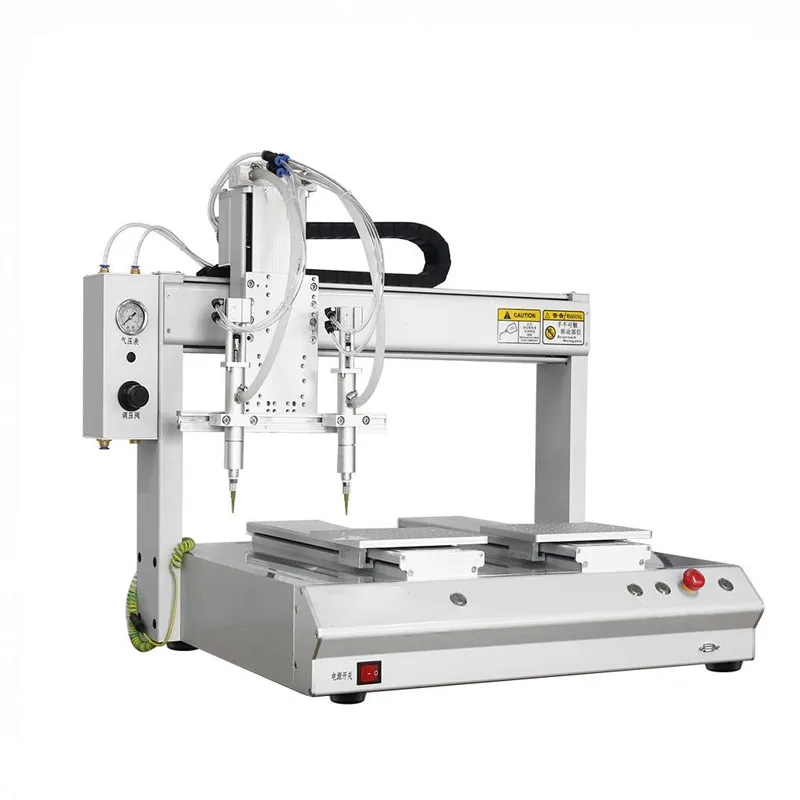
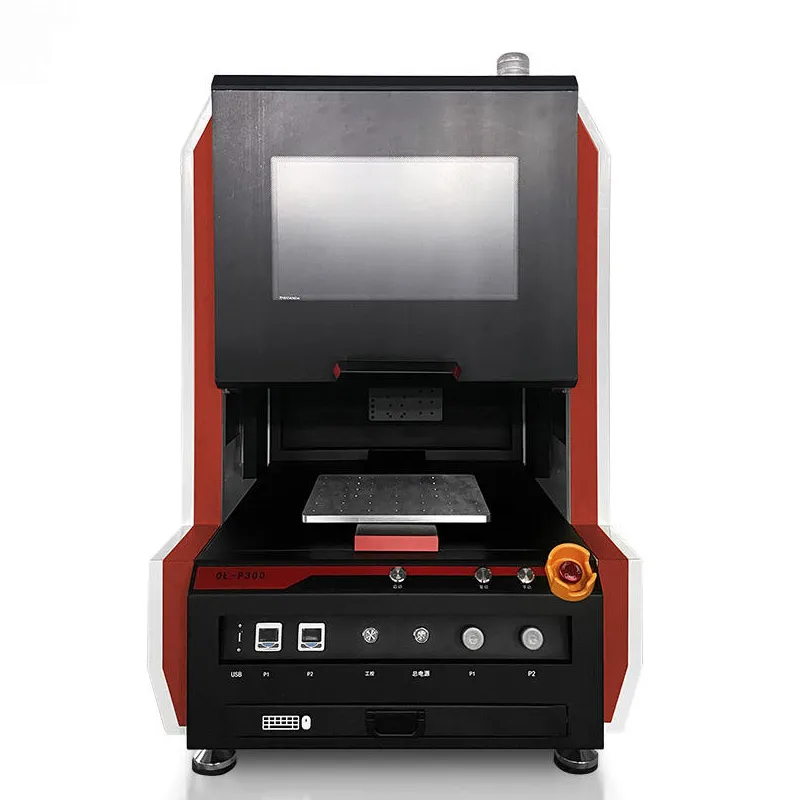
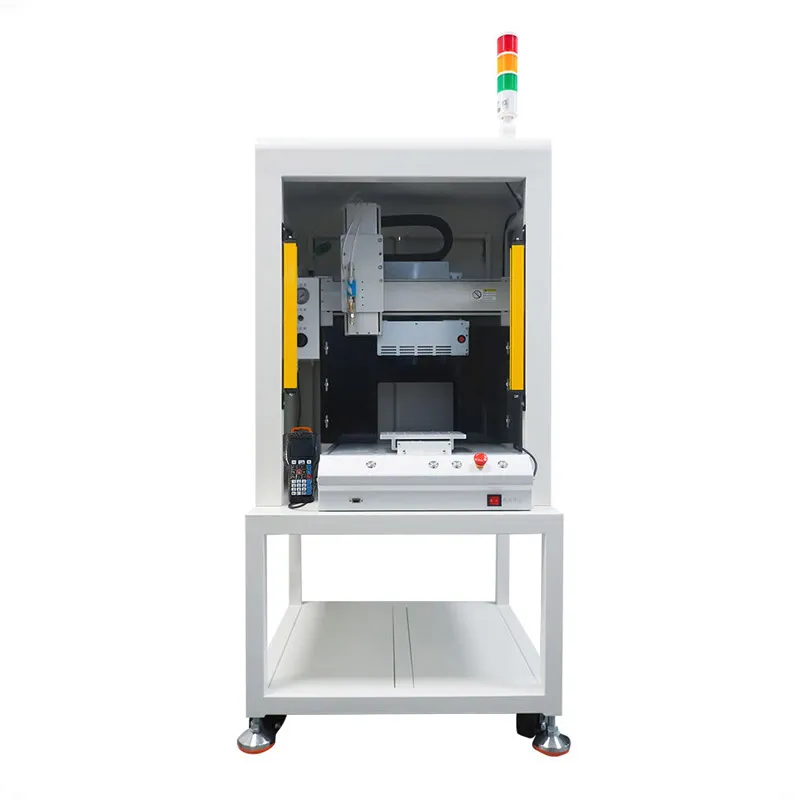
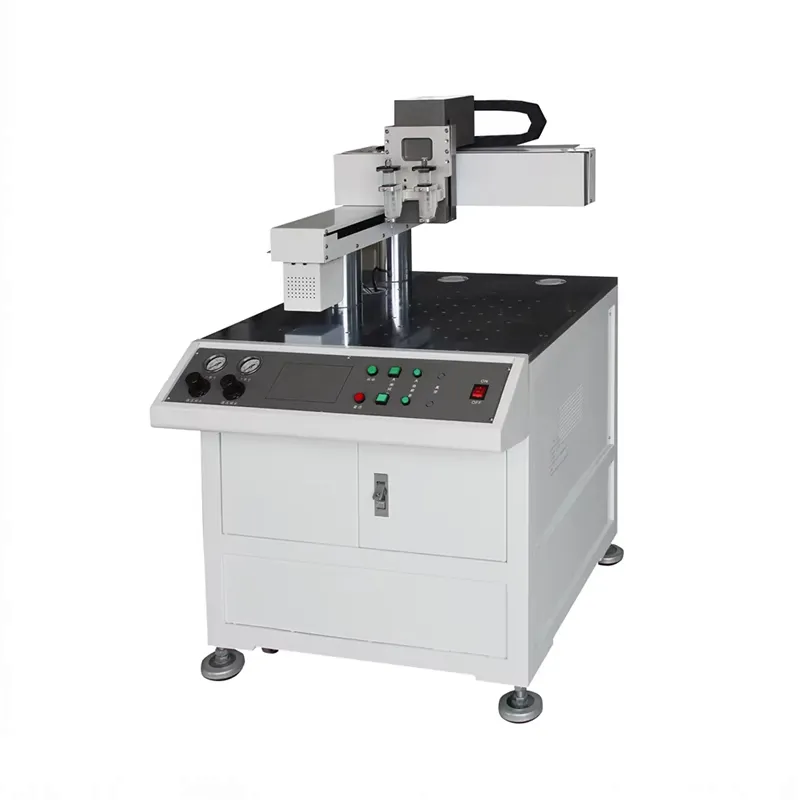
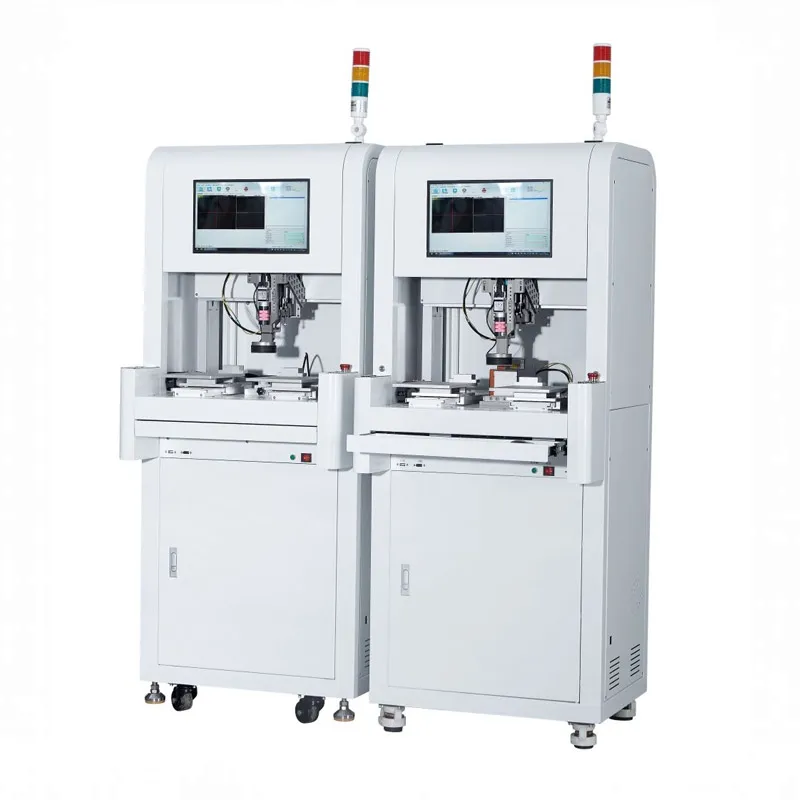
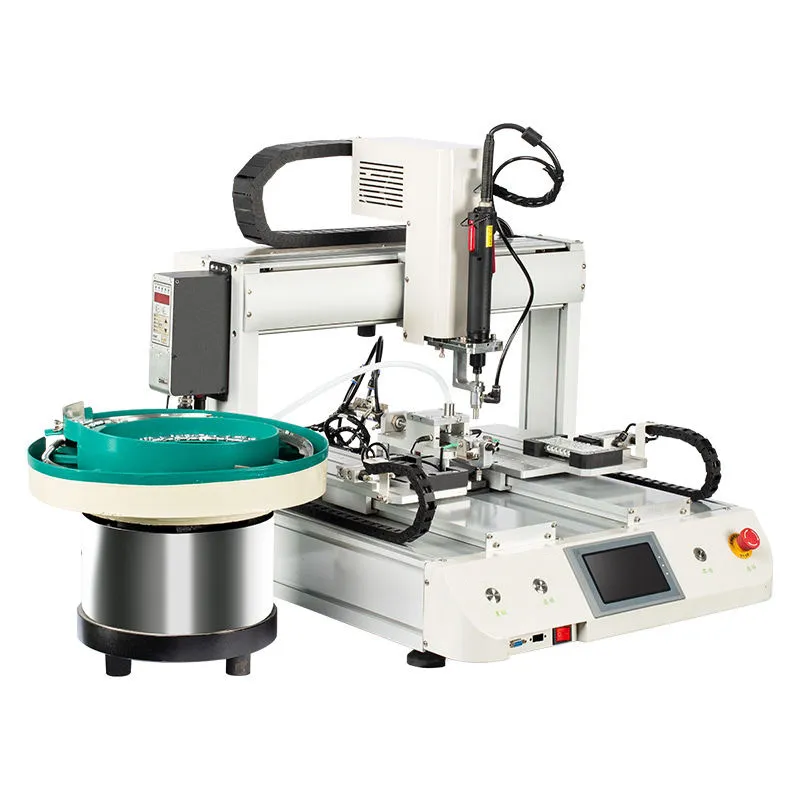
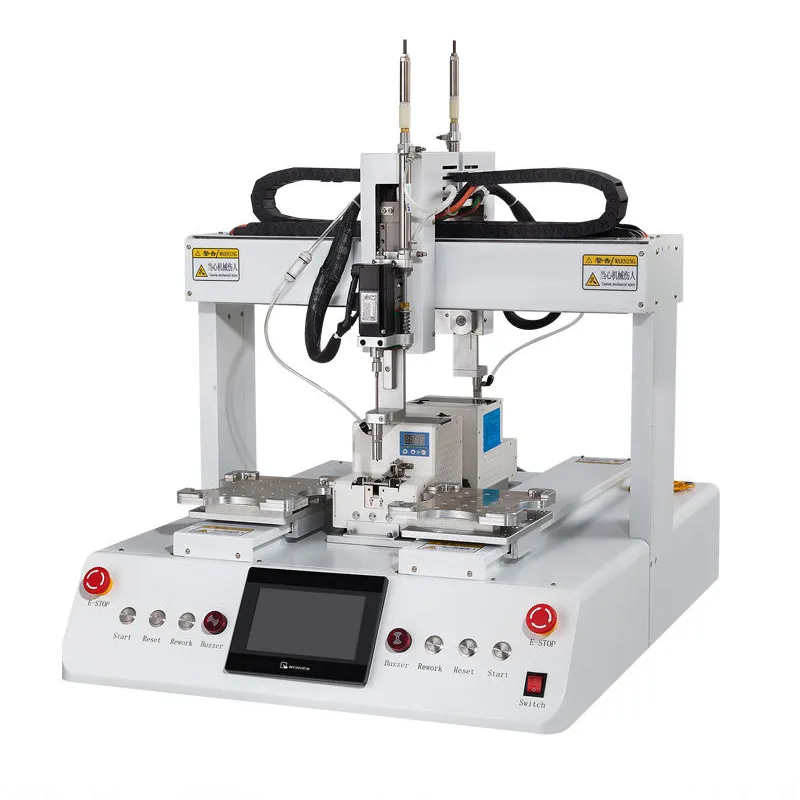
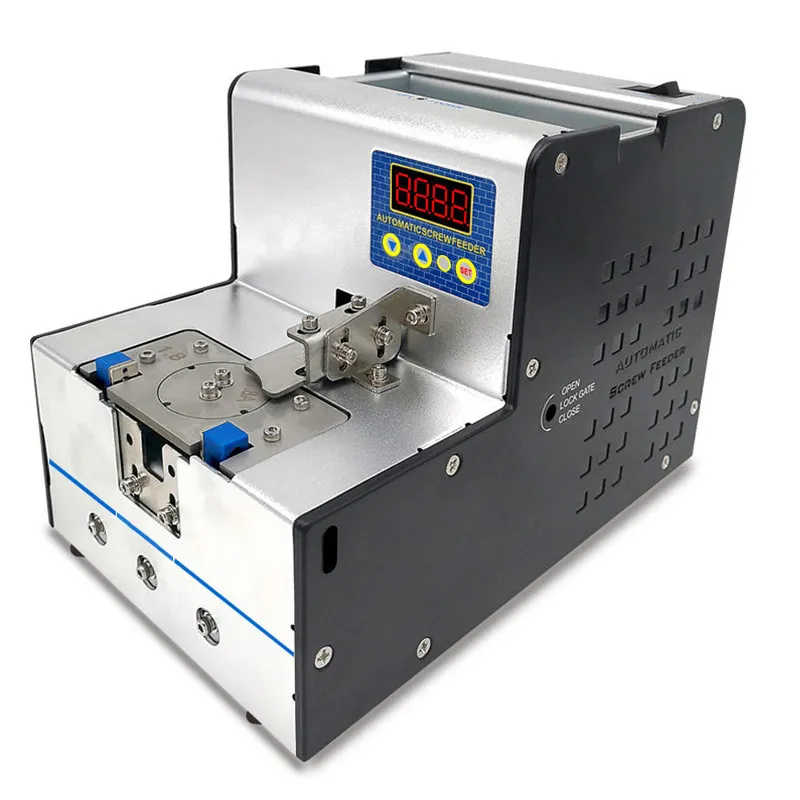
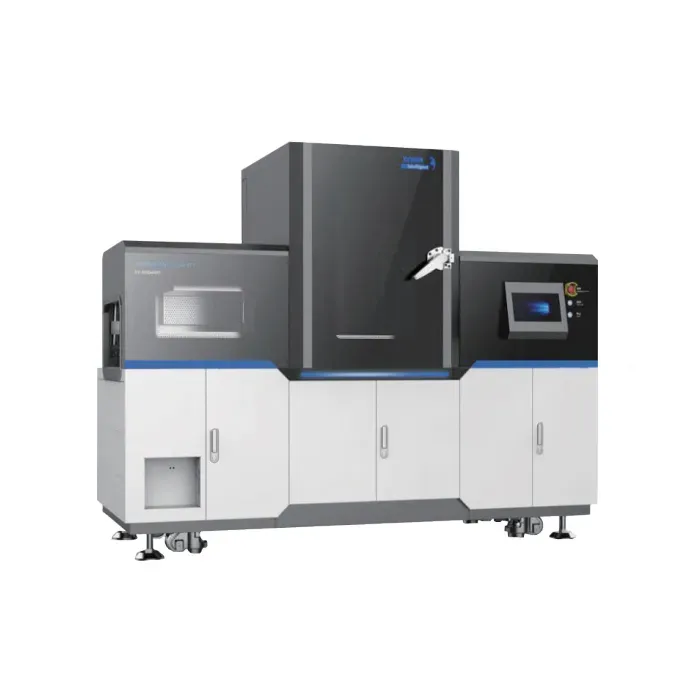
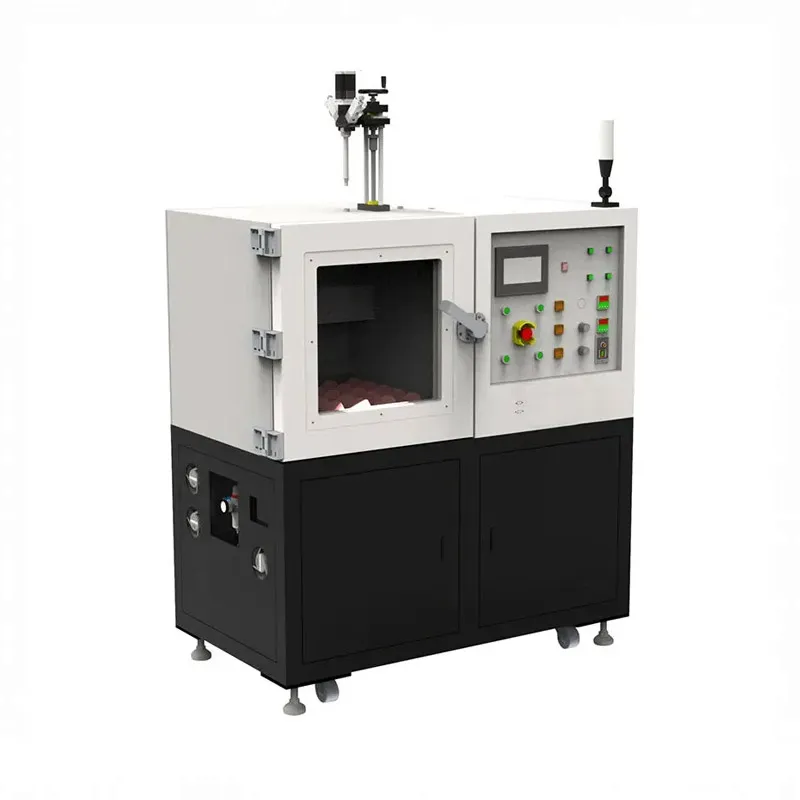
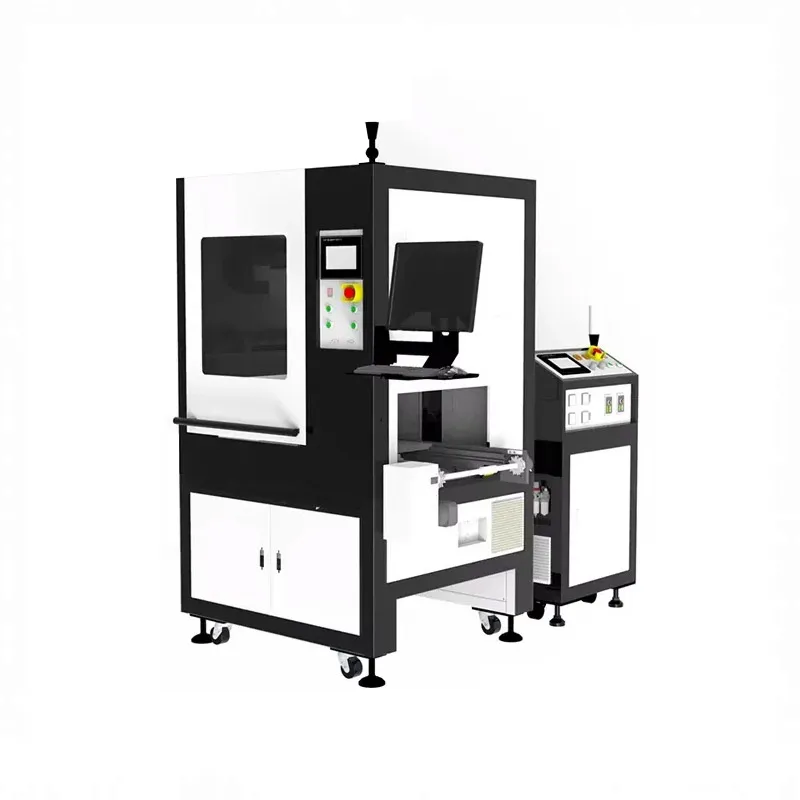
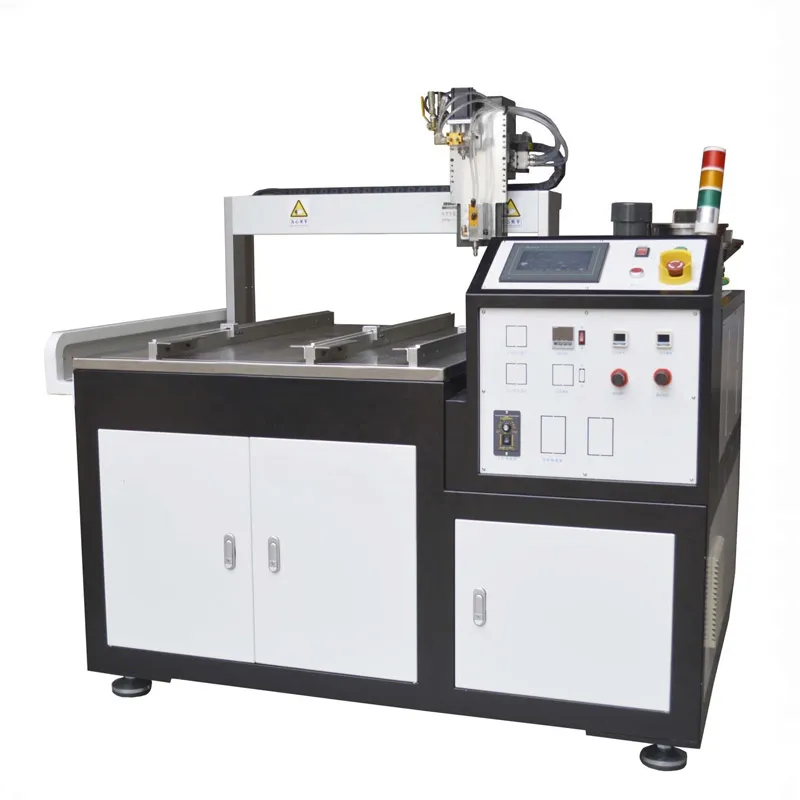
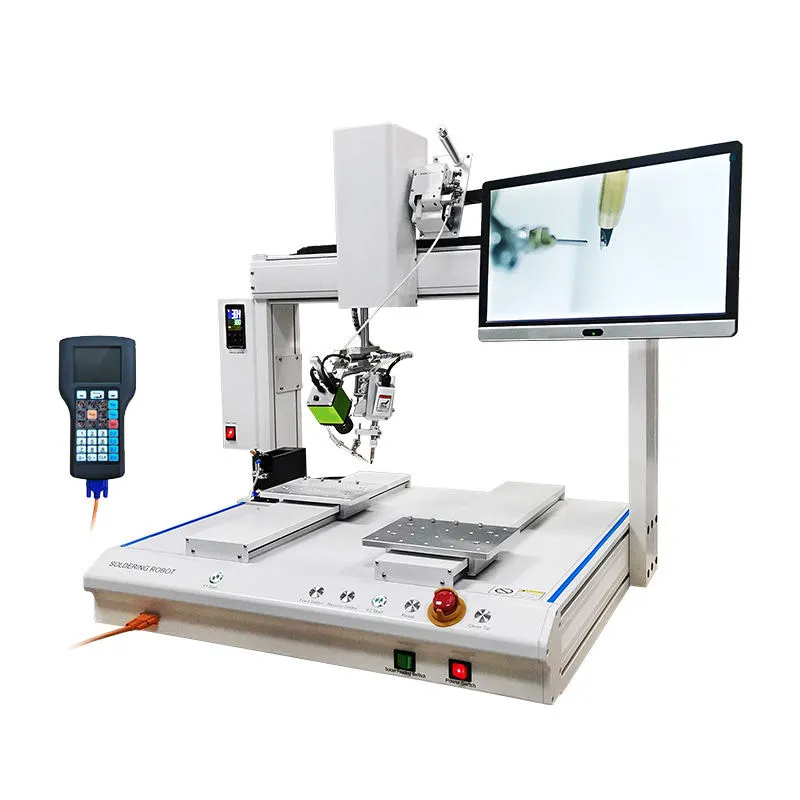
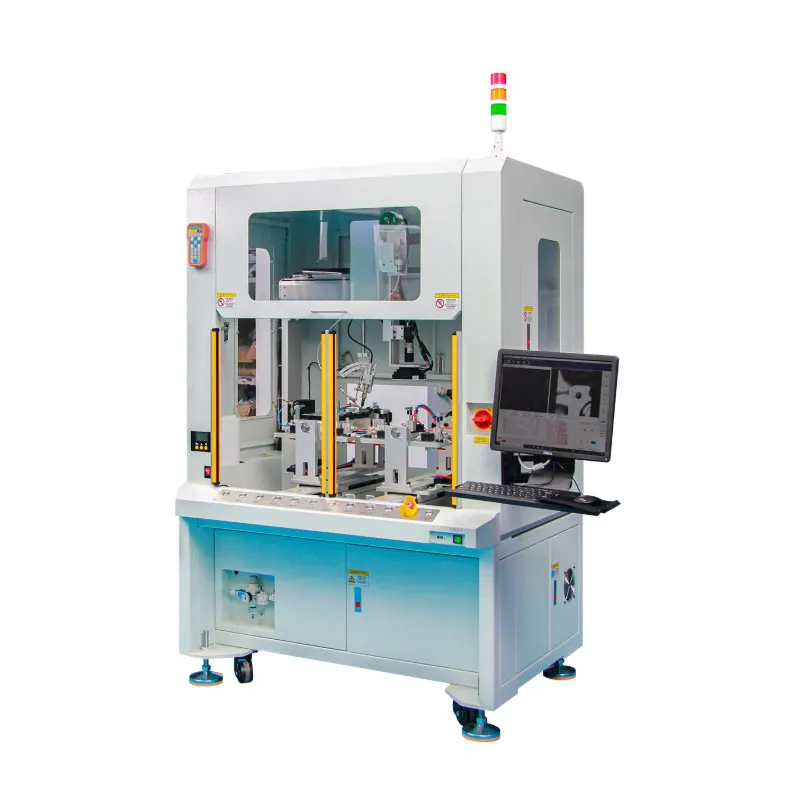
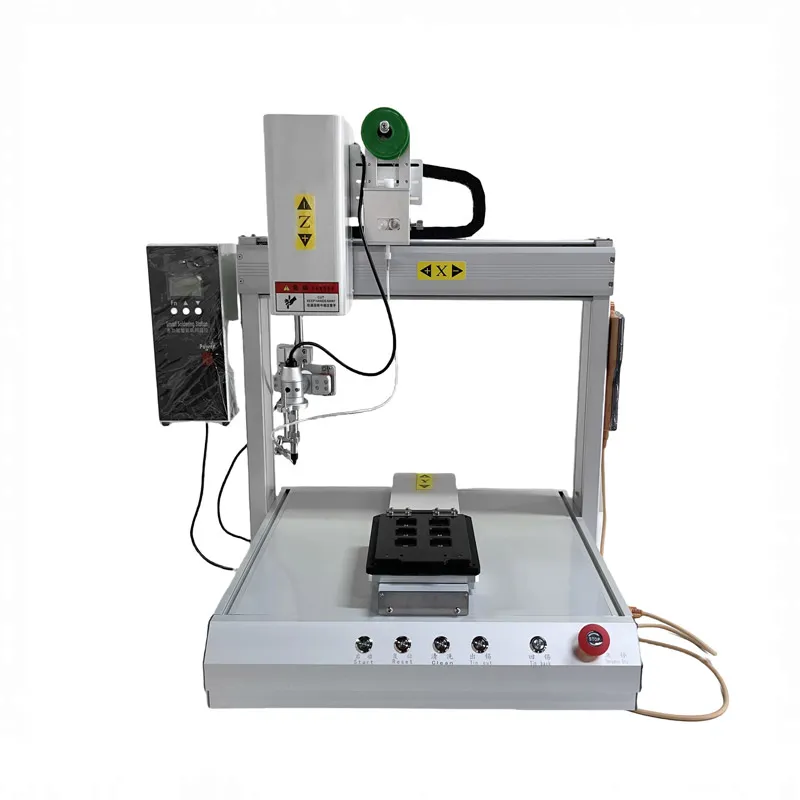
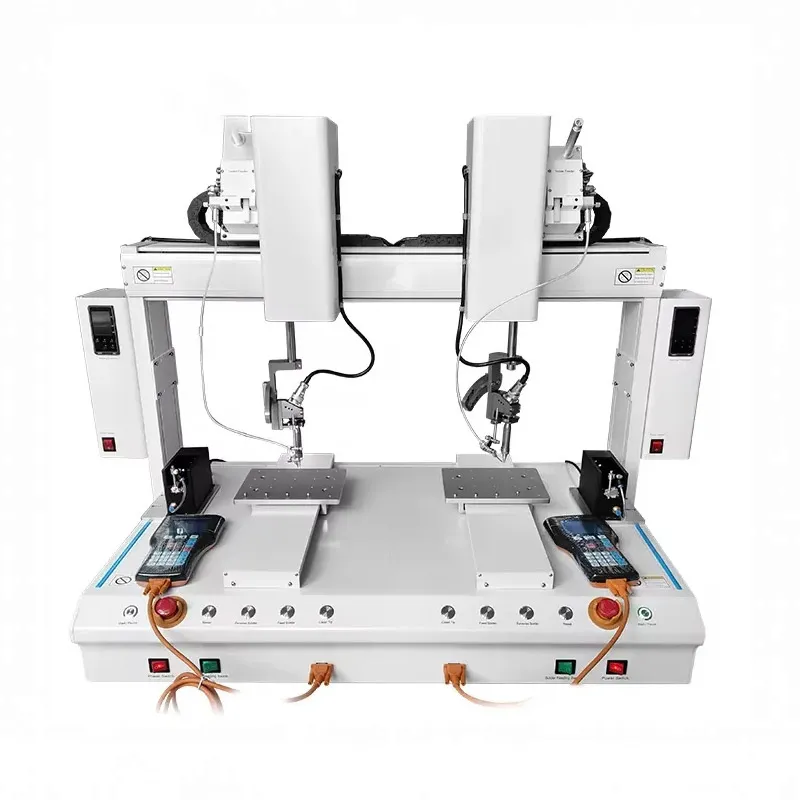
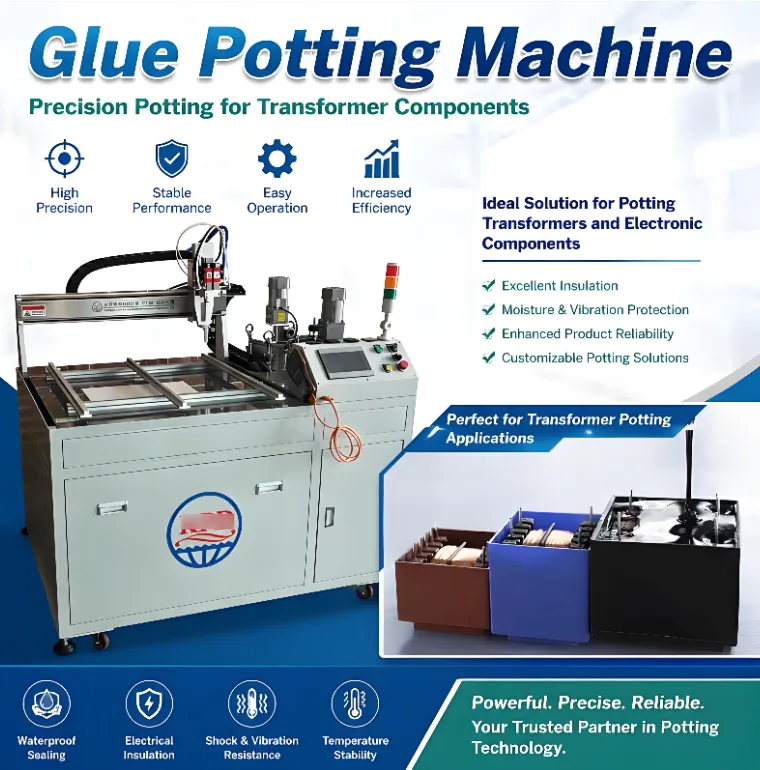
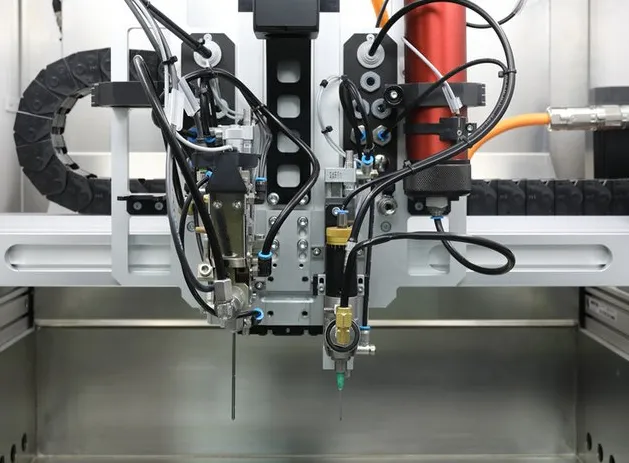
Selecting the perfect glue dispenser starts with understanding your adhesive (viscosity, one-part or two-part, curing method) and your specific application (precision, volume, and process type).
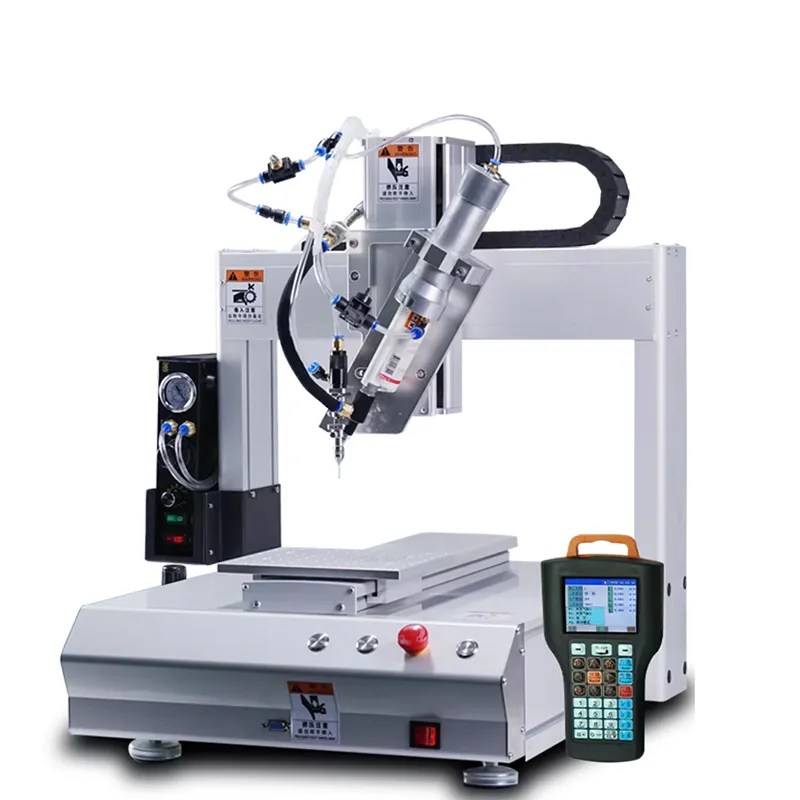
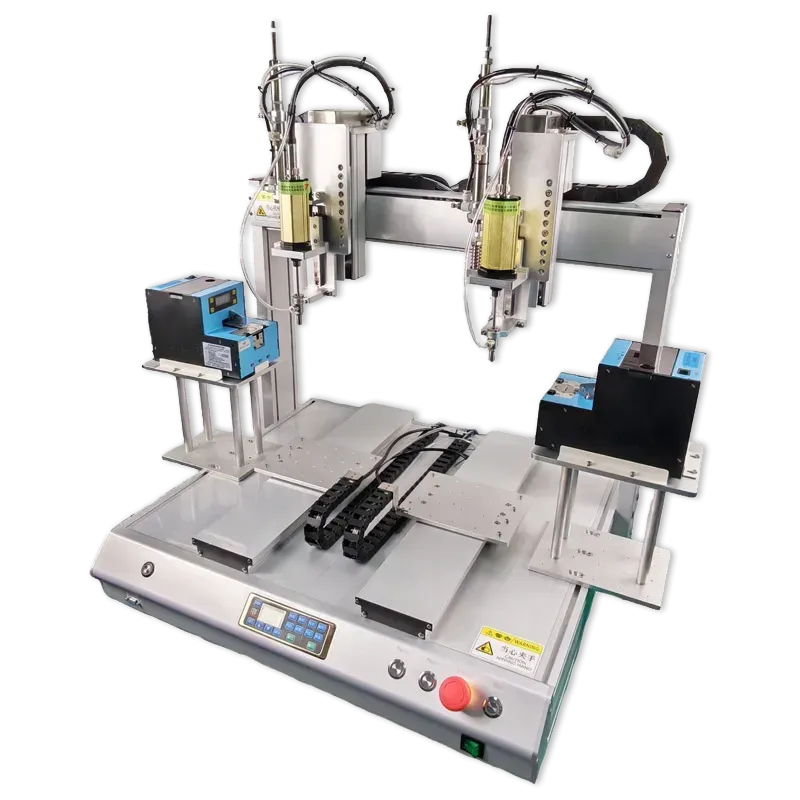
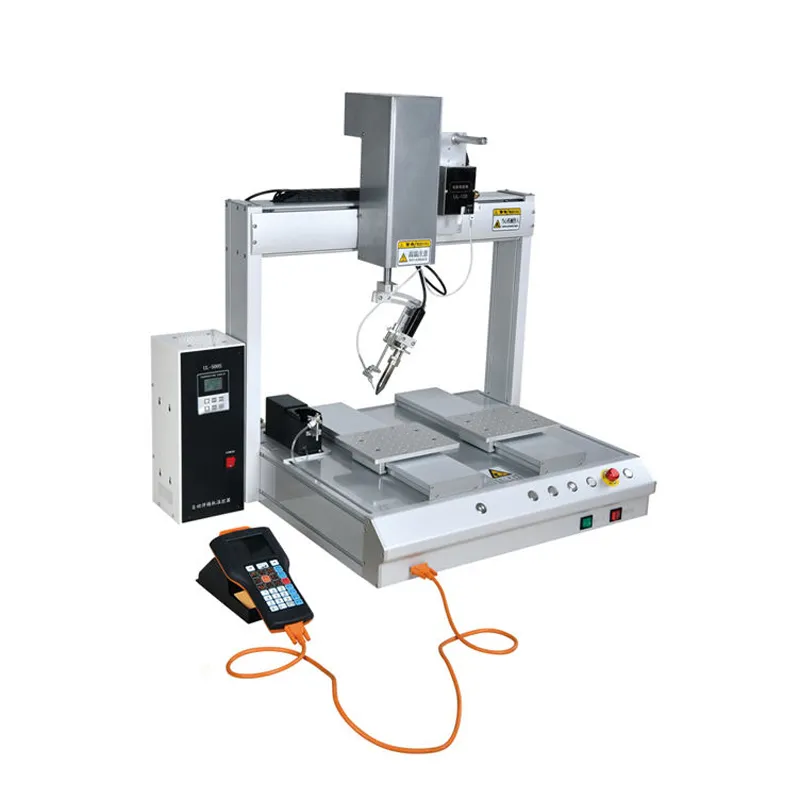
Match the machine to your needs: use simple time-pressure dispensers for basic single-component glues, meter-mix systems for two-part epoxies, precision valves or jet dispensers for high-accuracy electronics, and progressive cavity pumps for thick or abrasive materials.
Key factors to consider include material compatibility, anti-drip features, repeatability, ease of maintenance, and future scalability. Always request a sample test with your actual glue before purchasing.
The goal is simple: reduce waste, improve consistency, boost productivity, and achieve faster ROI. The right dispenser isn’t the most expensive one — it’s the one that perfectly fits your production reality.
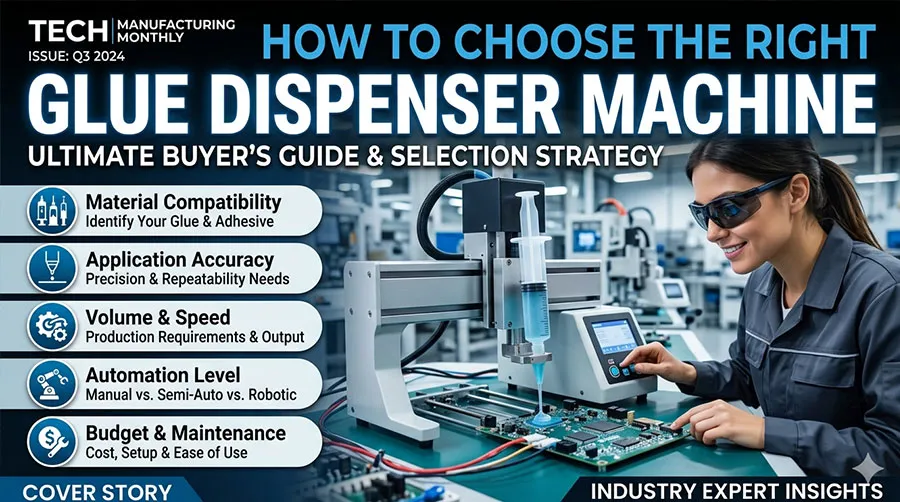
A Practical Buyer’s Guide for 2026
In today’s fast-paced manufacturing world, getting your adhesive application right can make or break product quality, production speed, and your bottom line. Whether you’re assembling delicate electronics, sealing automotive parts, packaging consumer goods, or potting medical devices, choosing the perfect glue dispenser machine is more important than ever.
But with so many options available — from simple manual syringes to advanced robotic jet valves — how do you decide what’s best for your needs? This guide walks you through a clear, step-by-step process to help you make a smart, confident choice.
Step 1: Start with the Basics — Understand Your Adhesive and Application
The golden rule of selecting a glue dispenser? Match the machine to your glue and your process, not the other way around.
Before looking at any equipment, answer these three key questions:
What type of adhesive are you using?
Single-component (one-part) glues or two-component (AB epoxy, polyurethane) mixes? Low-viscosity liquids or thick, high-viscosity pastes (>100,000 cps)? Does it contain abrasives, cure with UV light, or have a short pot life after mixing?
What does your application look like?
Are you applying tiny micro-dots on circuit boards, consistent beads for sealing, spray patterns, or filling large cavities? Is it for prototyping, medium-volume runs, or high-speed automated production lines?
What’s your production volume and precision requirement?
Low-volume manual work needs something simple and affordable. High-volume lines demand repeatability, speed, and minimal waste.
Pro tip: Write down your glue’s technical data sheet (viscosity, chemistry, curing method) and your target shot size or bead width. This information will save you hours later.
Step 2: Know the Main Types of Glue Dispensers
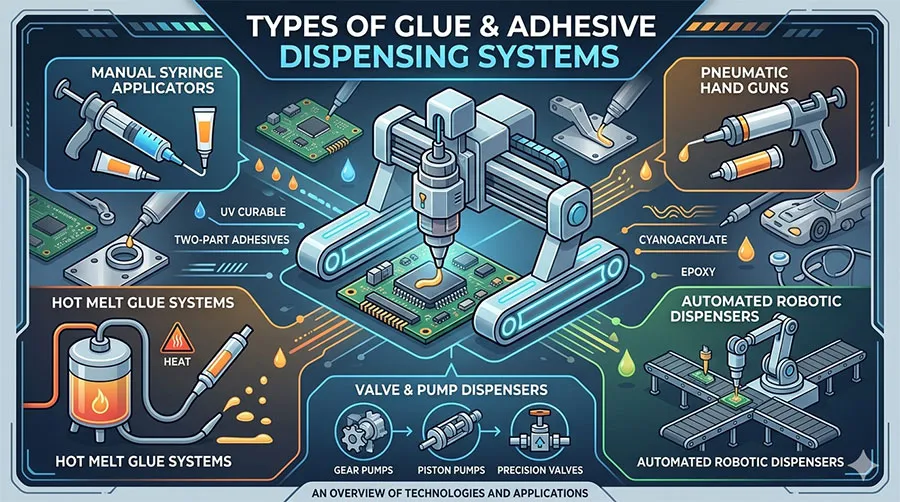
Here’s a quick comparison of the most common dispenser types to help you narrow things down:
|
Dispenser Type
|
Best For
|
Key Advantages
|
Limitations
|
Typical Precision & Speed
|
|
Manual / Syringe Style
|
Prototyping, crafts, low volume
|
Inexpensive, easy to use
|
Operator-dependent, lower repeatability
|
Low
|
|
Time/Pressure (Pneumatic)
|
Medium volume, single-part glues
|
Affordable, simple setup
|
Viscosity changes affect accuracy
|
Medium
|
|
Meter-Mix & Dispense (2K)
|
Two-component epoxies & polyurethanes
|
Precise mixing ratio, handles short pot life
|
Higher initial cost
|
High (±1%)
|
|
Valve Systems (Needle, Diaphragm, Auger, Spool)
|
High-precision electronics & medical
|
Excellent anti-drip (suck-back), micro-dispensing
|
Needs proper valve for your glue
|
Very High
|
|
Jet Valve (Non-Contact)
|
Ultra-high-speed electronics
|
Fastest (up to 2000 Hz), no stringing
|
More expensive
|
Extremely High
|
|
Progressive Cavity (PC) Pump
|
High-viscosity or abrasive glues
|
Accuracy independent of viscosity
|
Higher cost
|
Highest (±1%)
|
|
Robotic / Fully Automated
|
High-volume production lines
|
Consistent quality, labor savings
|
Larger investment
|
Highest
|
Choose based on your adhesive’s behavior and your throughput goals. For example, thick or filled glues often perform best with auger or PC pumps, while fast-curing low-viscosity glues need good suck-back to prevent dripping.
Step 3: Essential Checklist Before You Buy
-
Material Compatibility — Ensure all wetted parts (tubing, valves, nozzles) won’t react with or clog from your specific adhesive.
-
Precision & Repeatability — Do you need ±1% accuracy or better? What’s the smallest shot size required?
-
Anti-Drip Features — Look for vacuum/suck-back control, especially with thinner glues.
-
Ease of Use & Maintenance — Is it easy to clean? Are spare parts readily available? Can operators be trained quickly?
-
Integration Potential — Will it work with your existing conveyor or robot? Can you upgrade later?
-
Temperature Control — Needed for hot-melt adhesives?
-
Total Cost of Ownership — Don’t just look at the purchase price. Factor in glue waste reduction, labor savings, and downtime.
Always ask the supplier for a sample test or demo with your actual adhesive. Seeing it perform in real conditions is the best way to validate your choice.
Common Pitfalls to Avoid
-
Buying purely on price — Cheap machines often lead to higher long-term costs from inconsistent dispensing, frequent clogging, or rework.
-
Ignoring adhesive properties — A dispenser that works great for one glue may fail completely with another.
-
Overlooking future growth — Choose equipment that can scale with your production if possible.
-
Skipping proper training and maintenance — Even the best machine needs regular care.
When you get it right, you’ll enjoy:
• More consistent product quality
• Less material waste
• Higher throughput
• Lower labor costs
• Faster ROI
Choosing the right glue dispenser machine isn’t about finding the “best” brand — it’s about finding the best fit for your unique combination of adhesive, application, and production goals.
Ready to take the next step?
Gather your adhesive details, production requirements, and any pain points you’re currently facing (dripping, inconsistency, slow speed, etc.). Zaijin Automatic Glue Dispenser Machine manufacturers are happy to provide application engineering support and free testing.