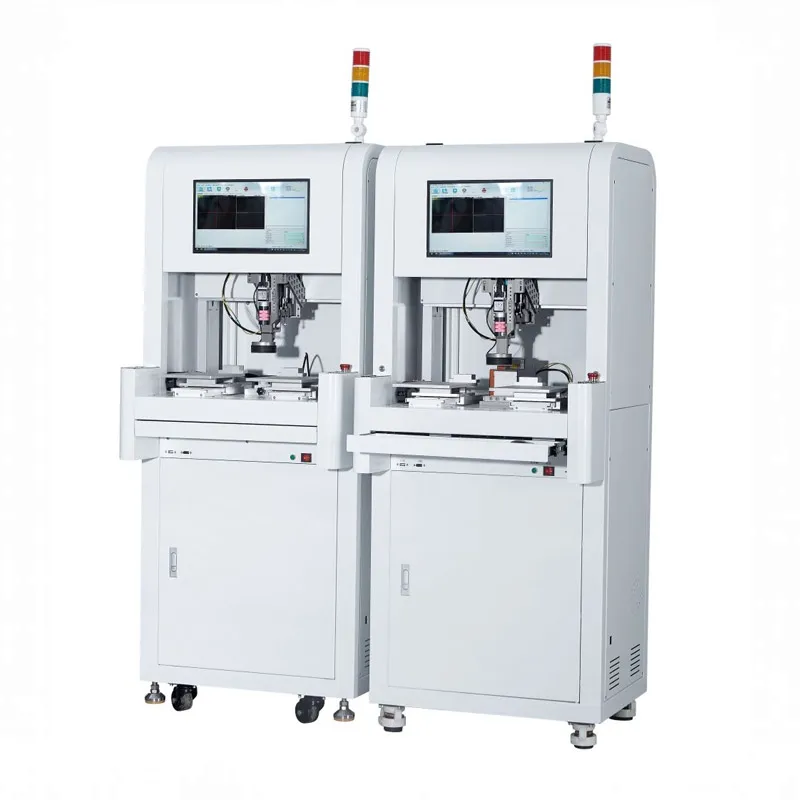
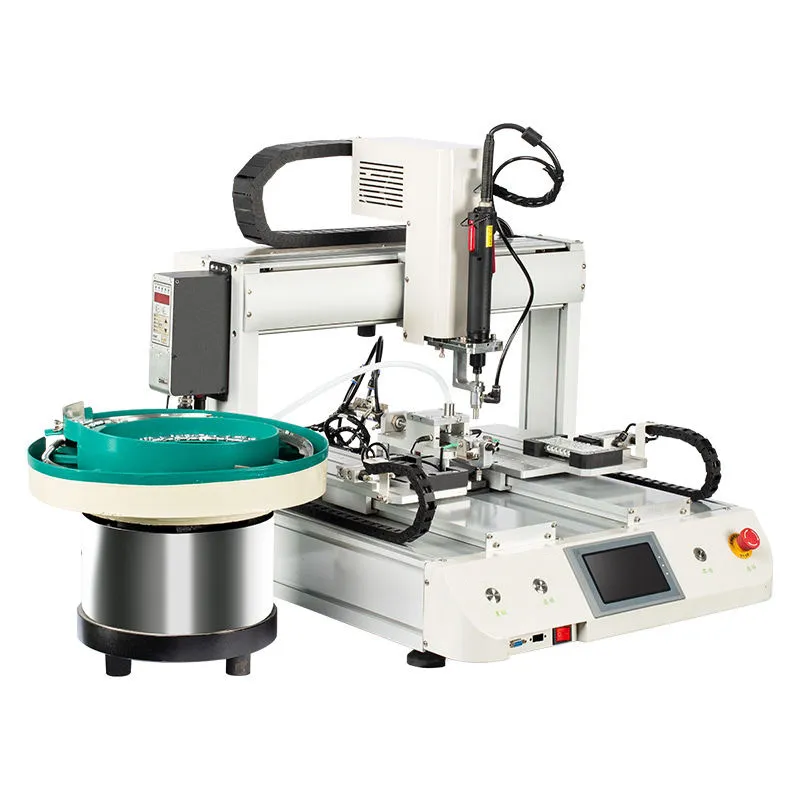
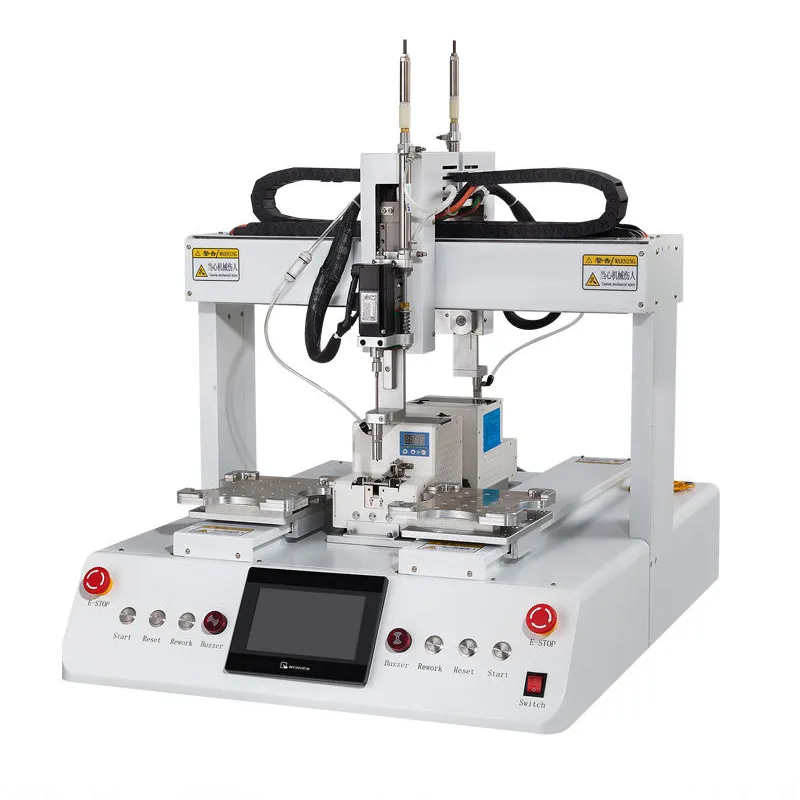
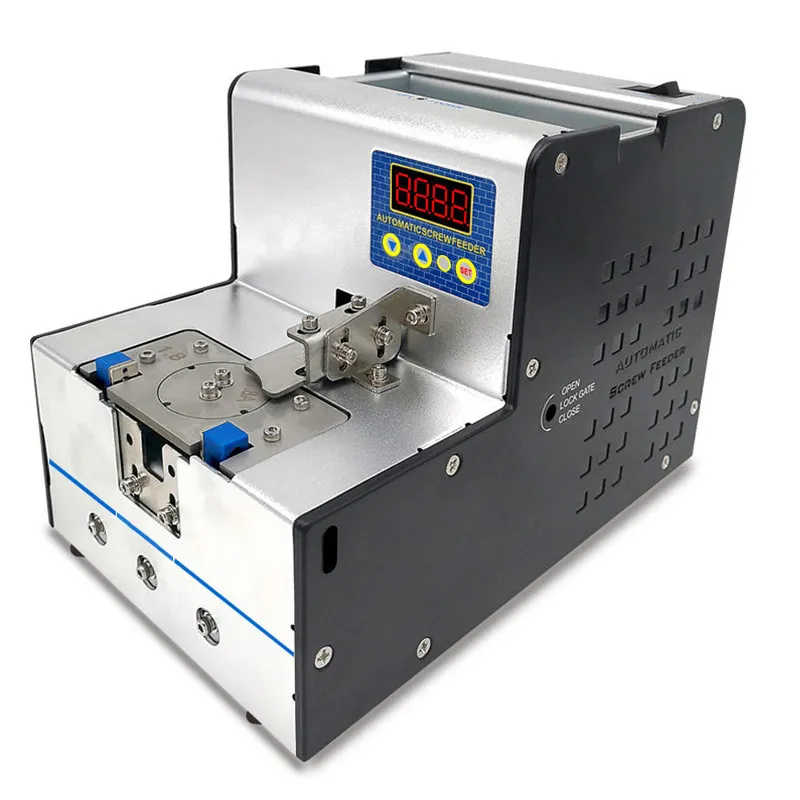
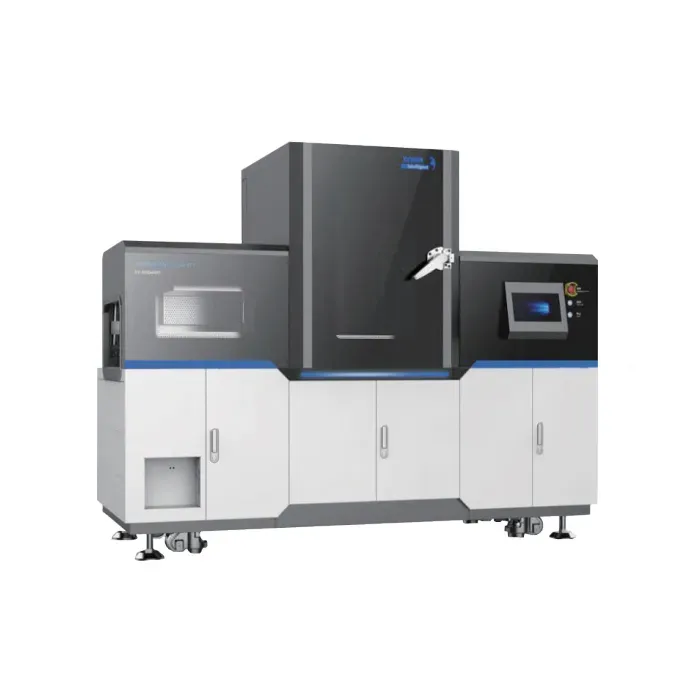
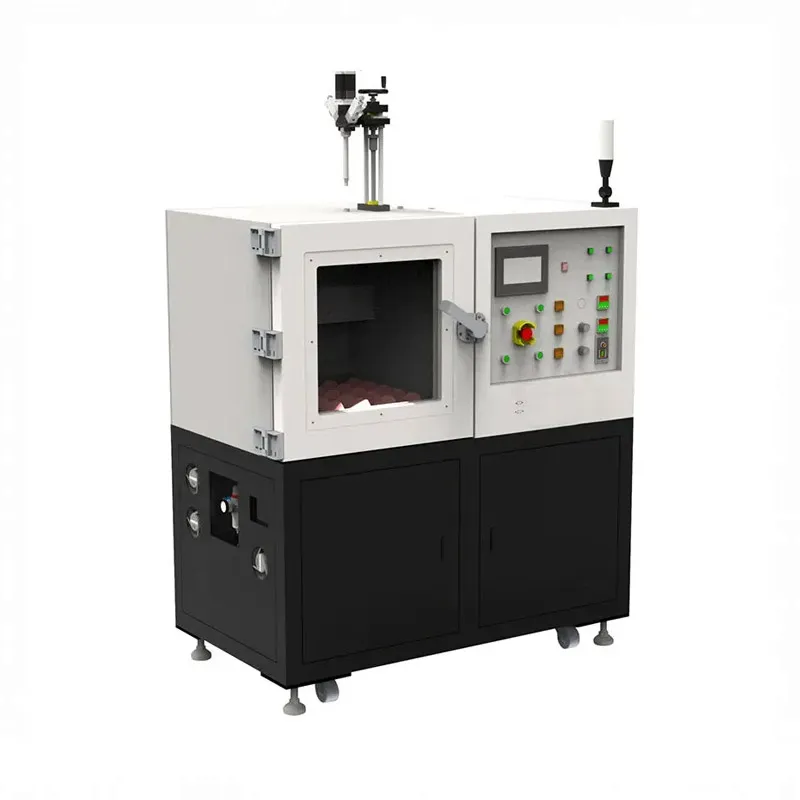
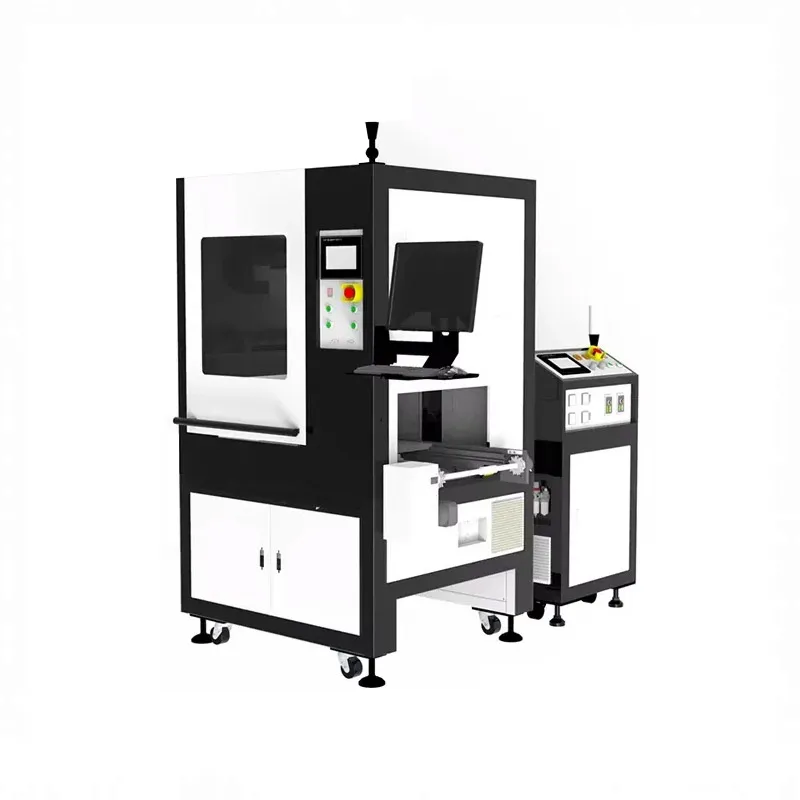
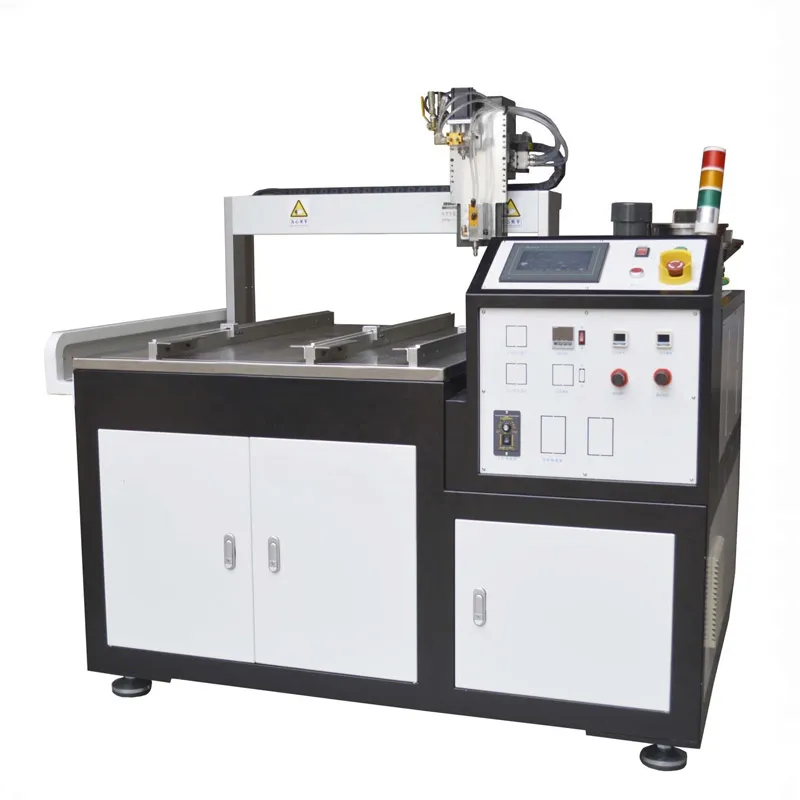
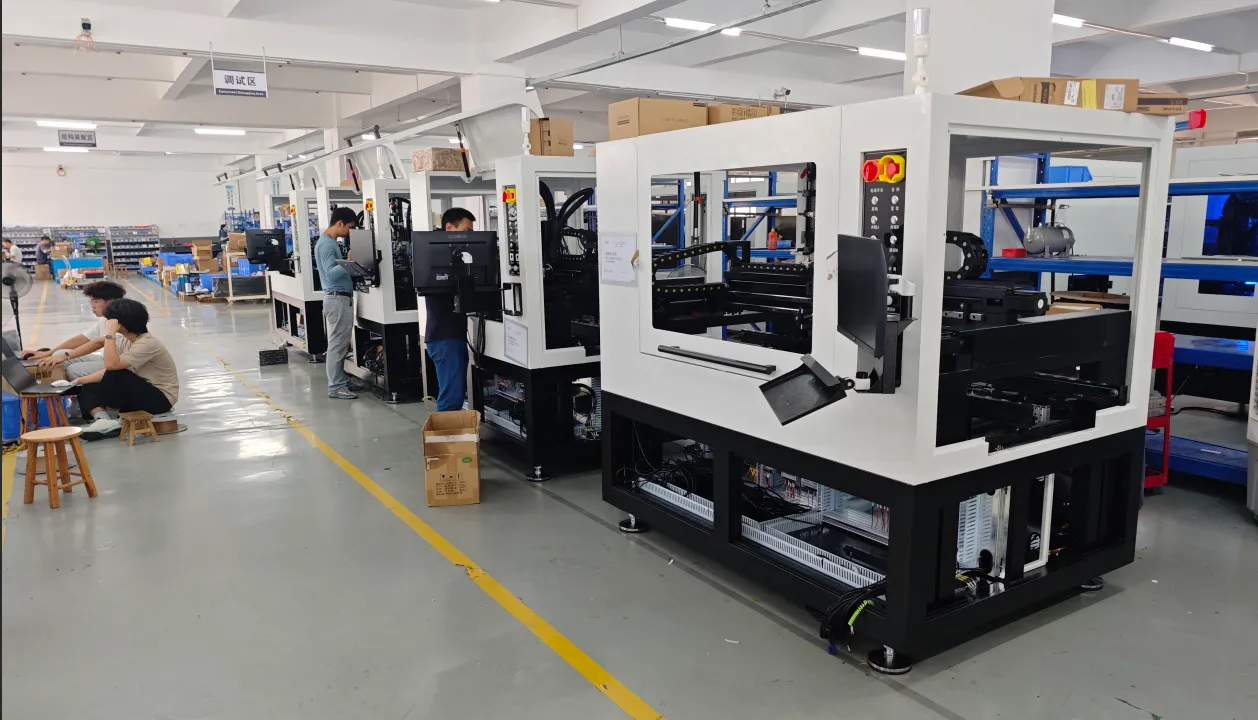
Automatic dispensing machine prices vary wildly—from $5,000 benchtop units to $150,000 six-axis systems. Factors like axis count, precision, and brand drive costs. However, total ownership including maintenance and downtime often exceeds the purchase price, so focus on long-term value.
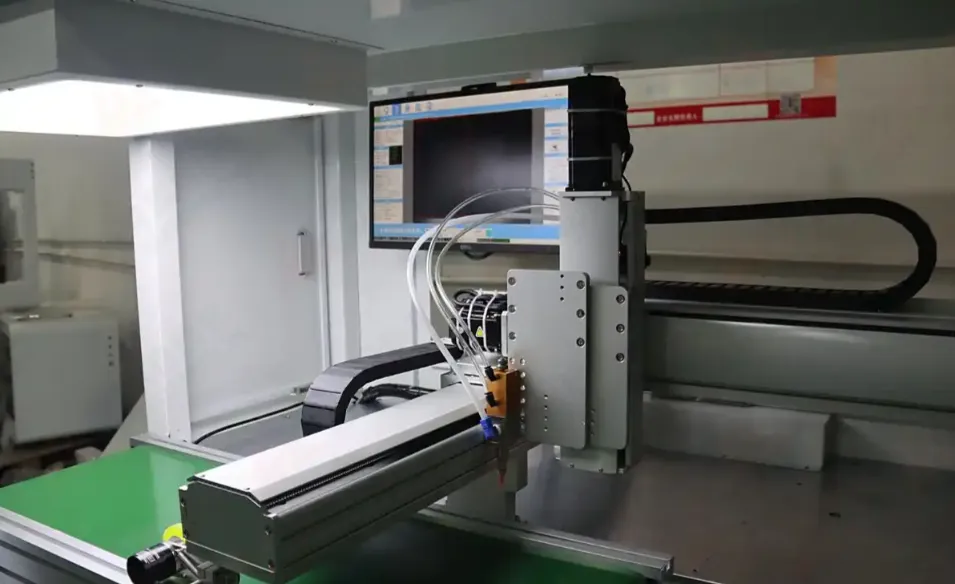
If you are shopping for an automatic dispensing machine, you have probably noticed that prices are all over the map. One supplier quotes you $4,000 for a benchtop robot, another wants $150,000 for an inline system, and a third throws out a number somewhere in between. The truth is, there is no single answer—but understanding why the numbers vary so wildly is the first step toward making a smart purchase.
The Price Spectrum
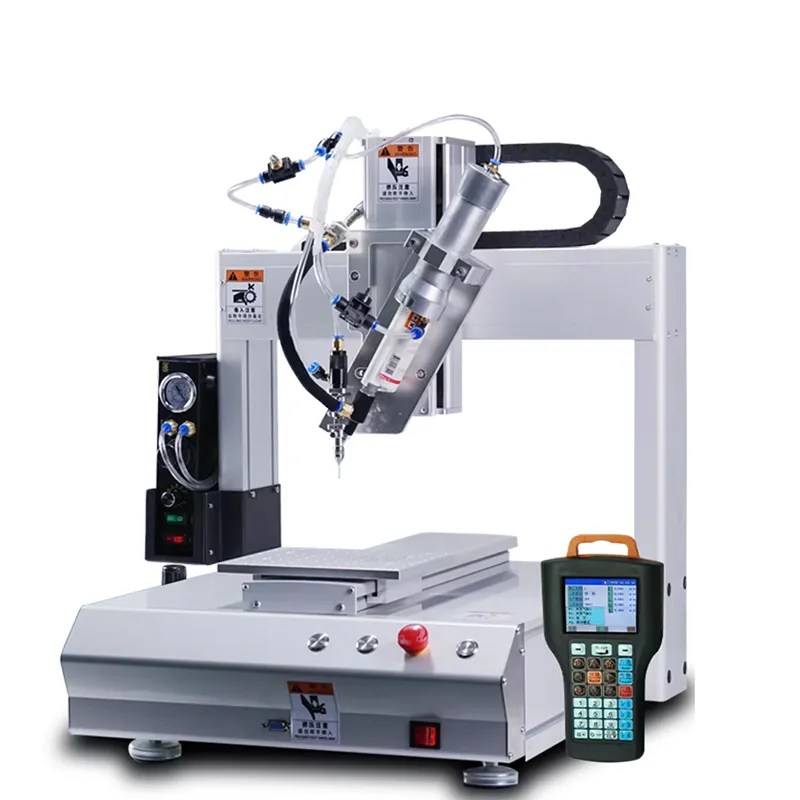
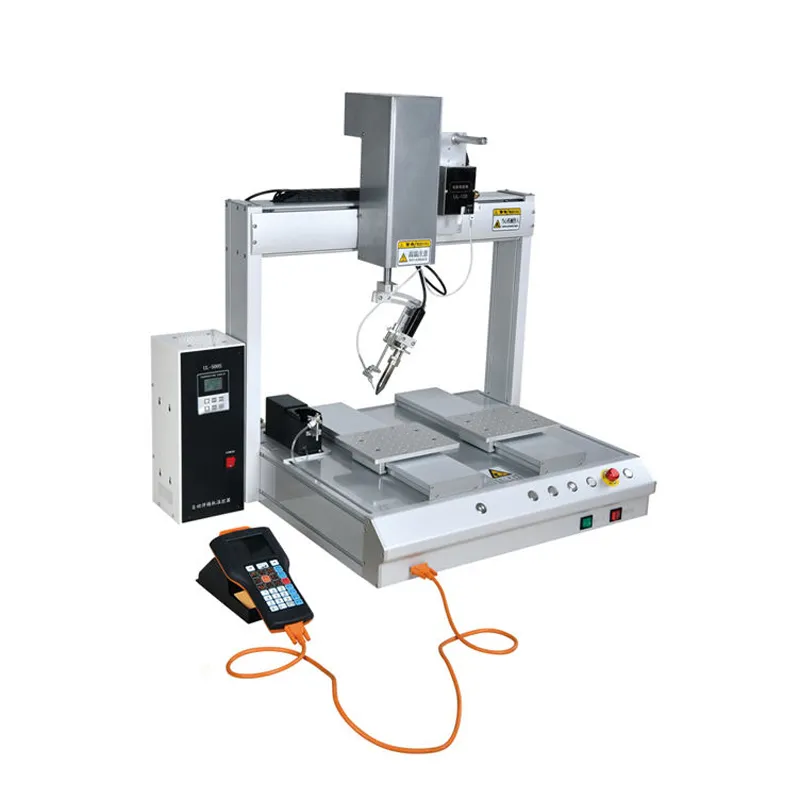
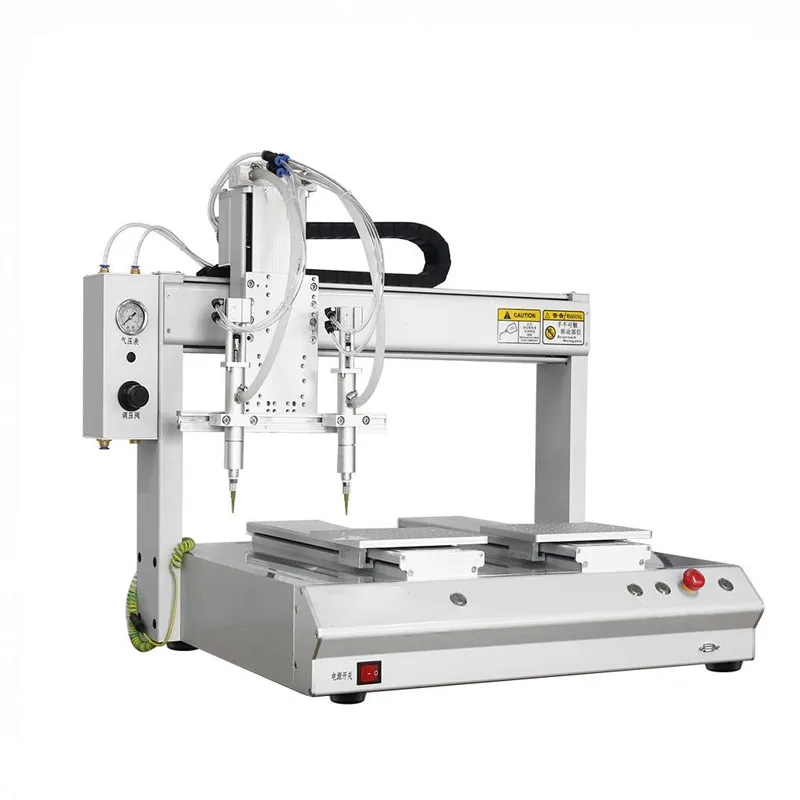
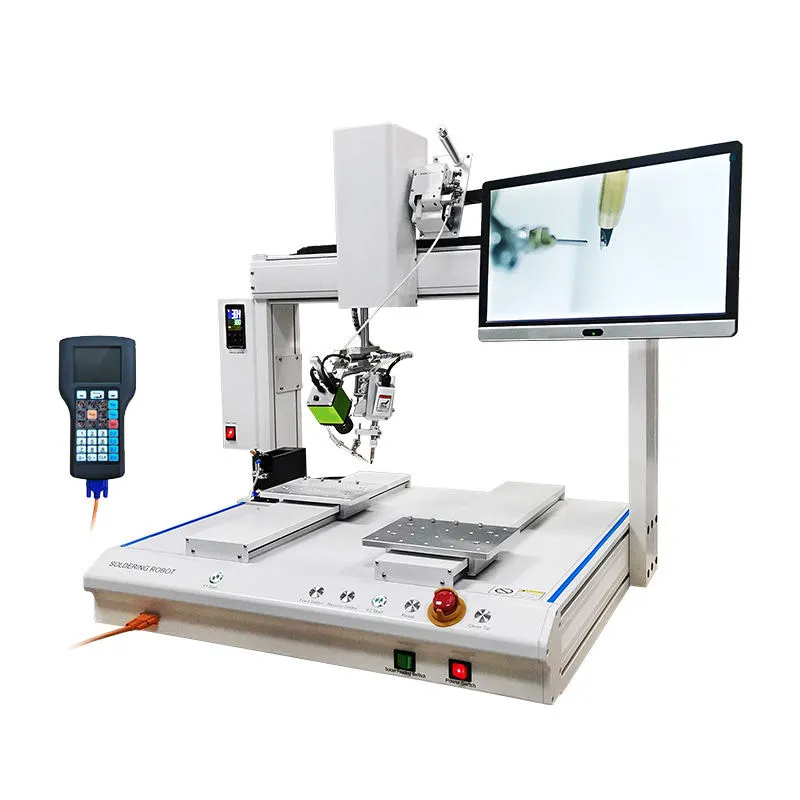
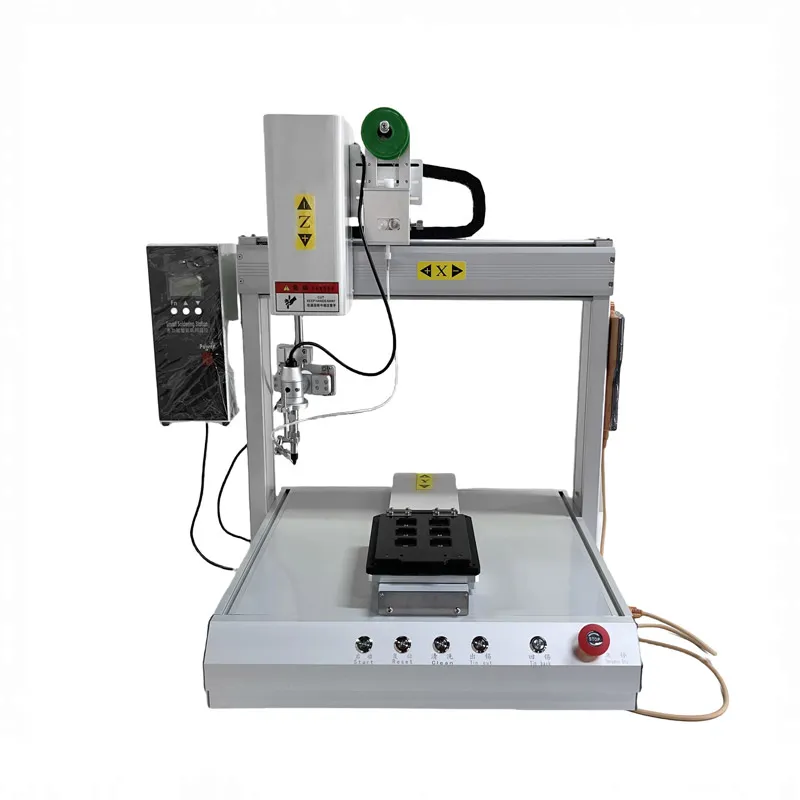
At the entry level, semi-automatic or manual dispensing equipment can cost anywhere from a few thousand to around $10,000. These are basic units that still require significant operator involvement. Step up to a benchtop Cartesian dispensing robot—like the I&J7100, which starts at roughly £4,000—and you are looking at a genuine robotic system that handles a 200mm x 150mm dispensing area and stores up to 100 programs. A Loctite RB40 series benchtop robot, by comparison, retails around $10,500.
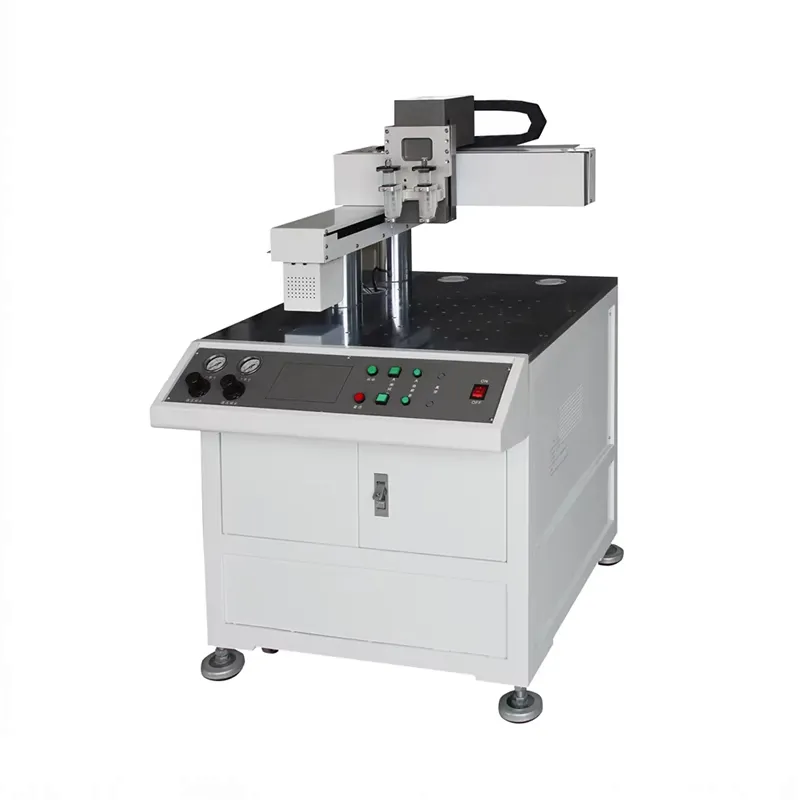
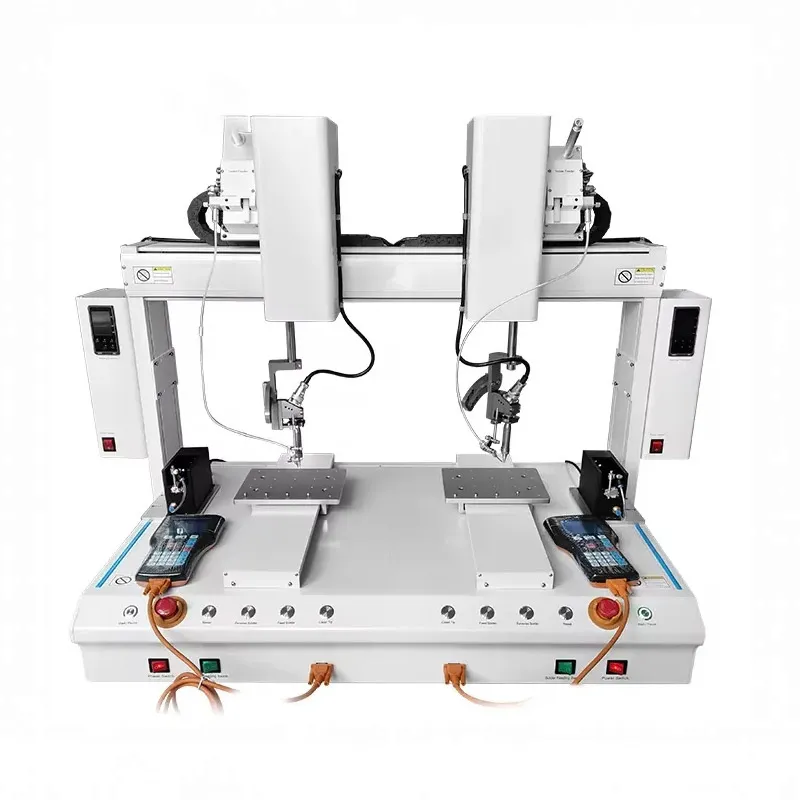
Move into the mid-range, and prices climb to $20,000–$50,000 for three-axis systems with better precision and throughput. The global average selling price for a dispenser in 2025 was approximately $17,000 per unit. But high-frequency smart dispensing machines—the kind used in semiconductor and medical device manufacturing—averaged around $5,165 per unit in 2024, with global production hitting 320,000 units. That number tells you just how broad this category really is.
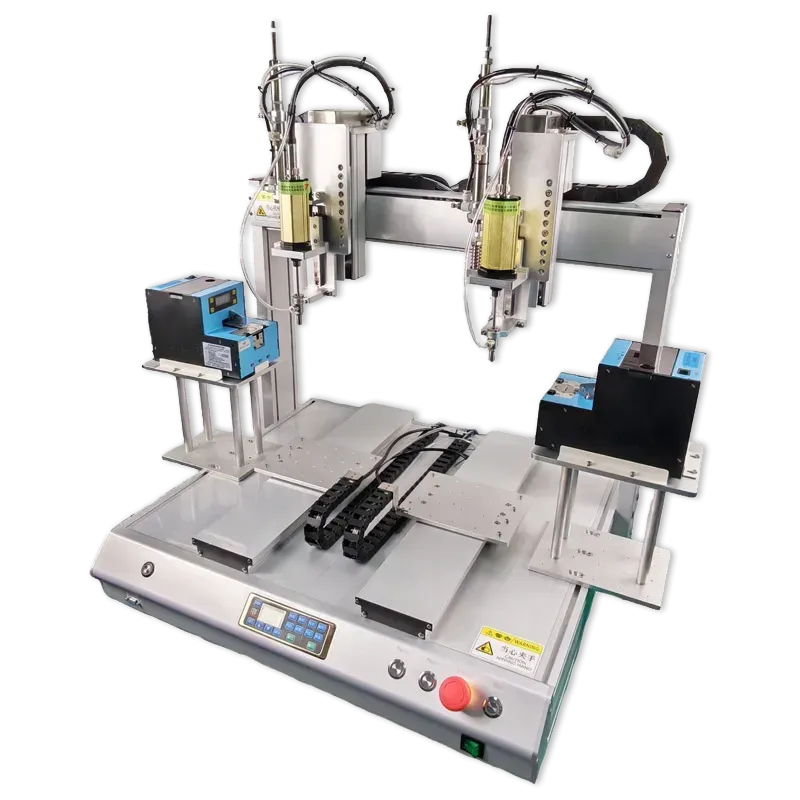
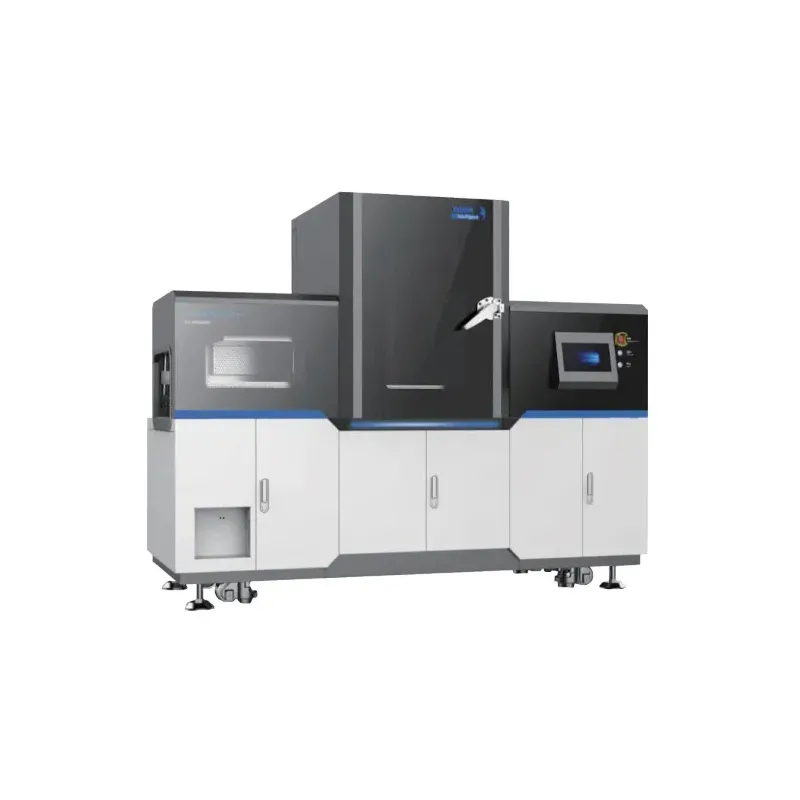
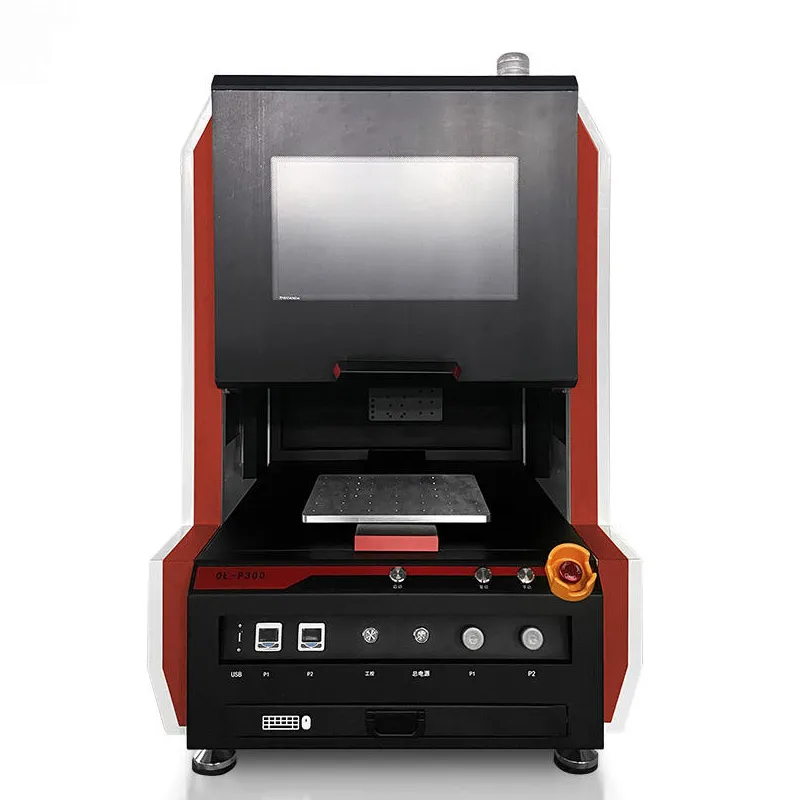
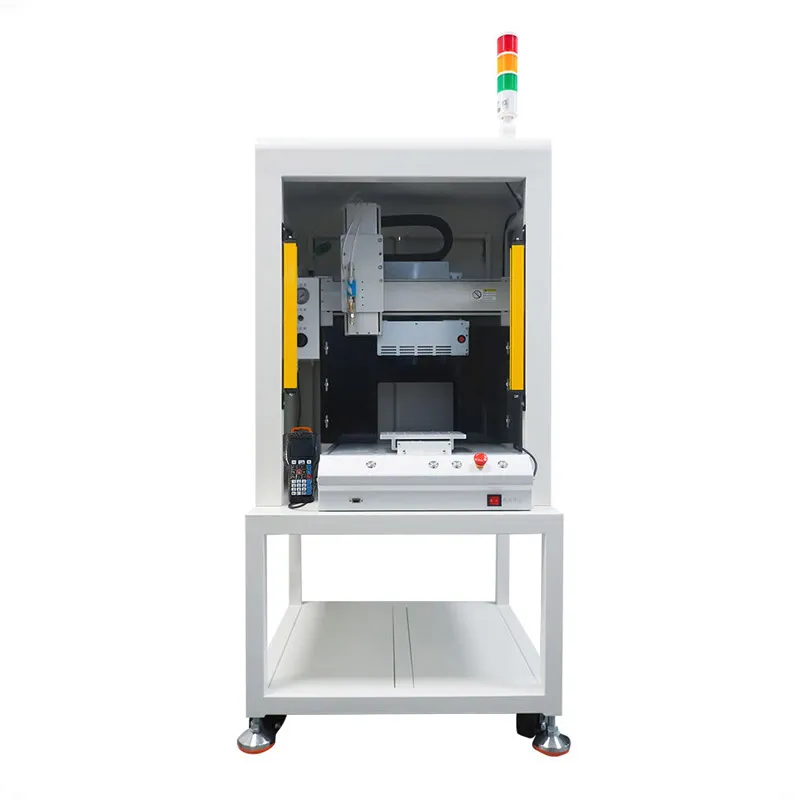
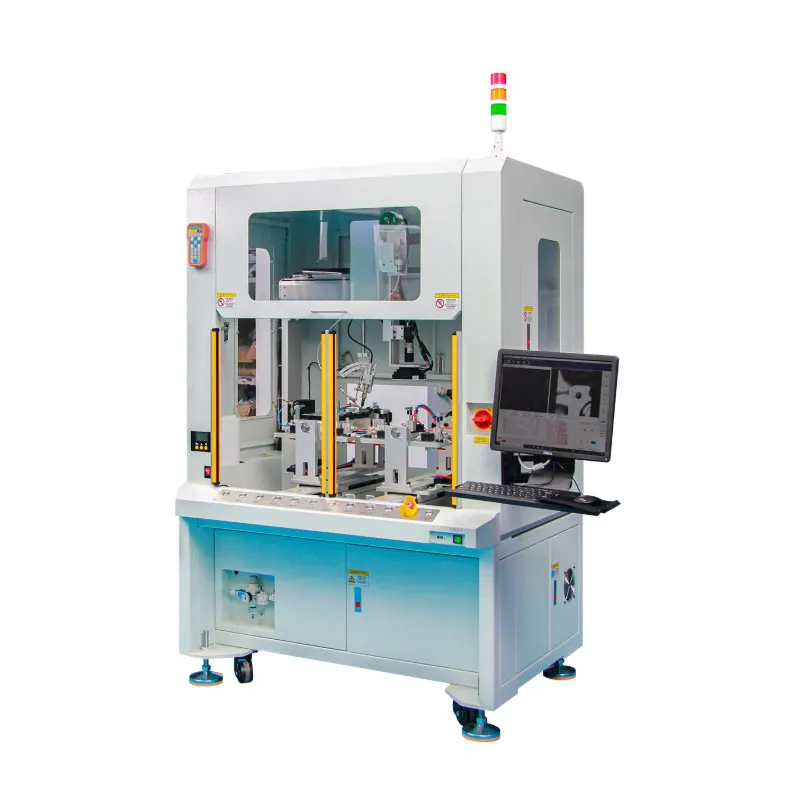
At the top end, fully automatic five-axis linkage systems integrating high-precision sensors and AI algorithms can cost hundreds of thousands of yuan (tens of thousands of U.S. dollars). Six-axis dispensing robots averaged roughly $150,000 per unit in 2025. Industrial inline systems for MiniLED production, such as dual-drive four-valve dispensers, range from $28,000 to $150,000 depending on configuration.
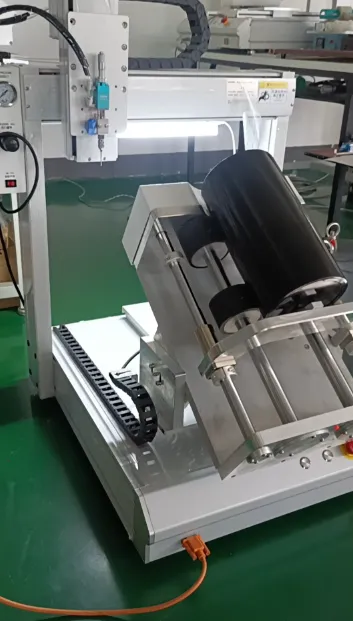
What Drives the Cost?
Three factors matter more than anything else. First, automation level and axes. A simple three-axis machine costs far less than a five- or six-axis system capable of complex 3D dispensing paths. Second, core components. Imported parts—German dispensing valves, Japanese servo motors—cost more than domestic alternatives but offer better stability and accuracy. Third, precision requirements. Semiconductor packaging demands repeatability of ±0.01mm, and that level of precision does not come cheap.
Brand also plays a role. Established names like Nordson, Musashi, and Henkel command higher prices than smaller manufacturers, partly because their R&D and after-sales support are built into the quote. Machine vision systems, which are increasingly standard on higher-end units, add significant cost as well—and many of these components still rely on imports.
Beyond the Sticker Price
Here is where many buyers get tripped up. The purchase price is only the beginning. Total cost of ownership (TCO) includes operation, maintenance, support, and productivity over the equipment's lifespan. A cheaper machine might save you $10,000 upfront but cost you far more in downtime, calibration drift, and maintenance. As one industry observer put it, low-cost machines can carry a high price in the long run.
Maintenance kits, spare parts, and the cost of downtime—which can run into tens or hundreds of thousands of dollars—should all factor into your decision. Some manufacturers offer comprehensive after-sales support, including 24-hour technical assistance and lifetime warranties, but these services are typically folded into the equipment quotation.
The Bottom Line
If you are a small assembly shop with modest needs and limited bench space, a benchtop robot starting around $5,000 might be all you require. If you are running a high-volume production line for automotive electronics or MiniLED displays, expect to invest $50,000 to $150,000 or more. The smartest approach is not to ask "How much does one cost?" but rather "What is the total cost of ownership for my specific application?" Get that calculation right, and the machine will pay for itself—often within one to two years. Get it wrong, and that "bargain" will cost you far more than you ever imagined.