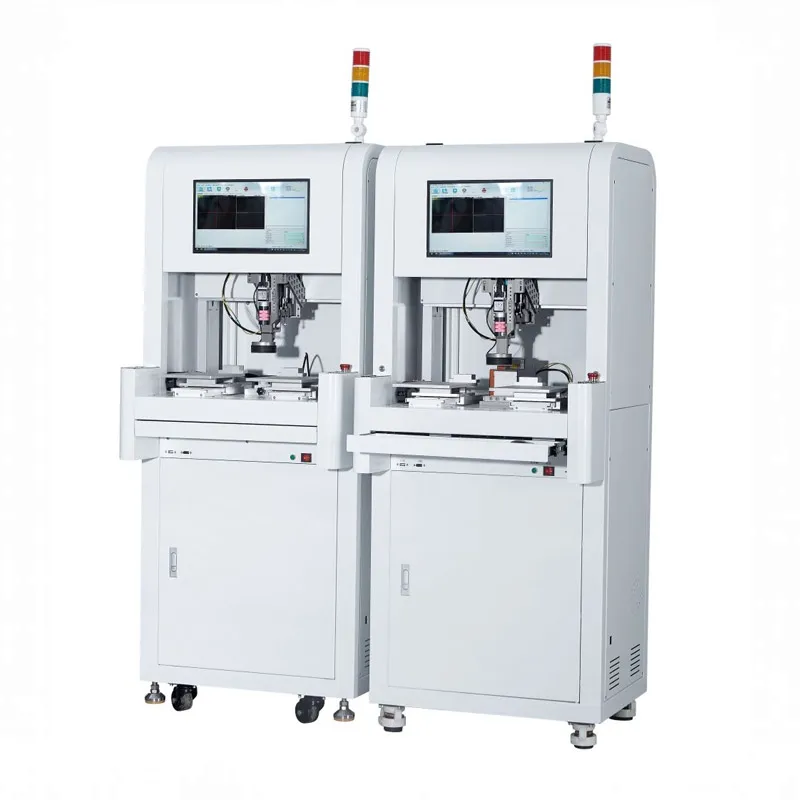
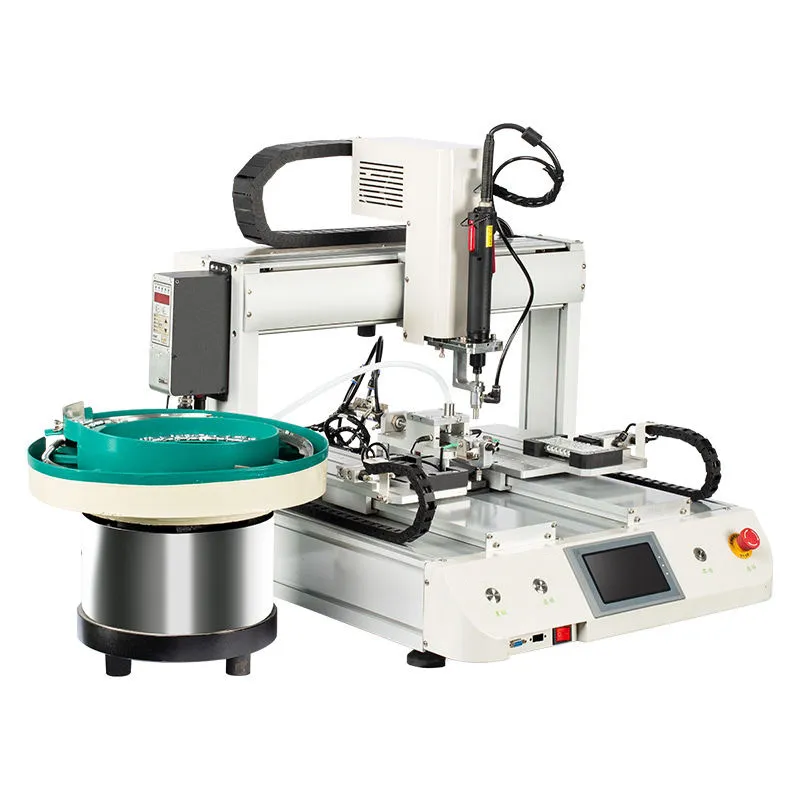
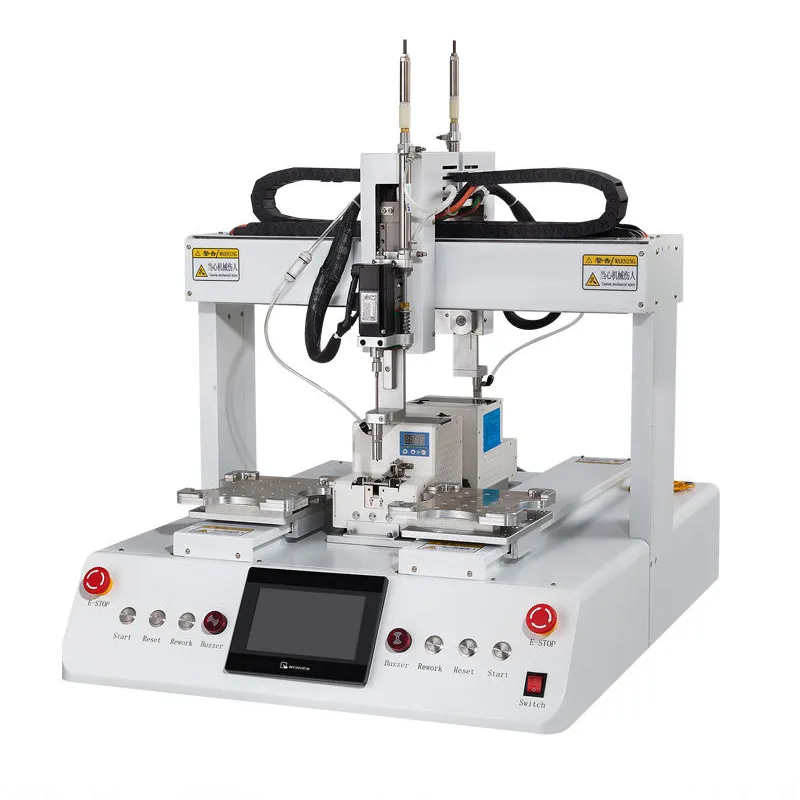
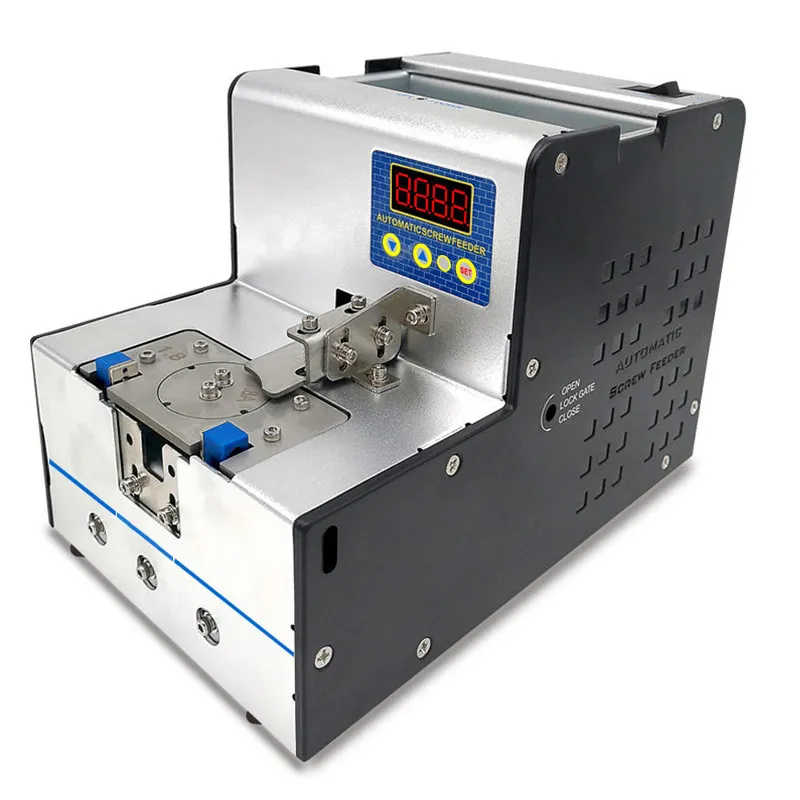
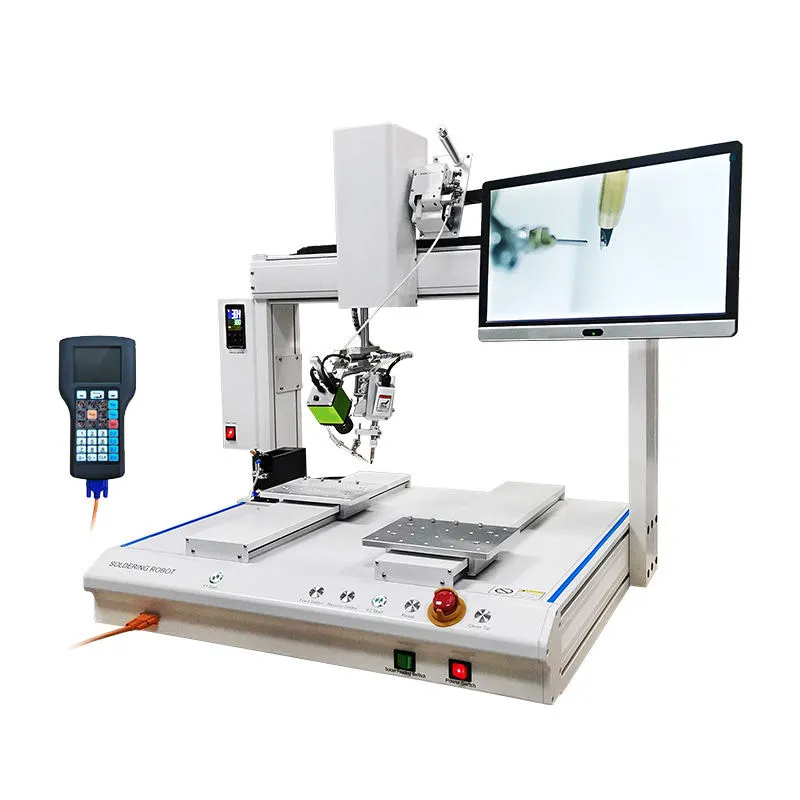
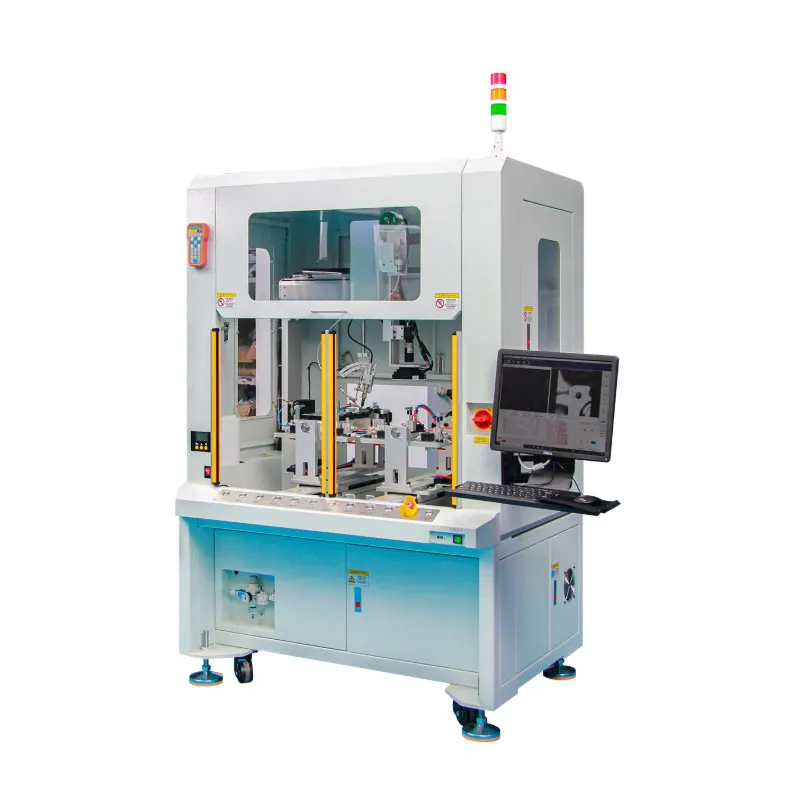
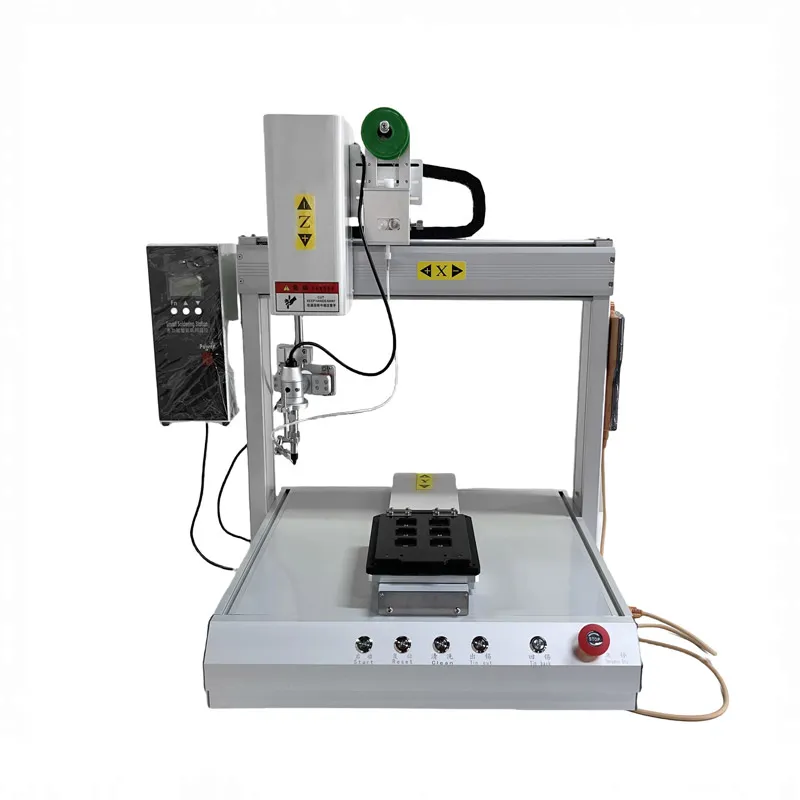
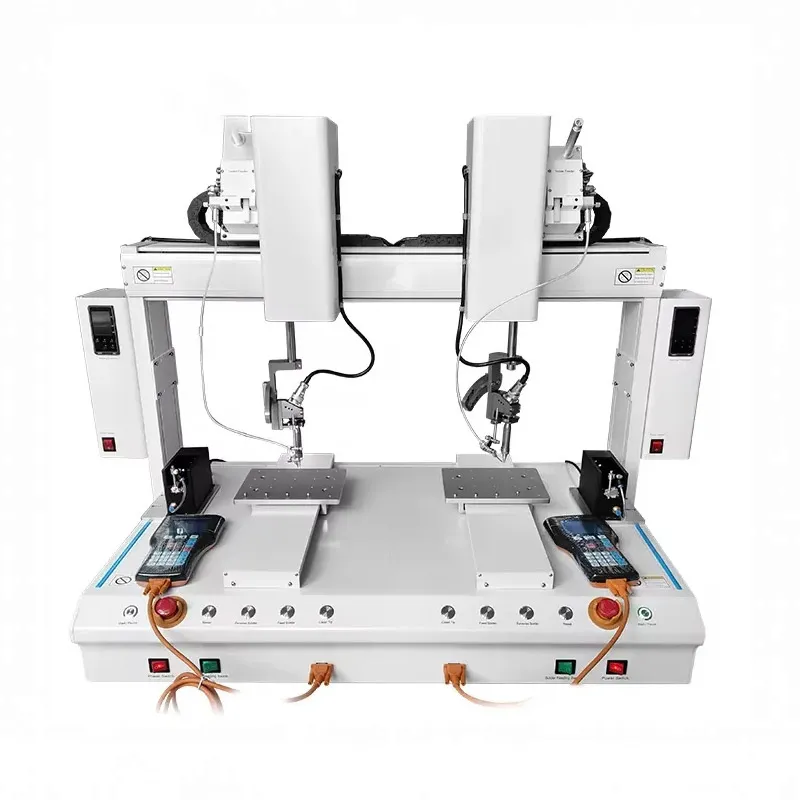
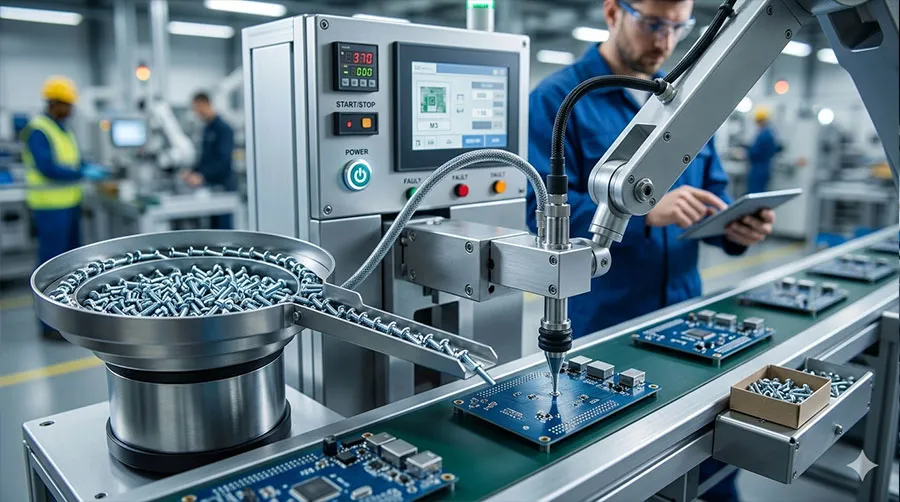
Start with your screws: Magnetic vs. non‑magnetic, head shape, and size determine whether you need a vibratory bowl, blow‑feed, or tape‑fed system.
Torque control is critical: Avoid cheap electric clutches. Look for servo‑driven systems with real‑time feedback and ±3% accuracy – plus torque curve logging for traceability.
Integration matters: The machine must work with your existing line (conveyor, robot). Open protocols like Modbus TCP/IP or discrete I/O are essential; proprietary lock‑ins are not.
Don’t forget the operator: Quick jam clearing, easy cassette loading, and fast bit changes protect your overall equipment effectiveness (OEE).
Final advice: Send your actual screws and products to 2–3 suppliers for a batch test. Watch torque graphs and listen for jams. Speed is nice – reliability is everything.
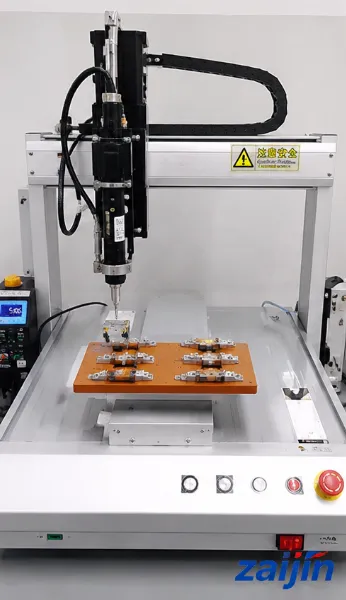
I’ve been designing and deploying automatic screw fastening systems for over 20 years. And if there’s one mistake I see buyers make again and again, it’s this: they pick a machine based on speed first, and then try to fit their application around it. That’s backwards.
Over the years, I’ve watched perfectly good machines sit idle on factory floors because someone ignored the basics. So let me save you some pain. Here’s what actually matters when you choose an automatic screw fastening machine for your B2B assembly line.
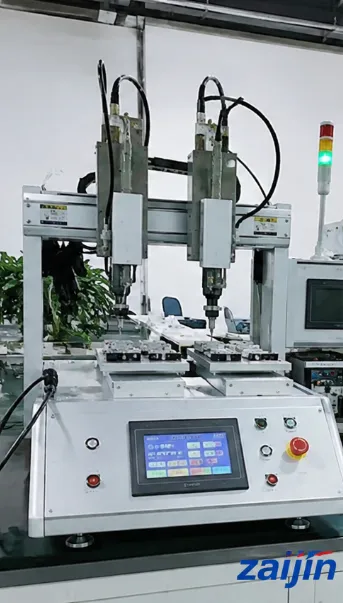
1. Know your screw – really know it
Before you even call a supplier, grab a box of your screws and look closely. Is it M1.2 or M6? Pan head, flat head, or set screw? Is it magnetic? The machine’s feeding system lives or dies on these details.
I once had a client who insisted on using stainless steel screws with a cheap vibratory feeder. No magnetism meant the screws wouldn’t orient properly. They blamed the machine. I handed them a small magnet and said, “try this screw against it.” Silence. We switched to a pneumatic blow-feed system. Problem solved.
Moral: non-magnetic or oddly shaped screws need blow-feed or tape-fed systems, not simple vibratory bowls.
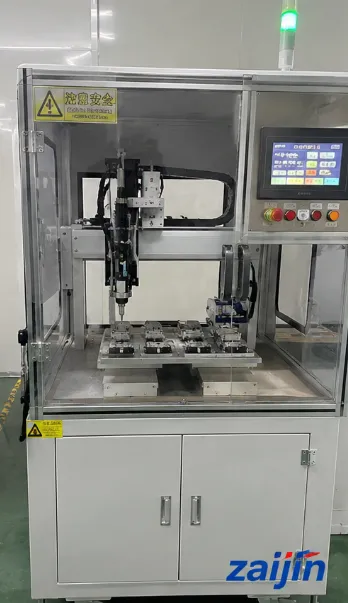
2. Torque control isn’t optional – consistency is everything
You think a cheap machine with an electric clutch works? It doesn’t – not for more than a week. For any serious assembly (think automotive, electronics, appliances), you want servo-driven torque control with real-time feedback. I’m talking ±3% accuracy or better. Why? Because a stripped thread or a loose joint on a battery terminal can cost you a recall. I’ve seen it happen.
Ask the supplier: can your machine record torque curves for every screw? If they blink, walk away.
3. Integration – will it play nice with your line?
A stand-alone machine that works great on a test bench can become a headache when you try to hook it up to your conveyor or pick-and-place robot. You need open protocols, not proprietary lock-ins. Modbus TCP/IP? Good. Discrete I/O? Even better. And make sure the program supports multiple screw patterns – because your product won’t stay the same forever.
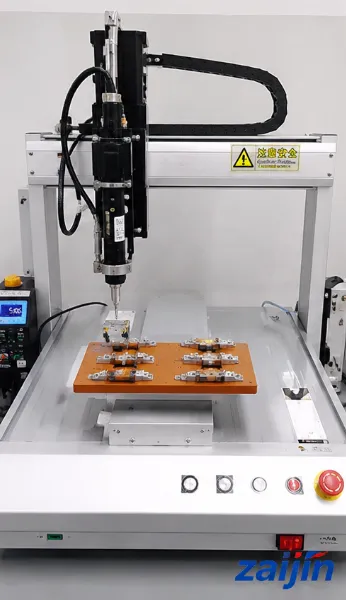
4. Don’t forget the operator
Yes, it’s “automatic.” But someone still has to load the screw cassettes, clear jams, and change bits. I always tell my customers: look at the tool change time and the feeder access. A machine that takes 30 minutes to clear a jam is a machine that kills your OEE.
Bottom line
Take a sample of your PCB or product, send it to two or three suppliers, and ask them to run a batch – with your screws, your components. Watch the torque graphs. Listen for jams. Then decide.
Speed is nice. Reliability is everything. Choose the screw feeder that works with your assembly, not against it.